THE ADVENTURE COLLECTIVE® · Independent discovery and booking for outdoor travel

Spend a full day pairing the grandeur of Angkor Wat with the living landscape of Tonlé Sap. This private tour blends temple history, seasonal lake ecology, and close-up encounters with floating village life.
Spend a full day pairing the grandeur of Angkor Wat with the living landscape of Tonlé Sap. This private tour blends temple history, seasonal lake ecology, and close-up encounters with floating village life.
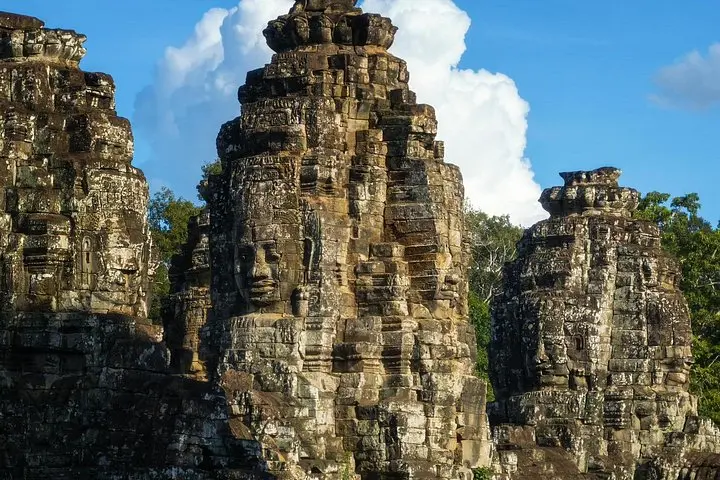
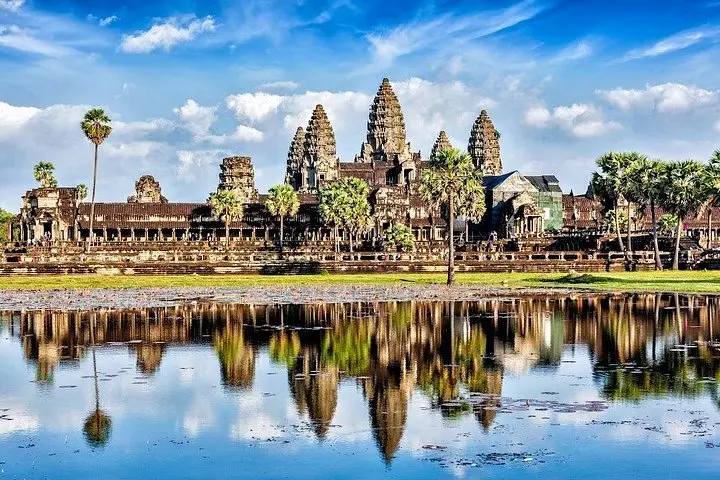
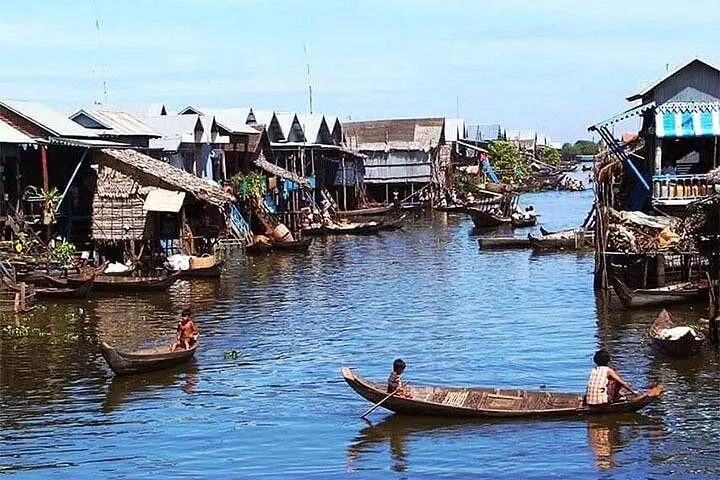
Morning light slices across sandstone galleries as you step from the air‑conditioned van into the vast geometry of Angkor Wat. Columns throw long shadows; bas‑reliefs seem to keep moving as your guide traces stories carved eight centuries ago. Later, the river widens into Tonlé Sap, where stilted houses and floating schools bob with the lake’s mood—the water itself an active partner in local life.
Verified experiences and guided adventures in the surrounding area.
Operated by Angkor Thom Siem Reap Tour · Siem Reap, Siem Reap Province
Morning light slices across sandstone galleries as you step from the air‑conditioned van into the vast geometry of Angkor Wat. Columns throw long shadows; bas‑reliefs seem to keep moving as your guide traces stories carved eight centuries ago. Later, the river widens into Tonlé Sap, where stilted houses and floating schools bob with the lake’s mood—the water itself an active partner in local life.
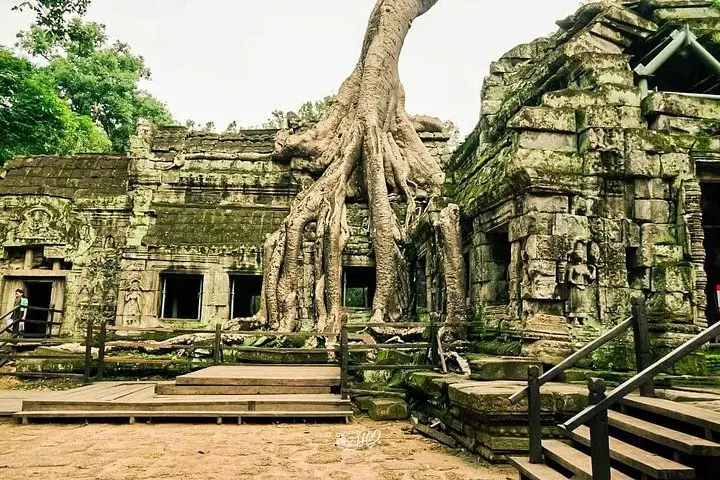
Angkor Wat and Angkor Thom date to the Khmer empire (9th–13th centuries), their design informed by cosmology and seasonal floods. Geologically the region sits on a lowland floodplain; Tonlé Sap is Southeast Asia’s largest freshwater lake by seasonal expansion and a critical fisheries resource. Culturally, temple rituals and lake rhythms continue to shape daily patterns—monks, market boats, and fishermen all moving on a shared schedule.
Practical guidance: plan an early start to avoid midday heat and crowds; buy your Angkor pass at the ticket office before entering. Dress respectfully—shoulders and knees covered—and bring cash for boat fees and tips. On the lake, choose guided boat options; in the rainy season you may enter flooded forests by canoe, while the dry season reveals exposed banks and different wildlife.
Expect light walking across uneven stone, brief climbs, and extended periods standing; comfortable, sturdy shoes and sun protection matter more than technical gear. Hydrate aggressively in the heat, and allot time for a simple lunch in town. This private day combines architectural immersion with an up‑close view of Cambodia’s living landscape—where monuments and water continually shape each other.
Yes—your guide will stop at the Angkor ticket office at the start; bring passport and cash to purchase the required pass.
The rainy season (roughly May–October) raises water levels, allowing boat access into flooded forests and stilt villages; dry season exposes banks and changes boat routes.
Boats are commonly used and operators often provide life vests; infants typically must sit on laps—confirm availability of infant seats when booking.
Expect moderate walking over uneven, sometimes steep stone surfaces and short stair sections; pace is flexible on a private tour to accommodate fitness levels.
Angkor Thom Siem Reap Tour operates guided outdoor trips and adventures with an emphasis on safety, stewardship, and memorable experiences.
Morning light slices across sandstone galleries as you step from the air‑conditioned van into the vast geometry of Angkor Wat. Columns throw long shadows; bas‑reliefs seem to keep moving as your guide traces stories carved eight centuries ago. Later, the river widens into Tonlé Sap, where stilted houses and floating schools bob with the lake’s mood—the water itself an active partner in local life.
Morning light slices across sandstone galleries as you step from the air‑conditioned van into the vast geometry of Angkor Wat. Columns throw long shadows; bas‑reliefs seem to keep moving as your guide traces stories carved eight centuries ago. Later, the river widens into Tonlé Sap, where stilted houses and floating schools bob with the lake’s mood—the water itself an active partner in local life.
Angkor Wat and Angkor Thom date to the Khmer empire (9th–13th centuries), their design informed by cosmology and seasonal floods. Geologically the region sits on a lowland floodplain; Tonlé Sap is Southeast Asia’s largest freshwater lake by seasonal expansion and a critical fisheries resource. Culturally, temple rituals and lake rhythms continue to shape daily patterns—monks, market boats, and fishermen all moving on a shared schedule.
Practical guidance: plan an early start to avoid midday heat and crowds; buy your Angkor pass at the ticket office before entering. Dress respectfully—shoulders and knees covered—and bring cash for boat fees and tips. On the lake, choose guided boat options; in the rainy season you may enter flooded forests by canoe, while the dry season reveals exposed banks and different wildlife.
Expect light walking across uneven stone, brief climbs, and extended periods standing; comfortable, sturdy shoes and sun protection matter more than technical gear. Hydrate aggressively in the heat, and allot time for a simple lunch in town. This private day combines architectural immersion with an up‑close view of Cambodia’s living landscape—where monuments and water continually shape each other.