THE ADVENTURE COLLECTIVE® · Independent discovery and booking for outdoor travel
Explore Anglesey’s living history on a full-day guided tour of early churches, Neolithic chambers, and coastal viewpoints. Expect short walks, local stories, and a mix of rugged coast and quiet churchyards.
Explore Anglesey’s living history on a full-day guided tour of early churches, Neolithic chambers, and coastal viewpoints. Expect short walks, local stories, and a mix of rugged coast and quiet churchyards.
You step off the minivan onto salt-scented air, the Menai Strait murmuring like a boundary between worlds. Low stone churches squat on grassy mounds; gulls wheel over golden sand arcs and a Celtic cross holds steady above a windswept headland. The guide folds stories into the landscape—saints, princes, and the stones that remember them.
Verified experiences and guided adventures in the surrounding area.
Operated by HOLYHEAD ISLAND ANGLESEY _ GO EXPLORE (HIA-GE) · Beaumaris, Wales
You step off the minivan onto salt-scented air, the Menai Strait murmuring like a boundary between worlds. Low stone churches squat on grassy mounds; gulls wheel over golden sand arcs and a Celtic cross holds steady above a windswept headland. The guide folds stories into the landscape—saints, princes, and the stones that remember them.
Anglesey (Ynys Môn) is geologically ancient limestone and glacial deposits that shape its headlands and sheltered bays. Its record of Christianity runs from 6th-century foundations to medieval parish churches and later Nonconformist chapels—each building layered with local politics, maritime trade, and agricultural life. Scattered Neolithic burial chambers and standing stones predate the churches, and many alignments nod to solar events like the summer solstice.
Culturally, the island wears its Welsh language and traditions openly; place names and inscriptions often remain Welsh, and local pubs and cafes serve straightforward, hearty food ideal for a long day of exploration.
Practical guidance: expect a full 7–8 hour day that mixes short walks with seated travel. Footwear should handle mud and uneven churchyard paths; coastal gusts demand a windproof layer. Bring water, modest clothing for church interiors, and a charged phone for photos—some sites have limited facilities. Pickup and drop-off depend on your booking point; confirm times and mobility needs in advance. Plan lunch in Beaumaris or a village café to taste local fare and refuel before the afternoon’s quieter, ancient sites.
The tour runs about 7–8 hours and includes private transportation, guided visits to several historic churches, a Neolithic chamber, coastal viewpoints, and time for lunch in Beaumaris or a village café.
No sustained climbs—most stops feature short, level to mildly uneven walks from the vehicle to the sites, though some churchyards and coastal paths can be rocky or muddy.
Yes; the tour is described as suitable for all fitness levels. Children must sit in normal belted seats; no child seats are provided—check pickup arrangements if needed.
Admission is generally not applicable for the listed sites, but individual venue donations or small fees may apply; confirm with the operator ahead of time if you need details.
HOLYHEAD ISLAND ANGLESEY _ GO EXPLORE (HIA-GE) operates guided outdoor trips and adventures with an emphasis on safety, stewardship, and memorable experiences.
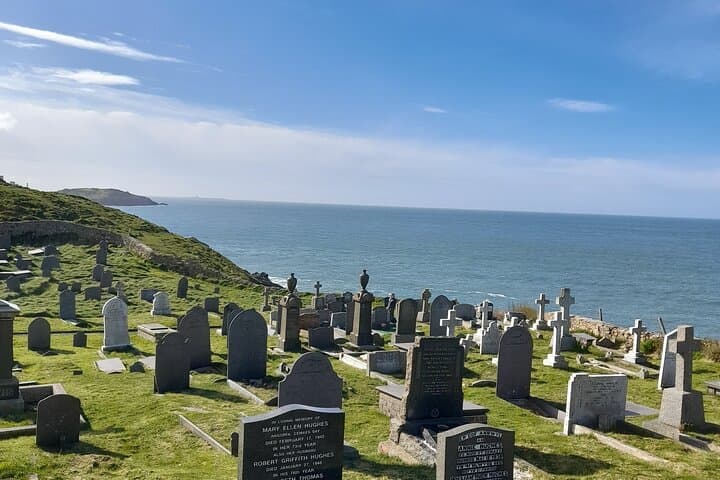
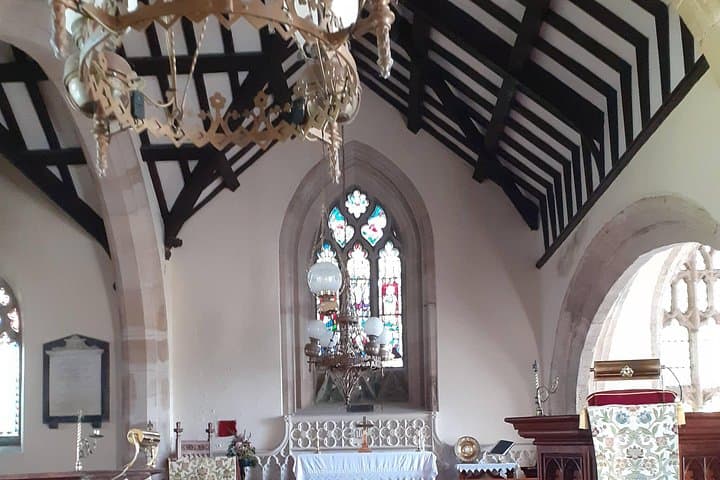
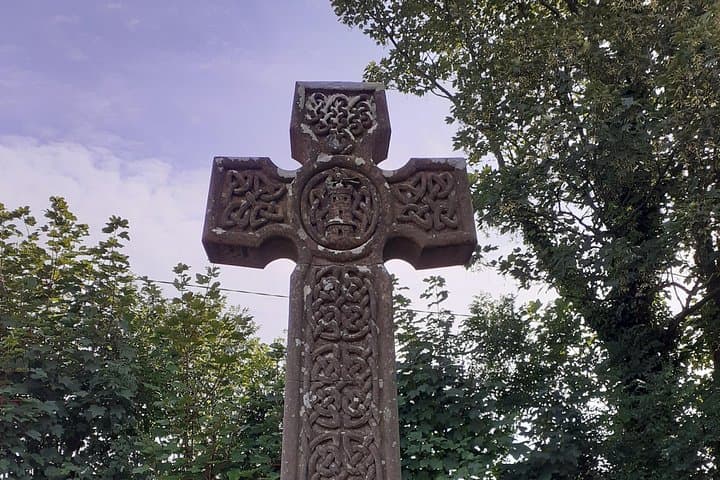
You step off the minivan onto salt-scented air, the Menai Strait murmuring like a boundary between worlds. Low stone churches squat on grassy mounds; gulls wheel over golden sand arcs and a Celtic cross holds steady above a windswept headland. The guide folds stories into the landscape—saints, princes, and the stones that remember them.
You step off the minivan onto salt-scented air, the Menai Strait murmuring like a boundary between worlds. Low stone churches squat on grassy mounds; gulls wheel over golden sand arcs and a Celtic cross holds steady above a windswept headland. The guide folds stories into the landscape—saints, princes, and the stones that remember them.
Anglesey (Ynys Môn) is geologically ancient limestone and glacial deposits that shape its headlands and sheltered bays. Its record of Christianity runs from 6th-century foundations to medieval parish churches and later Nonconformist chapels—each building layered with local politics, maritime trade, and agricultural life. Scattered Neolithic burial chambers and standing stones predate the churches, and many alignments nod to solar events like the summer solstice.
Culturally, the island wears its Welsh language and traditions openly; place names and inscriptions often remain Welsh, and local pubs and cafes serve straightforward, hearty food ideal for a long day of exploration.
Practical guidance: expect a full 7–8 hour day that mixes short walks with seated travel. Footwear should handle mud and uneven churchyard paths; coastal gusts demand a windproof layer. Bring water, modest clothing for church interiors, and a charged phone for photos—some sites have limited facilities. Pickup and drop-off depend on your booking point; confirm times and mobility needs in advance. Plan lunch in Beaumaris or a village café to taste local fare and refuel before the afternoon’s quieter, ancient sites.
