THE ADVENTURE COLLECTIVE® · Independent discovery and booking for outdoor travel

Trace the events of 22 January 1879 across the open plains of KwaZulu-Natal on a guided tour of Isandlwana and Rorke’s Drift. Expect long drives, measured storytelling, and sobering memorials on compact, mostly flat walks.
Trace the events of 22 January 1879 across the open plains of KwaZulu-Natal on a guided tour of Isandlwana and Rorke’s Drift. Expect long drives, measured storytelling, and sobering memorials on compact, mostly flat walks.
You arrive on a broad KwaZulu-Natal plain where grassland, koppies and a slow river set the stage for one of the 19th century’s most dramatic encounters. Wind moves through the grasses as if replaying the day; the hill at Isandlwana looms like a hand-shaped ridge that once directed the fate of thousands.
Verified experiences and guided adventures in the surrounding area.
Operated by Tim Brown Tours · Isandlwana, KwaZulu-Natal
You arrive on a broad KwaZulu-Natal plain where grassland, koppies and a slow river set the stage for one of the 19th century’s most dramatic encounters. Wind moves through the grasses as if replaying the day; the hill at Isandlwana looms like a hand-shaped ridge that once directed the fate of thousands.
These sites mark two linked moments on 22 January 1879: Isandlwana, where Zulu impi overwhelmed a British column, and the smaller, ferocious defence at Rorke’s Drift where a handful of soldiers held a mission station. Geologically the ground is low-rolling Karoo-derived grassland and sandstone outcrops; culturally the area sits within Zulu country, and the battles are part of a fraught colonial history that reshaped the region.
Walking the memorials, visitors will pass graves, plaques and a monument at Isandlwana. Guides reconstruct troop positions and tactics with measured detail; the landscape itself, from the shallow streams to the scrub, explains why movements happened as they did. Nature here has a blunt voice—rivers push, wind reveals, sun exposes—so plan for the elements.
Practically: expect long road transfers between sites and short, mostly flat walking tours on uneven ground. Wear sturdy shoes, bring sun protection, and carry water beyond what’s provided. Photography is powerful but be respectful at graves and interpretive sites. The best light for photos and reflection is morning or late afternoon. This is a day of history and terrain combined—direct, sobering and deeply informative for anyone interested in military history, South African culture and landscapes that still hold echoes of the past.
The full-day tour runs about 12–14 hours with several hours of driving between Durban and the battlefields and between sites; expect most of the time to be spent in transit and guided interpretation.
No—walks are relatively short and mostly on flat or gently undulating ground, but surfaces can be uneven so comfortable shoes are recommended.
Entrance and guide access are typically included in the tour price; confirm with the operator for any local museum fees or optional extras.
Children are welcome but must be accompanied by an adult; the tour is not recommended for people with serious mobility or heart conditions due to long travel and some uneven walking.
Tim Brown Tours operates guided outdoor trips and adventures with an emphasis on safety, stewardship, and memorable experiences.
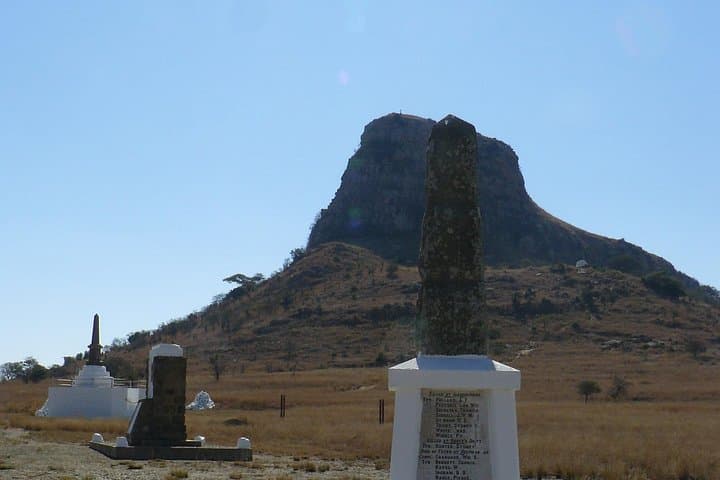
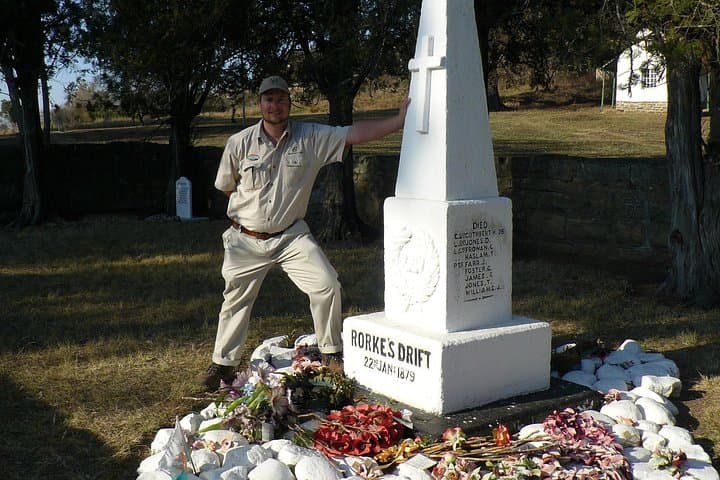


You arrive on a broad KwaZulu-Natal plain where grassland, koppies and a slow river set the stage for one of the 19th century’s most dramatic encounters. Wind moves through the grasses as if replaying the day; the hill at Isandlwana looms like a hand-shaped ridge that once directed the fate of thousands.
You arrive on a broad KwaZulu-Natal plain where grassland, koppies and a slow river set the stage for one of the 19th century’s most dramatic encounters. Wind moves through the grasses as if replaying the day; the hill at Isandlwana looms like a hand-shaped ridge that once directed the fate of thousands.
These sites mark two linked moments on 22 January 1879: Isandlwana, where Zulu impi overwhelmed a British column, and the smaller, ferocious defence at Rorke’s Drift where a handful of soldiers held a mission station. Geologically the ground is low-rolling Karoo-derived grassland and sandstone outcrops; culturally the area sits within Zulu country, and the battles are part of a fraught colonial history that reshaped the region.
Walking the memorials, visitors will pass graves, plaques and a monument at Isandlwana. Guides reconstruct troop positions and tactics with measured detail; the landscape itself, from the shallow streams to the scrub, explains why movements happened as they did. Nature here has a blunt voice—rivers push, wind reveals, sun exposes—so plan for the elements.
Practically: expect long road transfers between sites and short, mostly flat walking tours on uneven ground. Wear sturdy shoes, bring sun protection, and carry water beyond what’s provided. Photography is powerful but be respectful at graves and interpretive sites. The best light for photos and reflection is morning or late afternoon. This is a day of history and terrain combined—direct, sobering and deeply informative for anyone interested in military history, South African culture and landscapes that still hold echoes of the past.