THE ADVENTURE COLLECTIVE® · Independent discovery and booking for outdoor travel

Walk Angra do Heroísmo’s cobbled squares, visit its cathedral and palace, and climb to Pico da Memória for harbor panoramas. This 2–3 hour tour blends maritime history, volcanic geology and local culture with an easy, camera-friendly pace.
Walk Angra do Heroísmo’s cobbled squares, visit its cathedral and palace, and climb to Pico da Memória for harbor panoramas. This 2–3 hour tour blends maritime history, volcanic geology and local culture with an easy, camera-friendly pace.
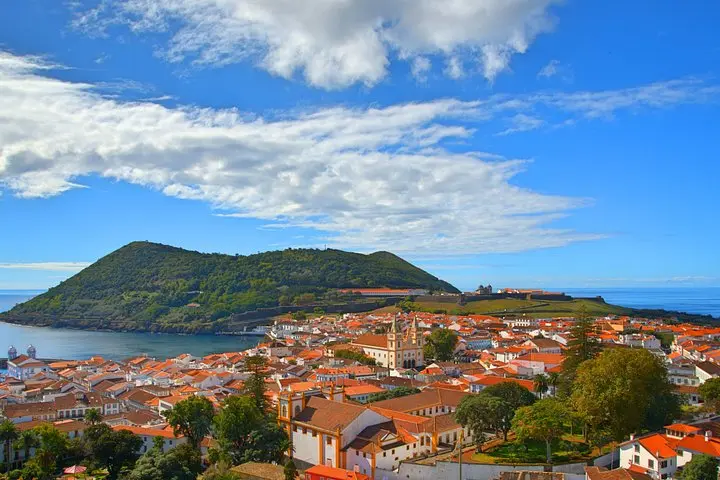
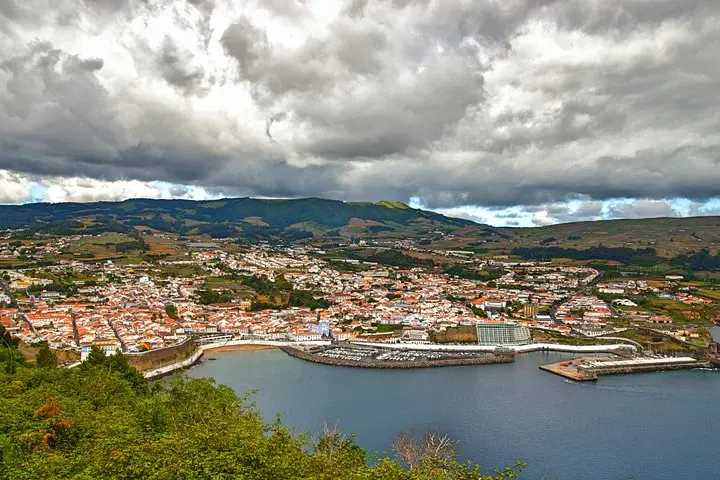
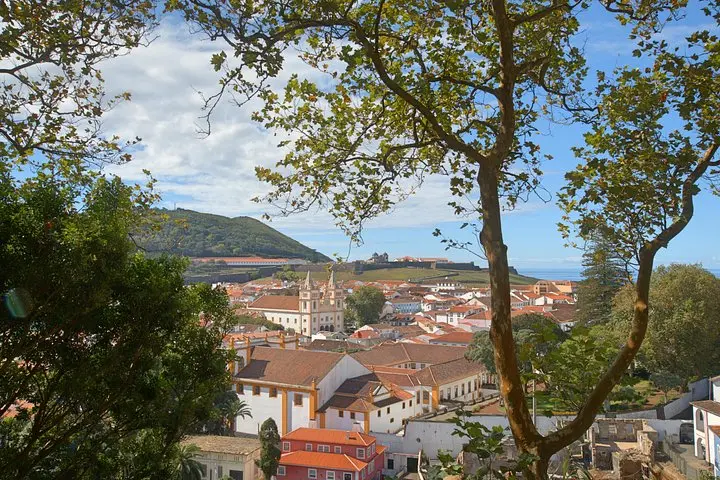
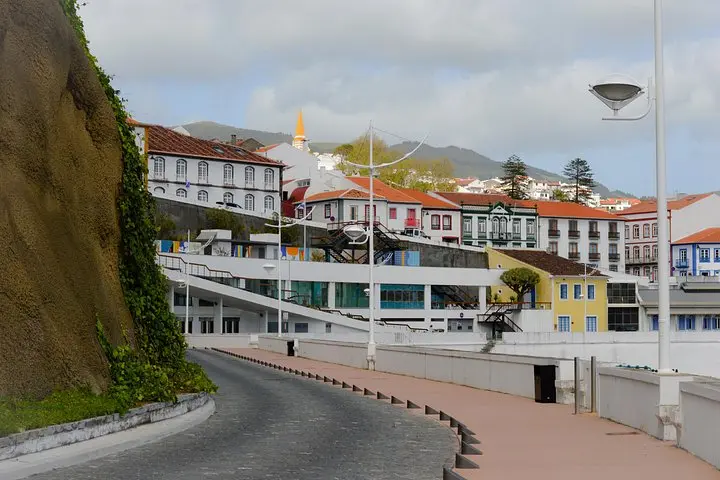
You step off a narrow, cobbled lane and the Atlantic wind immediately rearranges your plans: carry a jacket, keep your camera ready. The half-day walking tour of Angra do Heroísmo folds the city into two hours of moving scenes—plazas worn smooth by centuries, a garden that breathes quiet between stone facades, and the climb up to Pico da Memória where the town sits like a map against the sea.
Verified experiences and guided adventures in the surrounding area.
Operated by Angratravel Tours · Angra do Heroísmo, Azores
You step off a narrow, cobbled lane and the Atlantic wind immediately rearranges your plans: carry a jacket, keep your camera ready. The half-day walking tour of Angra do Heroísmo folds the city into two hours of moving scenes—plazas worn smooth by centuries, a garden that breathes quiet between stone facades, and the climb up to Pico da Memória where the town sits like a map against the sea.
Angra’s streets tell maritime history: a strategic port for Atlantic crossings, targeted in past conflicts and rebuilt after seismic shocks. The island’s volcanic origin is visible in the basalt foundations underfoot and the rounded silhouette of Monte Brasil across the harbor. Cultural touches arrive in small doses—an open library façade, a theatre propped above the square, and embroidery shops that keep local craft alive.
Expect mostly paved walking with a short uphill leg to Pico da Memória (roughly 30–45 minutes, ~100–150 m elevation gain); total distance around 3 km depending on route. Points of interest include the Cathedral (Sé), Praça Velha, Palácio dos Capitães Generais and Jardim Duque da Terceira. Guides typically pause for photo views and historical context rather than long museum stops.
Practically: wear grippy shoes for cobbles, bring a light rain shell (Azorean weather shifts fast), carry water and local coins for small purchases. The pace is friendly for most walkers; allow 2–3 hours and a little extra time if you linger at viewpoints or shops.
Meeting point is typically central in Angra’s historic district—your confirmation will list the exact plaza or guide contact; the tour loops through town and returns near the start.
The tour is described as stroller-accessible in parts, but cobbles and steps can limit easy stroller use; families with infants should be prepared to carry light strollers over short steps.
Some stops include outside viewing only; the itinerary lists the Cathedral as a stop where admission may be included—check your booking details for specifics.
Full refunds are available if you cancel at least 24 hours before departure; tours may be canceled for bad weather or insufficient travelers.
Angratravel Tours operates guided outdoor trips and adventures with an emphasis on safety, stewardship, and memorable experiences.
You step off a narrow, cobbled lane and the Atlantic wind immediately rearranges your plans: carry a jacket, keep your camera ready. The half-day walking tour of Angra do Heroísmo folds the city into two hours of moving scenes—plazas worn smooth by centuries, a garden that breathes quiet between stone facades, and the climb up to Pico da Memória where the town sits like a map against the sea.
You step off a narrow, cobbled lane and the Atlantic wind immediately rearranges your plans: carry a jacket, keep your camera ready. The half-day walking tour of Angra do Heroísmo folds the city into two hours of moving scenes—plazas worn smooth by centuries, a garden that breathes quiet between stone facades, and the climb up to Pico da Memória where the town sits like a map against the sea.
Angra’s streets tell maritime history: a strategic port for Atlantic crossings, targeted in past conflicts and rebuilt after seismic shocks. The island’s volcanic origin is visible in the basalt foundations underfoot and the rounded silhouette of Monte Brasil across the harbor. Cultural touches arrive in small doses—an open library façade, a theatre propped above the square, and embroidery shops that keep local craft alive.
Expect mostly paved walking with a short uphill leg to Pico da Memória (roughly 30–45 minutes, ~100–150 m elevation gain); total distance around 3 km depending on route. Points of interest include the Cathedral (Sé), Praça Velha, Palácio dos Capitães Generais and Jardim Duque da Terceira. Guides typically pause for photo views and historical context rather than long museum stops.
Practically: wear grippy shoes for cobbles, bring a light rain shell (Azorean weather shifts fast), carry water and local coins for small purchases. The pace is friendly for most walkers; allow 2–3 hours and a little extra time if you linger at viewpoints or shops.