THE ADVENTURE COLLECTIVE® · Independent discovery and booking for outdoor travel

A six-hour boat tour from Angra dos Reis threads through a UNESCO-recognized archipelago of granite islets, offering beach stops, snorkeling and a buffet island lunch. Learn what to expect on deck, in the water and ashore before you go.
A six-hour boat tour from Angra dos Reis threads through a UNESCO-recognized archipelago of granite islets, offering beach stops, snorkeling and a buffet island lunch. Learn what to expect on deck, in the water and ashore before you go.
You step off the minibus at the Angra dos Reis pier and the ocean immediately claims your attention: warm, glassy bays framed by dark granite islets and strips of white sand. Boats bob in a mosaic of turquoise; gulls wheel and the Atlantic Forest leans down to the water as if to listen.
Verified experiences and guided adventures in the surrounding area.
Operated by MM Tourguide · Angra dos Reis, Rio de Janeiro
You step off the minibus at the Angra dos Reis pier and the ocean immediately claims your attention: warm, glassy bays framed by dark granite islets and strips of white sand. Boats bob in a mosaic of turquoise; gulls wheel and the Atlantic Forest leans down to the water as if to listen.
The archipelago of Angra—roughly 365 islands—has long been a crossroads of indigenous peoples, Portuguese colonial fleets and modern holidaymakers. The islands are granite-born, scoured by sea and shaped into coves that hold clear water and rich reefs; UNESCO recognition highlights both natural and cultural values in this stretch of Rio de Janeiro state.
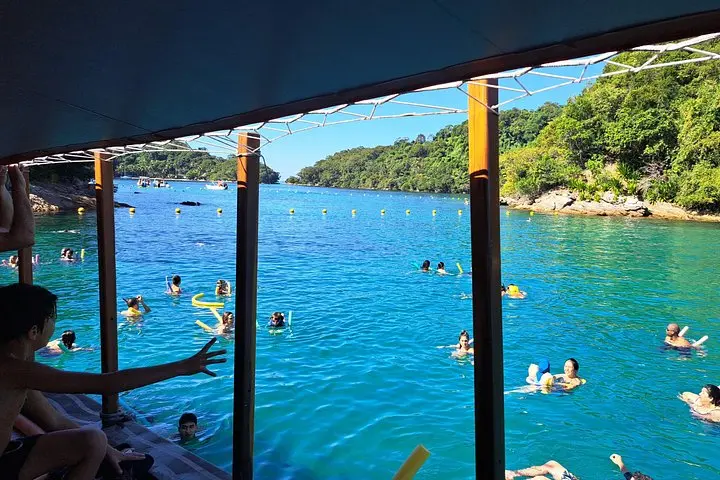
A typical six-hour excursion from Angra (with transfers from Rio) visits a handful of the most accessible isles, offering beach stops, snorkeling in calm bays and a buffet lunch at a restaurant on one island. Expect short walks on sand and wooden docks, boat transfers between sheltered anchorages and plenty of swim time. Local crews know the sheltered coves where visibility and currents are best.
Practical guidance: take reef-safe sunscreen, a snorkel set or rent one nearby, and a light windbreaker for the return ride. If you’re prone to seasickness, ginger or medication before boarding helps; boats can roll in open channels. Bring a small amount of cash for extras and an underwater camera if you want clear reef shots. Morning departures usually mean calmer seas and better light for photos.
The advertised excursion is about 6 hours on the water; transfers to/from Rio add 2–3 hours depending on pickup point and traffic.
Yes—an island restaurant buffet lunch is included with the tour price.
Yes—stops include calm bays suitable for swimming and snorkeling; bring or rent basic gear.
The tour includes air-conditioned vehicle transfers to and from your residence or central pickup points; confirm your pickup location when booking.
MM Tourguide operates guided outdoor trips and adventures with an emphasis on safety, stewardship, and memorable experiences.
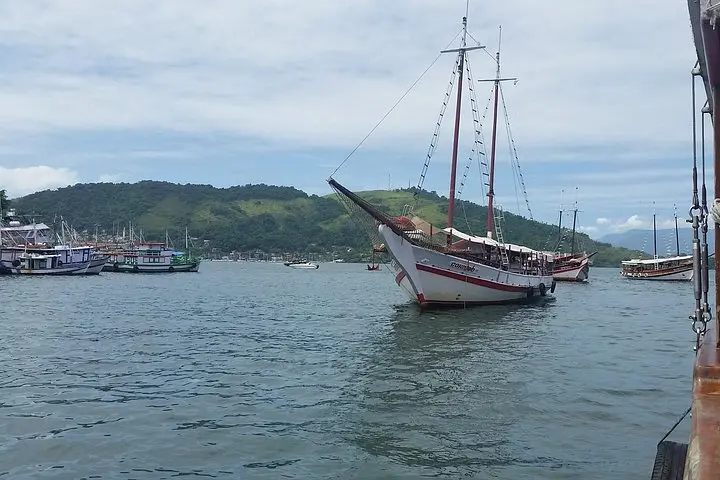
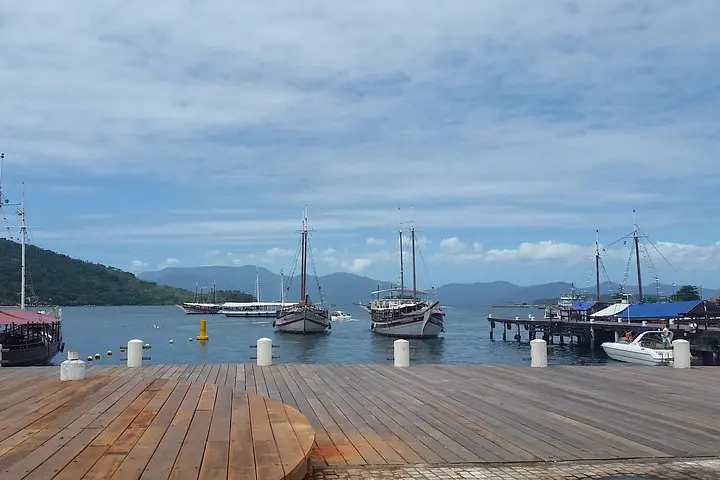
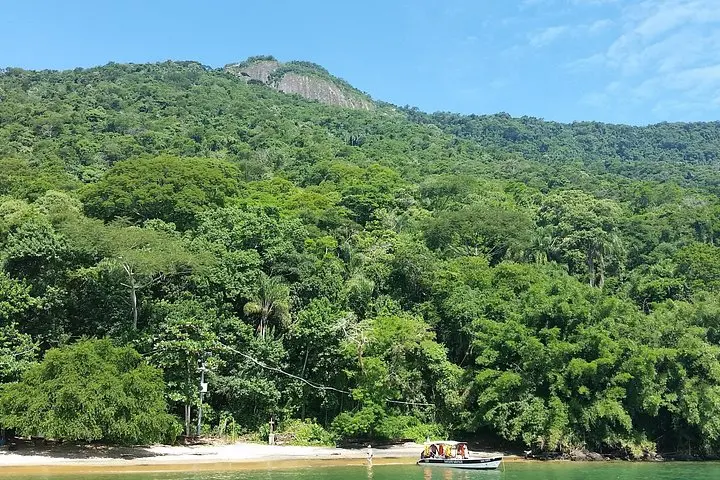
You step off the minibus at the Angra dos Reis pier and the ocean immediately claims your attention: warm, glassy bays framed by dark granite islets and strips of white sand. Boats bob in a mosaic of turquoise; gulls wheel and the Atlantic Forest leans down to the water as if to listen.
You step off the minibus at the Angra dos Reis pier and the ocean immediately claims your attention: warm, glassy bays framed by dark granite islets and strips of white sand. Boats bob in a mosaic of turquoise; gulls wheel and the Atlantic Forest leans down to the water as if to listen.
The archipelago of Angra—roughly 365 islands—has long been a crossroads of indigenous peoples, Portuguese colonial fleets and modern holidaymakers. The islands are granite-born, scoured by sea and shaped into coves that hold clear water and rich reefs; UNESCO recognition highlights both natural and cultural values in this stretch of Rio de Janeiro state.
A typical six-hour excursion from Angra (with transfers from Rio) visits a handful of the most accessible isles, offering beach stops, snorkeling in calm bays and a buffet lunch at a restaurant on one island. Expect short walks on sand and wooden docks, boat transfers between sheltered anchorages and plenty of swim time. Local crews know the sheltered coves where visibility and currents are best.
Practical guidance: take reef-safe sunscreen, a snorkel set or rent one nearby, and a light windbreaker for the return ride. If you’re prone to seasickness, ginger or medication before boarding helps; boats can roll in open channels. Bring a small amount of cash for extras and an underwater camera if you want clear reef shots. Morning departures usually mean calmer seas and better light for photos.