THE ADVENTURE COLLECTIVE® · Independent discovery and booking for outdoor travel

Visit the Ann van Dyk Cheetah Centre to watch cheetahs sprint, learn about breeding and research programs, and support on‑the‑ground conservation. This 4–5 hour guided visit blends up‑close viewing with practical insights into regional wildlife recovery.
Visit the Ann van Dyk Cheetah Centre to watch cheetahs sprint, learn about breeding and research programs, and support on‑the‑ground conservation. This 4–5 hour guided visit blends up‑close viewing with practical insights into regional wildlife recovery.
You step out of the air‑conditioned vehicle into a dry, grassy compound where the cheetahs track the horizon like athletes waiting to sprint. The air smells faintly of dust and hay; somewhere beyond the enclosures a vulture rises and wheel‑calls, daring you to look up.
Verified experiences and guided adventures in the surrounding area.
Operated by Stephenson Adventures · De Wildt, North West
You step out of the air‑conditioned vehicle into a dry, grassy compound where the cheetahs track the horizon like athletes waiting to sprint. The air smells faintly of dust and hay; somewhere beyond the enclosures a vulture rises and wheel‑calls, daring you to look up.
Founded by conservationist Ann van Dyk and long known as De Wildt, the centre is a practical, research‑driven refuge for cheetah, king cheetah, African wild dog, caracal and resident vultures. The land sits on rolling veld that grades into the Magaliesberg foothills—rocky outcrops and short grass that once supported pastoral homesteads now host fencing, viewing platforms and research facilities.
Culturally, the site bridges community outreach and wildlife science: guided tours emphasize breeding programs, telemetry research and local education efforts, and you’ll hear how regional land use and livestock conflict shape recovery work.
Expect 4–5 hours on site: guided interpretive walks, enclosure viewing, and (on select departures) an organized cheetah run demonstration that showcases their acceleration along a drag lure. Staff explain genetics, relocation ethics and how adoptions fund care.
Practical guidance: wear sturdy walking shoes and sun protection, bring a camera with a mid‑range zoom, and be ready for uneven footing around pens. Bottled water and light snacks are typically included, and shuttle pickup from Johannesburg or Pretoria is common.
This is a hands‑on conservation visit—less safari theatre, more education and advocacy—ideal for travelers who want to see speed in motion and understand the long, pragmatic work of saving a species.
Tours and transfers run about 4–5 hours including guided interpretation, enclosure visits and the cheetah run when scheduled.
No—interaction policies vary but the centre emphasizes animal welfare and viewing is from designated platforms; handling is reserved for trained staff.
Yes—many tours include hotel pickup and drop‑off from central Johannesburg or Pretoria; confirm your pickup point at booking.
Yes—families are welcome, but children must be supervised and follow safety rules; some exhibits may be restricted for safety.
Stephenson Adventures operates guided outdoor trips and adventures with an emphasis on safety, stewardship, and memorable experiences.
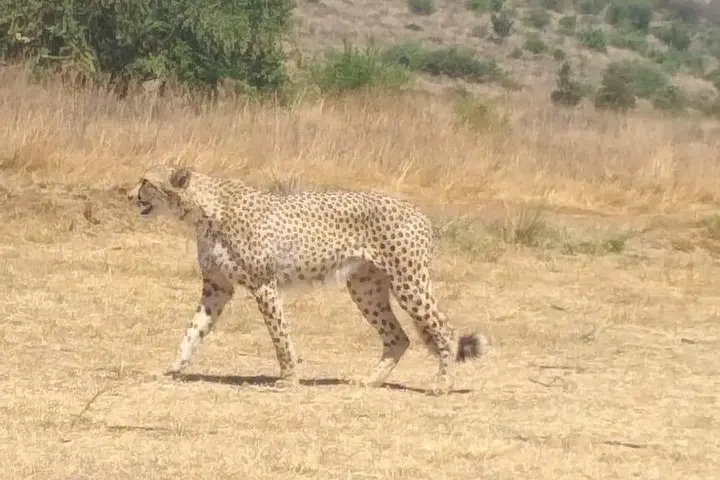
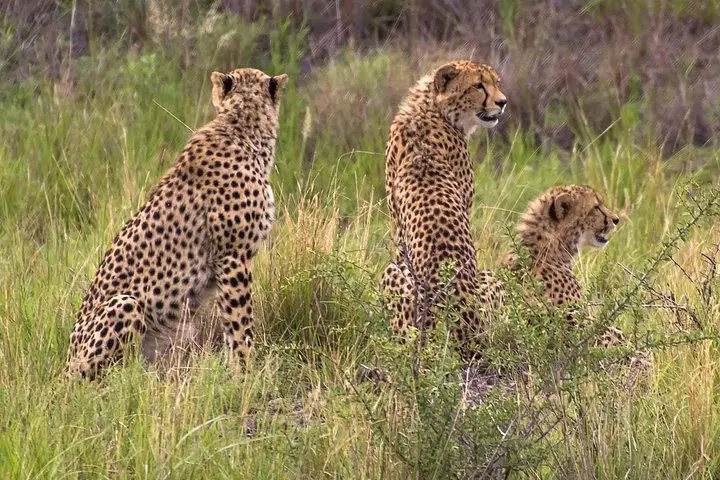
You step out of the air‑conditioned vehicle into a dry, grassy compound where the cheetahs track the horizon like athletes waiting to sprint. The air smells faintly of dust and hay; somewhere beyond the enclosures a vulture rises and wheel‑calls, daring you to look up.
You step out of the air‑conditioned vehicle into a dry, grassy compound where the cheetahs track the horizon like athletes waiting to sprint. The air smells faintly of dust and hay; somewhere beyond the enclosures a vulture rises and wheel‑calls, daring you to look up.
Founded by conservationist Ann van Dyk and long known as De Wildt, the centre is a practical, research‑driven refuge for cheetah, king cheetah, African wild dog, caracal and resident vultures. The land sits on rolling veld that grades into the Magaliesberg foothills—rocky outcrops and short grass that once supported pastoral homesteads now host fencing, viewing platforms and research facilities.
Culturally, the site bridges community outreach and wildlife science: guided tours emphasize breeding programs, telemetry research and local education efforts, and you’ll hear how regional land use and livestock conflict shape recovery work.
Expect 4–5 hours on site: guided interpretive walks, enclosure viewing, and (on select departures) an organized cheetah run demonstration that showcases their acceleration along a drag lure. Staff explain genetics, relocation ethics and how adoptions fund care.
Practical guidance: wear sturdy walking shoes and sun protection, bring a camera with a mid‑range zoom, and be ready for uneven footing around pens. Bottled water and light snacks are typically included, and shuttle pickup from Johannesburg or Pretoria is common.
This is a hands‑on conservation visit—less safari theatre, more education and advocacy—ideal for travelers who want to see speed in motion and understand the long, pragmatic work of saving a species.