THE ADVENTURE COLLECTIVE® · Independent discovery and booking for outdoor travel

Watch cheetahs sprint in timed runs and join an informed, accessible guided tour at the Ann van Dyk Cheetah Centre near Brits. Learn the centre's conservation history, see other predators, and get practical tips for making the most of a visit.
Watch cheetahs sprint in timed runs and join an informed, accessible guided tour at the Ann van Dyk Cheetah Centre near Brits. Learn the centre's conservation history, see other predators, and get practical tips for making the most of a visit.
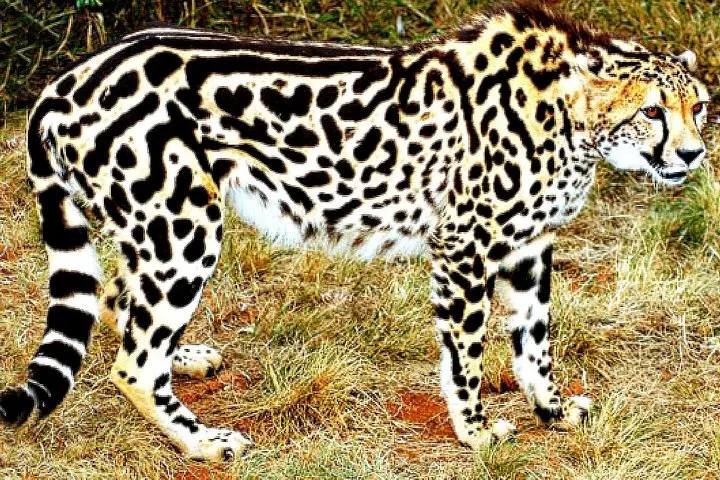
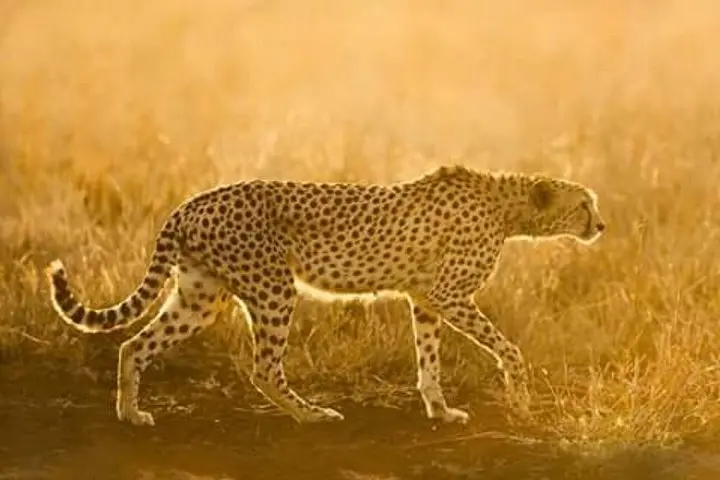
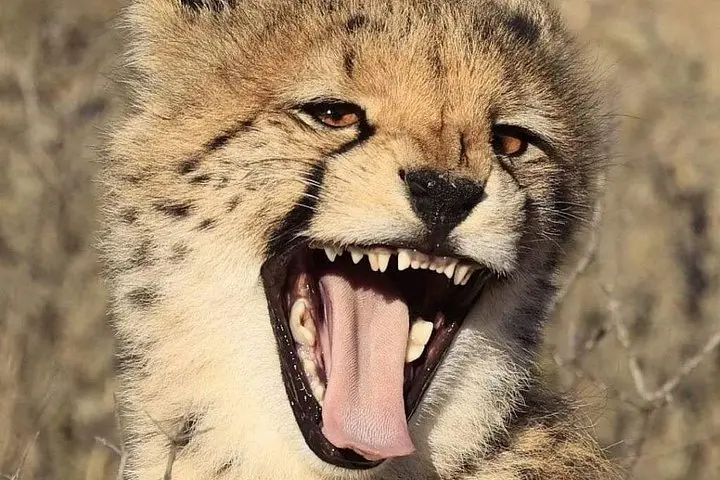
Dawn at the Ann van Dyk Cheetah Centre arrives like a held breath — low, dry grass whispering as handlers open the gates and the cheetahs stretch, muscles coiling with a curious impatience. You stand near a sun-warmed fence, binoculars up, as the animals pace and the keepers read body language like conversation; when the run starts, the cats explode forward, a clean, terrifying speed that reminds you why conservation matters.
Verified experiences and guided adventures in the surrounding area.
Operated by Swangs Safaris · Brits, North West
Dawn at the Ann van Dyk Cheetah Centre arrives like a held breath — low, dry grass whispering as handlers open the gates and the cheetahs stretch, muscles coiling with a curious impatience. You stand near a sun-warmed fence, binoculars up, as the animals pace and the keepers read body language like conversation; when the run starts, the cats explode forward, a clean, terrifying speed that reminds you why conservation matters.
The centre was founded by Ann van Dyk in 1971 and became the first facility to breed cheetahs reliably in captivity, a program credited with shifting cheetahs off South Africa’s endangered list in the 1980s. The reserve sits in the North West Province’s rolling veld, where granite kopjes and riverine pockets shape a landscape used by both farmers and predators for generations.
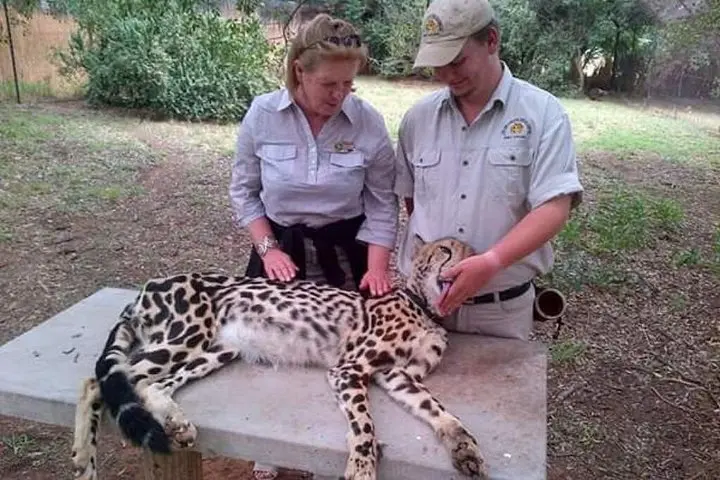
Tours mix focused animal encounters with contextual interpretation — you’ll learn about local vulture rehabilitation, caracal sightings, and how captive breeding fits into wider release and research programs. Expect clear, factual briefings about each species and hands-off viewing rules: no feeding, no unauthorized touching, and follow the guide’s directions at all times.
Practicalities: morning experiences include a cheetah run plus a guided walk (check availability — runs are scheduled on select mornings), with shorter afternoon tours also offered. The site is wheelchair-accessible and family-friendly; bottled water and transport amenities are listed inclusions. Bring sun protection, a light jacket for early starts, and binoculars to pick out smaller carnivores and scavengers. Plan to arrive early, keep noise to a minimum, and leave with a clearer sense of how applied conservation and local stewardship keep these predators in the landscape.
Cheetah runs are scheduled on select mornings (check the centre’s timetable); morning sessions often include a run plus a guided tour, while afternoon tours are shorter and may not include a run.
Yes — the site and transportation options list wheelchair accessibility; contact the operator ahead of time to confirm specific assistance or vehicle pickup.
Photography is allowed for personal use, but tripods or flash may be restricted; always follow the guide’s instructions to avoid disturbing the animals.
Children are welcome; infant seats and stroller access are available, but small children should stay close to adults and follow safety briefings.
Swangs Safaris operates guided outdoor trips and adventures with an emphasis on safety, stewardship, and memorable experiences.
Dawn at the Ann van Dyk Cheetah Centre arrives like a held breath — low, dry grass whispering as handlers open the gates and the cheetahs stretch, muscles coiling with a curious impatience. You stand near a sun-warmed fence, binoculars up, as the animals pace and the keepers read body language like conversation; when the run starts, the cats explode forward, a clean, terrifying speed that reminds you why conservation matters.
Dawn at the Ann van Dyk Cheetah Centre arrives like a held breath — low, dry grass whispering as handlers open the gates and the cheetahs stretch, muscles coiling with a curious impatience. You stand near a sun-warmed fence, binoculars up, as the animals pace and the keepers read body language like conversation; when the run starts, the cats explode forward, a clean, terrifying speed that reminds you why conservation matters.
The centre was founded by Ann van Dyk in 1971 and became the first facility to breed cheetahs reliably in captivity, a program credited with shifting cheetahs off South Africa’s endangered list in the 1980s. The reserve sits in the North West Province’s rolling veld, where granite kopjes and riverine pockets shape a landscape used by both farmers and predators for generations.
Tours mix focused animal encounters with contextual interpretation — you’ll learn about local vulture rehabilitation, caracal sightings, and how captive breeding fits into wider release and research programs. Expect clear, factual briefings about each species and hands-off viewing rules: no feeding, no unauthorized touching, and follow the guide’s directions at all times.
Practicalities: morning experiences include a cheetah run plus a guided walk (check availability — runs are scheduled on select mornings), with shorter afternoon tours also offered. The site is wheelchair-accessible and family-friendly; bottled water and transport amenities are listed inclusions. Bring sun protection, a light jacket for early starts, and binoculars to pick out smaller carnivores and scavengers. Plan to arrive early, keep noise to a minimum, and leave with a clearer sense of how applied conservation and local stewardship keep these predators in the landscape.