THE ADVENTURE COLLECTIVE® · Independent discovery and booking for outdoor travel

A high-altitude, 24-day guided traverse through seven major passes of the Annapurna region. Expect steep ascents, scree fields and village teahouses with strong cultural and geological variety along the way.
A high-altitude, 24-day guided traverse through seven major passes of the Annapurna region. Expect steep ascents, scree fields and village teahouses with strong cultural and geological variety along the way.
Dawn cracks over the Annapurna ridgeline as a team tightens bootlaces and steps onto a trail carved into shale and moraine. On the Annapurna 7 Passes Private Guided Trek, trekkers move from pine forests and terraced fields into thin-air saddles where prayer flags snap like messages to the wind.
Verified experiences and guided adventures in the surrounding area.
Operated by Altitude Himalaya · Manang, Gandaki Province
Dawn cracks over the Annapurna ridgeline as a team tightens bootlaces and steps onto a trail carved into shale and moraine. On the Annapurna 7 Passes Private Guided Trek, trekkers move from pine forests and terraced fields into thin-air saddles where prayer flags snap like messages to the wind.
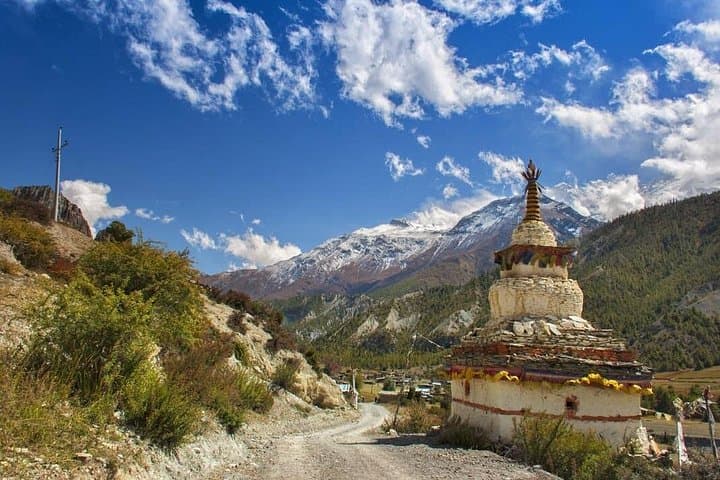
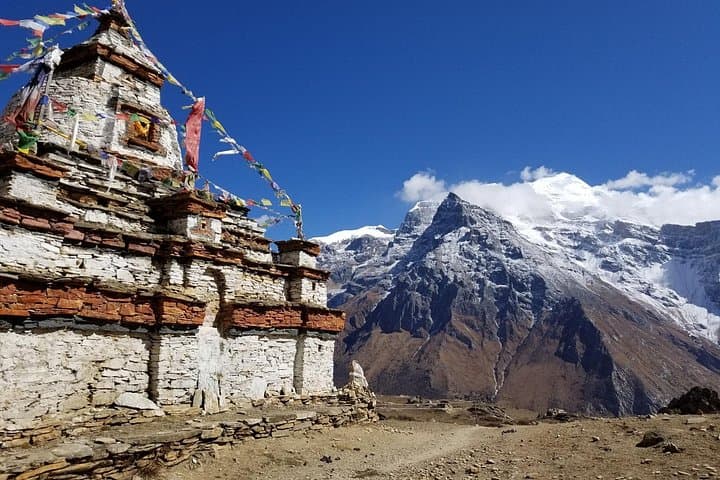
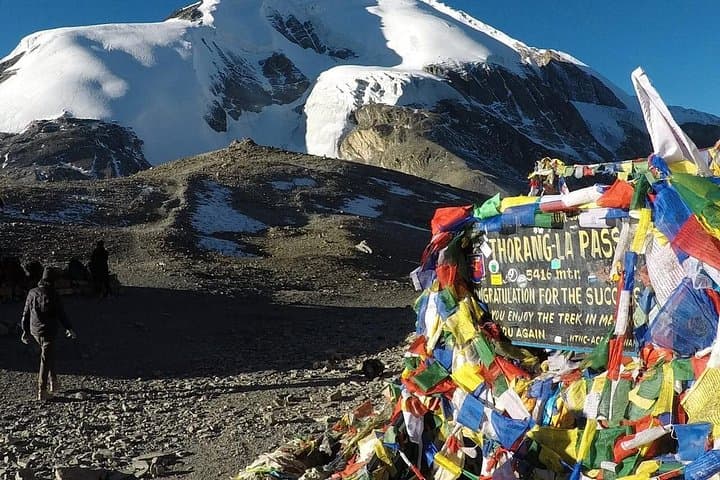
The route threads Marshyangdi and Jarsang valleys, skirts the restricted Nar-Phu approaches and finishes over Thorong La (5,416 m) into Mustang. The geology alternates folded limestone and greywacke at lower slopes, scree and glacial moraine at high passes. Along the way, Gurung and Tibetan-influenced villages—Ngawal, Manang, Phu and Nar—offer stone teahouses, mani walls and small gompas that reflect centuries of Himalayan trade and pilgrimage.
Expect lodge-to-lodge trekking with average daily distances of 10–20 km and elevation changes commonly 500–1,200 m; the itinerary runs 24 days with planned acclimatization in Manang/Ngawal. Guides manage ACAP, TIMS and the Nar-Phu restricted permit and can arrange porterage (porters typically carry 20 kg per two clients) and emergency helicopter evacuation if insurance covers it.
Practical guidance: start early on high-pass days (Thorong La is best before dawn), stagger pace to reduce AMS risk, and pack layered insulation for strong diurnal swings. Firm-ankled boots and two trekking poles make steep descents manageable; late-season snow may require microspikes. Train with long climbs and weighted day-hikes—this is a demanding high-altitude route where conservative planning and good hydration matter more than speed.
This trek requires ACAP, a TIMS card and the Nar-Phu restricted permit for sections in the Nar-Phu valley; guides typically arrange these before departure.
Thorong La is the highest at 5,416 m; the crossing is non-technical in normal conditions but involves steep scree and potential snow—microspikes can be helpful.
No—this itinerary is rated difficult and requires prior high-altitude trekking experience and excellent fitness; beginners should build experience on shorter high-altitude treks first.
Yes—operators can arrange emergency helicopter evacuation, but it is payable through your travel insurance, so verify coverage before departure.
Altitude Himalaya operates guided outdoor trips and adventures with an emphasis on safety, stewardship, and memorable experiences.
Dawn cracks over the Annapurna ridgeline as a team tightens bootlaces and steps onto a trail carved into shale and moraine. On the Annapurna 7 Passes Private Guided Trek, trekkers move from pine forests and terraced fields into thin-air saddles where prayer flags snap like messages to the wind.
Dawn cracks over the Annapurna ridgeline as a team tightens bootlaces and steps onto a trail carved into shale and moraine. On the Annapurna 7 Passes Private Guided Trek, trekkers move from pine forests and terraced fields into thin-air saddles where prayer flags snap like messages to the wind.
The route threads Marshyangdi and Jarsang valleys, skirts the restricted Nar-Phu approaches and finishes over Thorong La (5,416 m) into Mustang. The geology alternates folded limestone and greywacke at lower slopes, scree and glacial moraine at high passes. Along the way, Gurung and Tibetan-influenced villages—Ngawal, Manang, Phu and Nar—offer stone teahouses, mani walls and small gompas that reflect centuries of Himalayan trade and pilgrimage.
Expect lodge-to-lodge trekking with average daily distances of 10–20 km and elevation changes commonly 500–1,200 m; the itinerary runs 24 days with planned acclimatization in Manang/Ngawal. Guides manage ACAP, TIMS and the Nar-Phu restricted permit and can arrange porterage (porters typically carry 20 kg per two clients) and emergency helicopter evacuation if insurance covers it.
Practical guidance: start early on high-pass days (Thorong La is best before dawn), stagger pace to reduce AMS risk, and pack layered insulation for strong diurnal swings. Firm-ankled boots and two trekking poles make steep descents manageable; late-season snow may require microspikes. Train with long climbs and weighted day-hikes—this is a demanding high-altitude route where conservative planning and good hydration matter more than speed.