THE ADVENTURE COLLECTIVE® · Independent discovery and booking for outdoor travel

This 14-day trek links Kathmandu and Pokhara to the Annapurna Base Camp via Poon Hill, Gurung villages and Jhinu hot springs. Expect steep stone stairways, alpine meadows and panoramic Himalayan views with lodge-based nights along the route.
This 14-day trek links Kathmandu and Pokhara to the Annapurna Base Camp via Poon Hill, Gurung villages and Jhinu hot springs. Expect steep stone stairways, alpine meadows and panoramic Himalayan views with lodge-based nights along the route.
A cold dawn on Poon Hill splits the night; orange light rolls across serrated peaks as yaks and distant tractors settle into valleys below. By the time you lace boots in Ghorepani, the trail is already awake — a mix of stone steps, rhododendron-slabbed switchbacks and the soft hush of high forest.
Verified experiences and guided adventures in the surrounding area.
Operated by Nepal Treks and Tour · Pokhara, Gandaki Province
A cold dawn on Poon Hill splits the night; orange light rolls across serrated peaks as yaks and distant tractors settle into valleys below. By the time you lace boots in Ghorepani, the trail is already awake — a mix of stone steps, rhododendron-slabbed switchbacks and the soft hush of high forest.
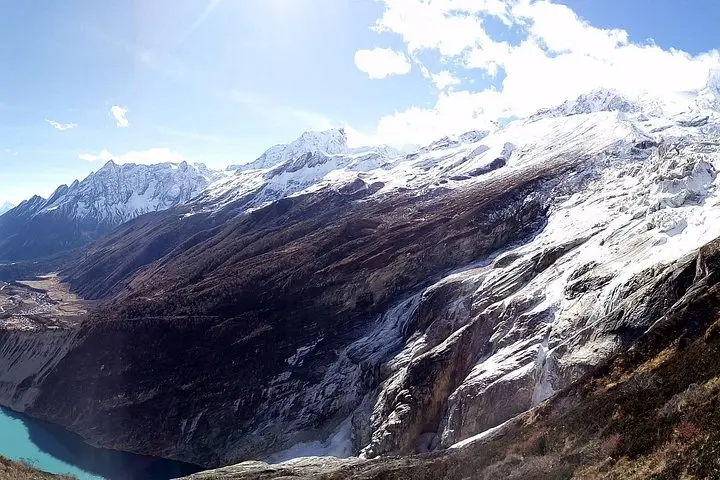
This 14-day itinerary threads classic Annapurna routes: Kathmandu’s UNESCO stupas and Durbar Square, the lakeside calm of Pokhara, then the rising theatre of the Modi Valley into Annapurna Base Camp (4,130 m). Geologically the region is a collision zone — folded metamorphic rock pushing the Greater Himalaya skyward — which creates steep sided valleys and visible moraine near the high camps. Culturally, the trek passes Gurung and Magar villages where terrace farming and seasonal migration remain part of daily life.
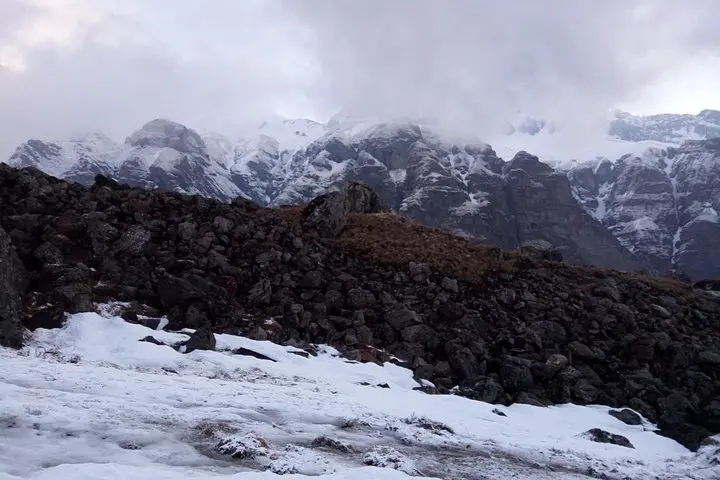
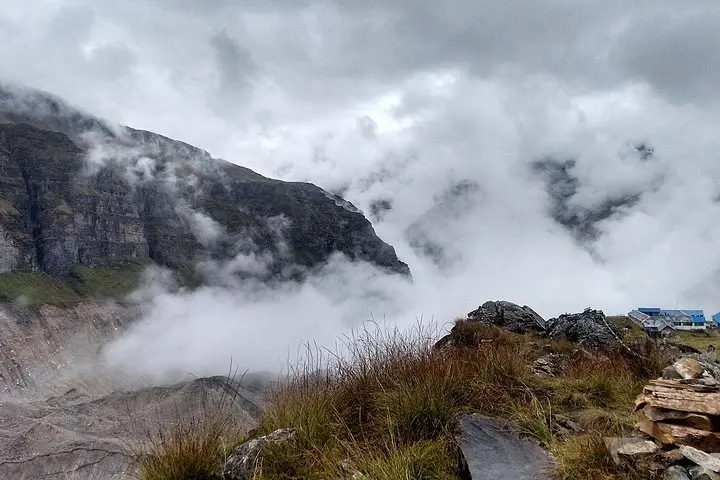
Expect lodge-to-lodge trekking on marked trails, long ascents (Ulleri’s stone stairs, Chhomrong drops) and alpine terrain as trees thin above 3,000 m. The reward is close: panoramic views of Annapurna I, Dhaulagiri and Machhapuchhre from ABC and Machhapuchhre Base Camp, plus a soak at Jhinu’s hot springs to soothe tired legs.
Practical: build altitude acclimatization into your plan, carry layered clothing for rapidly changing conditions, and budget time for slow ascents and weather delays. Hydrate, pace your ascent, and use sun protection — Himalayan UV is fierce. With steady fitness and sensible pacing, the 14-day loop is an achievable, unforgettable high-mountain experience.
You don't need technical mountaineering skills, but prior multi-day hiking experience and good cardiovascular fitness make the trek significantly more comfortable and safer.
Annapurna Base Camp reaches about 4,130 m; prepare by acclimatizing gradually, staying hydrated, limiting alcohol, and knowing altitude illness symptoms.
Yes — the itinerary uses lodge/teahouse accommodations with meals included on trekking days; expect basic but hearty Nepali cuisine and hot drinks.
Spring (March–May) and autumn (September–November) offer the most stable weather and clear mountain views, though each season has trade-offs like crowds or trail conditions.
Nepal Treks and Tour operates guided outdoor trips and adventures with an emphasis on safety, stewardship, and memorable experiences.
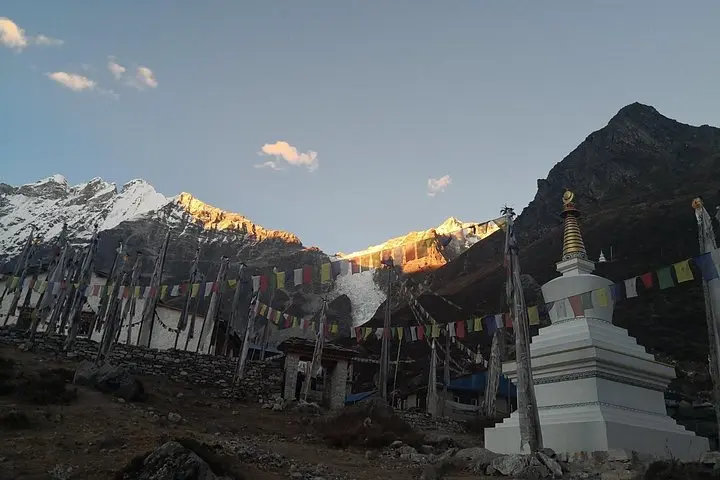
A cold dawn on Poon Hill splits the night; orange light rolls across serrated peaks as yaks and distant tractors settle into valleys below. By the time you lace boots in Ghorepani, the trail is already awake — a mix of stone steps, rhododendron-slabbed switchbacks and the soft hush of high forest.
A cold dawn on Poon Hill splits the night; orange light rolls across serrated peaks as yaks and distant tractors settle into valleys below. By the time you lace boots in Ghorepani, the trail is already awake — a mix of stone steps, rhododendron-slabbed switchbacks and the soft hush of high forest.
This 14-day itinerary threads classic Annapurna routes: Kathmandu’s UNESCO stupas and Durbar Square, the lakeside calm of Pokhara, then the rising theatre of the Modi Valley into Annapurna Base Camp (4,130 m). Geologically the region is a collision zone — folded metamorphic rock pushing the Greater Himalaya skyward — which creates steep sided valleys and visible moraine near the high camps. Culturally, the trek passes Gurung and Magar villages where terrace farming and seasonal migration remain part of daily life.
Expect lodge-to-lodge trekking on marked trails, long ascents (Ulleri’s stone stairs, Chhomrong drops) and alpine terrain as trees thin above 3,000 m. The reward is close: panoramic views of Annapurna I, Dhaulagiri and Machhapuchhre from ABC and Machhapuchhre Base Camp, plus a soak at Jhinu’s hot springs to soothe tired legs.
Practical: build altitude acclimatization into your plan, carry layered clothing for rapidly changing conditions, and budget time for slow ascents and weather delays. Hydrate, pace your ascent, and use sun protection — Himalayan UV is fierce. With steady fitness and sensible pacing, the 14-day loop is an achievable, unforgettable high-mountain experience.