THE ADVENTURE COLLECTIVE® · Independent discovery and booking for outdoor travel

A compact, high-reward trek into the Annapurna Sanctuary, this 9–11 day route climbs to 4,130 m for close-up views of Annapurna and Machhapuchhre. Expect teahouse nights, steep stone steps, and a steady focus on altitude and pacing.
A compact, high-reward trek into the Annapurna Sanctuary, this 9–11 day route climbs to 4,130 m for close-up views of Annapurna and Machhapuchhre. Expect teahouse nights, steep stone steps, and a steady focus on altitude and pacing.
You stand where wind and rock argue for space: a wide bowl of scree and alpine grass cradles a jumble of peaks, and Annapurna’s south face rises like a raw wall overhead. Early light slices across Machhapuchhre (Fishtail), turning its ridgelines into a razor of glass while prayer flags snap insistently, urging you forward.
Verified experiences and guided adventures in the surrounding area.
Operated by Adventure World Club · Pokhara, Gandaki Province
You stand where wind and rock argue for space: a wide bowl of scree and alpine grass cradles a jumble of peaks, and Annapurna’s south face rises like a raw wall overhead. Early light slices across Machhapuchhre (Fishtail), turning its ridgelines into a razor of glass while prayer flags snap insistently, urging you forward.
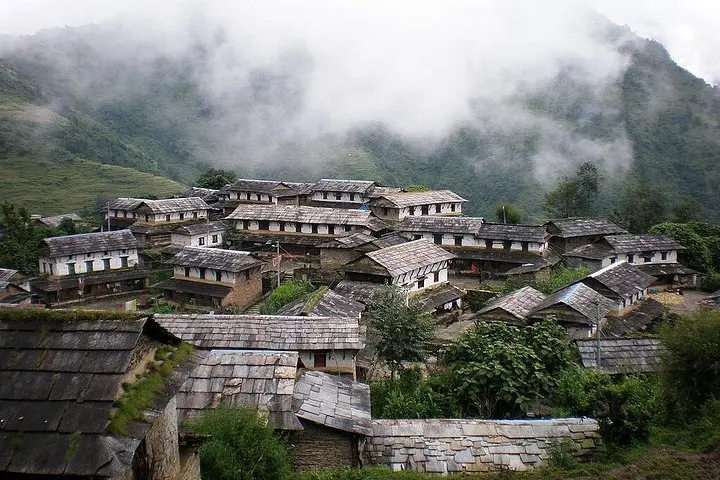
The route threads centuries of mountain life — terraced farms, Gurung villages, teahouses that have serviced mule trains for generations. Geologically, the Annapurna Sanctuary is a cirque carved by glaciers and fed by steep, heavily-jointed rock, which is why the trail alternates between stone steps, riverbeds and scree slopes. Culturally, the trek passes Gurung and Magar communities where local life centers on yak herding, seasonal farming and Himalayan hospitality.
Expect changing vegetation zones: subtropical rhododendron forests at lower elevations give way to bamboo and then sparse alpine meadows as you climb toward 4,130 m. Rivers will challenge your rhythm with sudden crossings; the landscape has a blunt, physical honesty — it demands attention.
Practical guidance: allow time for acclimatization, carry layers for freeze–thaw swings, and plan for basic lodge accommodation with shared facilities. Hike steady rather than fast—altitude is the variable to manage. Hydrate early, pack blister care and an insulated shell for evenings at high camps. Start days before sunrise to avoid afternoon cloud build-up and secure your permits (ACAP/TIMS) before leaving Pokhara. With preparation, the sanctuary’s wide views and close-up peaks repay the effort with a rare, immediate clarity—mountain travel stripped to its essentials.
Yes — you need the Annapurna Conservation Area Permit (ACAP) and TIMS card; your operator usually arranges these before departure.
Fit beginners with trekking experience and time to acclimatize can do it, but expect challenging sections and high-altitude effects above 3,000 m.
Basic teahouses and lodges with shared rooms and communal dining are standard; hot showers may be limited at higher camps.
Pre-monsoon (spring) and post-monsoon (autumn) offer the most stable weather and clearest views, though winter is possible for experienced cold-weather trekkers.
Adventure World Club operates guided outdoor trips and adventures with an emphasis on safety, stewardship, and memorable experiences.
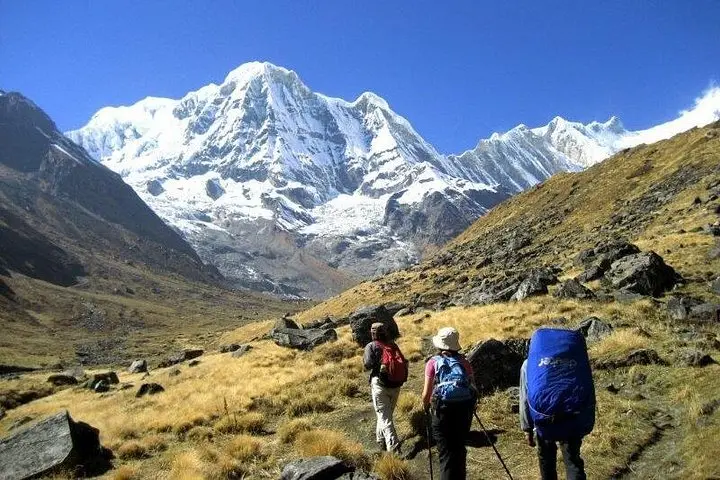
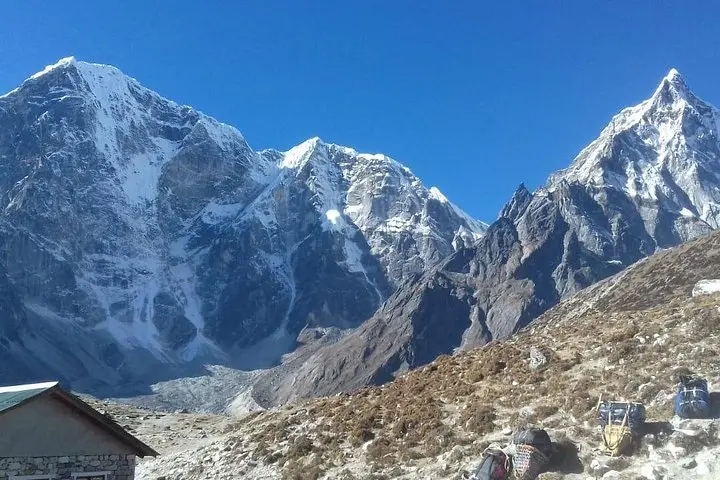
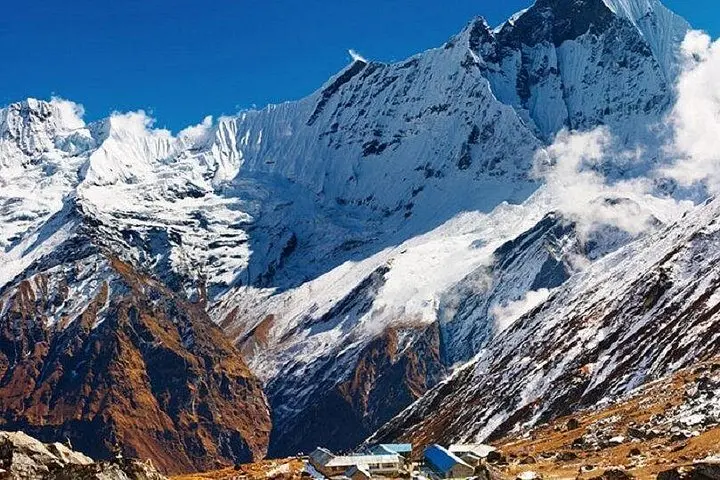
You stand where wind and rock argue for space: a wide bowl of scree and alpine grass cradles a jumble of peaks, and Annapurna’s south face rises like a raw wall overhead. Early light slices across Machhapuchhre (Fishtail), turning its ridgelines into a razor of glass while prayer flags snap insistently, urging you forward.
You stand where wind and rock argue for space: a wide bowl of scree and alpine grass cradles a jumble of peaks, and Annapurna’s south face rises like a raw wall overhead. Early light slices across Machhapuchhre (Fishtail), turning its ridgelines into a razor of glass while prayer flags snap insistently, urging you forward.
The route threads centuries of mountain life — terraced farms, Gurung villages, teahouses that have serviced mule trains for generations. Geologically, the Annapurna Sanctuary is a cirque carved by glaciers and fed by steep, heavily-jointed rock, which is why the trail alternates between stone steps, riverbeds and scree slopes. Culturally, the trek passes Gurung and Magar communities where local life centers on yak herding, seasonal farming and Himalayan hospitality.
Expect changing vegetation zones: subtropical rhododendron forests at lower elevations give way to bamboo and then sparse alpine meadows as you climb toward 4,130 m. Rivers will challenge your rhythm with sudden crossings; the landscape has a blunt, physical honesty — it demands attention.
Practical guidance: allow time for acclimatization, carry layers for freeze–thaw swings, and plan for basic lodge accommodation with shared facilities. Hike steady rather than fast—altitude is the variable to manage. Hydrate early, pack blister care and an insulated shell for evenings at high camps. Start days before sunrise to avoid afternoon cloud build-up and secure your permits (ACAP/TIMS) before leaving Pokhara. With preparation, the sanctuary’s wide views and close-up peaks repay the effort with a rare, immediate clarity—mountain travel stripped to its essentials.