THE ADVENTURE COLLECTIVE® · Independent discovery and booking for outdoor travel

A 10-day trek from Pokhara into the Annapurna Sanctuary delivers tight climbs, teahouse nights, and a bowl-shaped amphitheater of peaks at ABC. This guide outlines what to expect on trail, how to prepare for altitude and permits, and where to find the best local stops on the way.
A 10-day trek from Pokhara into the Annapurna Sanctuary delivers tight climbs, teahouse nights, and a bowl-shaped amphitheater of peaks at ABC. This guide outlines what to expect on trail, how to prepare for altitude and permits, and where to find the best local stops on the way.
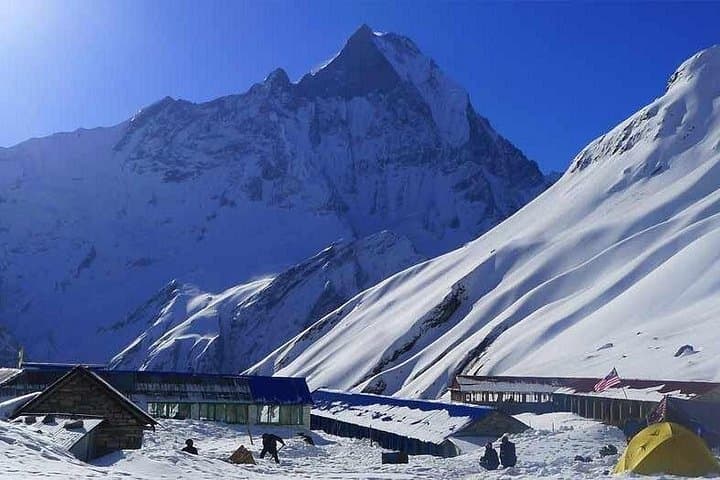
Dawn in Pokhara feels like a promise — tuk-tuks rattle, tea stalls steam, and the road north tightens toward terraced fields and rhododendron forests. The trail from Nayapul climbs through villages where prayer flags snap like small warnings and porters move with quiet efficiency. As you rise, the jungle loosens its grip and the sanctuary opens: a bowl of rock and ice crowned by Annapurna I and the knife-edge silhouette of Machapuchare. Wind fills the amphitheater, pushing cold and clarity into your lungs.
Verified experiences and guided adventures in the surrounding area.
Operated by Red Carpet Journey · Pokhara, Gandaki Province
Dawn in Pokhara feels like a promise — tuk-tuks rattle, tea stalls steam, and the road north tightens toward terraced fields and rhododendron forests. The trail from Nayapul climbs through villages where prayer flags snap like small warnings and porters move with quiet efficiency. As you rise, the jungle loosens its grip and the sanctuary opens: a bowl of rock and ice crowned by Annapurna I and the knife-edge silhouette of Machapuchare. Wind fills the amphitheater, pushing cold and clarity into your lungs.
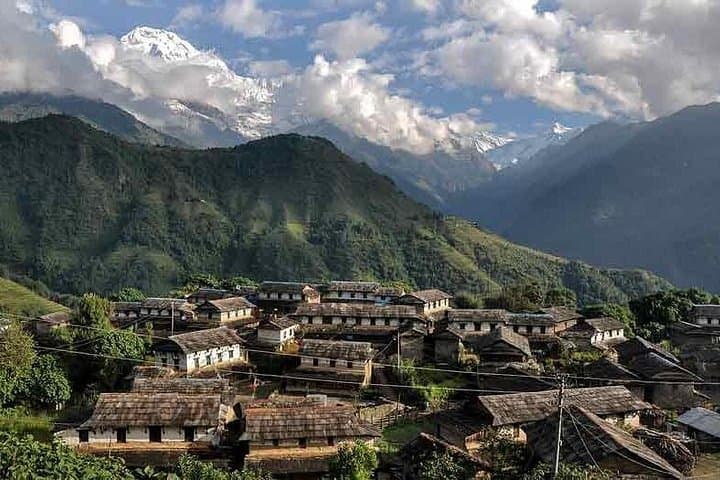
Geology here reads like a slow collision — the Indian Plate forcing up the Himalaya and exposing granite spines and glacial cirques. Gurung villages such as Ghandruk and Chhomrong keep living customs: stone houses, communal teahouses, and stories of mule trains and mountain gods. The Annapurna Conservation Area, Nepal’s largest protected zone, balances tourism with grazing and subsistence farming.
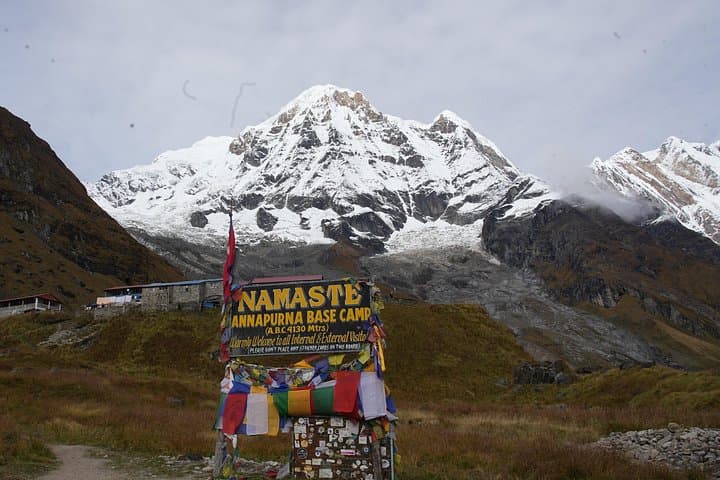
Practical edge: Annapurna Base Camp sits around 4,130 m, so plan two acclimatization days and expect thin air and large temperature swings. Trails are a mix of stone steps, steep ascents, and muddy stretches; good boots and trekking poles cut fatigue. Carry a water filter or purification tablets — teahouse water is available but not always treated. Pack cash for permits (ACAP, TIMS), hot showers, and charging; mobile signal is intermittent. Early starts beat afternoon storms during monsoon shoulder seasons.
Finish with a soak at Jhinu’s hot springs or a slow lakeside evening in Pokhara. Respect local customs, leave no trace, and let the mountains test your pace rather than your patience.
Yes — an Annapurna Conservation Area Permit (ACAP) and a TIMS card are required and typically arranged before or at Nayapul; bring passport copies.
Spring (Mar–May) and fall (Sep–Nov) offer the most stable weather and clear mountain views; monsoon brings verdant forests but afternoon storms.
ABC is about 4,130 m; altitude sickness can occur, so acclimatize, hydrate, and descend if severe symptoms develop.
Teahouse lodging is basic but functional — shared rooms, wooden bunks, simple meals, and paid charging; expect variable heating and hot-water availability.
Red Carpet Journey operates guided outdoor trips and adventures with an emphasis on safety, stewardship, and memorable experiences.
Dawn in Pokhara feels like a promise — tuk-tuks rattle, tea stalls steam, and the road north tightens toward terraced fields and rhododendron forests. The trail from Nayapul climbs through villages where prayer flags snap like small warnings and porters move with quiet efficiency. As you rise, the jungle loosens its grip and the sanctuary opens: a bowl of rock and ice crowned by Annapurna I and the knife-edge silhouette of Machapuchare. Wind fills the amphitheater, pushing cold and clarity into your lungs.
Dawn in Pokhara feels like a promise — tuk-tuks rattle, tea stalls steam, and the road north tightens toward terraced fields and rhododendron forests. The trail from Nayapul climbs through villages where prayer flags snap like small warnings and porters move with quiet efficiency. As you rise, the jungle loosens its grip and the sanctuary opens: a bowl of rock and ice crowned by Annapurna I and the knife-edge silhouette of Machapuchare. Wind fills the amphitheater, pushing cold and clarity into your lungs.
Geology here reads like a slow collision — the Indian Plate forcing up the Himalaya and exposing granite spines and glacial cirques. Gurung villages such as Ghandruk and Chhomrong keep living customs: stone houses, communal teahouses, and stories of mule trains and mountain gods. The Annapurna Conservation Area, Nepal’s largest protected zone, balances tourism with grazing and subsistence farming.
Practical edge: Annapurna Base Camp sits around 4,130 m, so plan two acclimatization days and expect thin air and large temperature swings. Trails are a mix of stone steps, steep ascents, and muddy stretches; good boots and trekking poles cut fatigue. Carry a water filter or purification tablets — teahouse water is available but not always treated. Pack cash for permits (ACAP, TIMS), hot showers, and charging; mobile signal is intermittent. Early starts beat afternoon storms during monsoon shoulder seasons.
Finish with a soak at Jhinu’s hot springs or a slow lakeside evening in Pokhara. Respect local customs, leave no trace, and let the mountains test your pace rather than your patience.