THE ADVENTURE COLLECTIVE® · Independent discovery and booking for outdoor travel

Follow ancient mule tracks through rhododendron forests and Gurung villages to the amphitheater of Annapurna Base Camp (4,130 m). This 10–11 day guided trek pairs dramatic Himalayan panoramas with cultural stops and well-supported lodge nights—ideal for fit hikers prepared for altitude.
Follow ancient mule tracks through rhododendron forests and Gurung villages to the amphitheater of Annapurna Base Camp (4,130 m). This 10–11 day guided trek pairs dramatic Himalayan panoramas with cultural stops and well-supported lodge nights—ideal for fit hikers prepared for altitude.
A thin Himalayan dawn breaks over Pokhara as jeeps roll toward the trailhead and prayer flags catch the wind—the first step toward the Annapurna Sanctuary. The path narrows, plunging through rhododendron and oak into bamboo gorges, then climbs in threaded switchbacks that reveal teeth of rock and glacier. By morning on the upper ridges, the Annapurna massif fills the sky, Machapuchare (Fishtail) daring you with its perfect peak.
Verified experiences and guided adventures in the surrounding area.
Operated by Alliance Adventure Pvt. Ltd · Pokhara, Gandaki Province
A thin Himalayan dawn breaks over Pokhara as jeeps roll toward the trailhead and prayer flags catch the wind—the first step toward the Annapurna Sanctuary. The path narrows, plunging through rhododendron and oak into bamboo gorges, then climbs in threaded switchbacks that reveal teeth of rock and glacier. By morning on the upper ridges, the Annapurna massif fills the sky, Machapuchare (Fishtail) daring you with its perfect peak.
The route follows centuries-old mule trails and Gurung villages where slate roofs and stone steps reflect a mountain way of life. Geologically, the sanctuary is a bowl carved by glaciers and landslides, framing blue ice and moraine below the 7,000–8,000m giants. Culturally, the trek passes Gurung settlements where local hospitality and simple lodges are part of the rhythm; historically the Annapurna massif was among the earliest 8,000m objectives for foreign climbers, which opened the region to trekking.
Practical guidance: plan for altitude—Annapurna Base Camp sits at about 4,130 m—bring layered insulation, and allow paced ascent with at least one acclimatization day. Expect 8–10 hours of trekking on full days, mixed terrain of packed earth, stone steps and occasional scree; the trail is well-marked but steep in sections. Spring (March–May) gives rhododendron blooms and stable weather; fall (Sept–Nov) delivers the clearest mountain panoramas. Monsoon months bring heavy rain and leeches; winter is cold with possible snow above Machhapuchare Base Camp. Lodges provide basic meals and hot tea; carry cash for purchases and tipping. A TIMS card and ACAP permit are required. Hydrate, keep days moderate, and enjoy the shifting light on the peaks—this trek rewards patience with one of the most immediate mountain amphitheaters in the Himalaya.
Yes—trekkers must carry an ACAP (Annapurna Conservation Area Permit) and a TIMS card; guides typically arrange these before departure.
ABC is about 4,130 m (13,550 ft); prior high-altitude trekking experience helps, and proper acclimatization is essential to reduce AMS risk.
Yes—this itinerary stays in local teahouses/lodges offering basic rooms and meals; facilities get more basic above Machhapuchare Base Camp.
Fall (Sept–Nov) and spring (Mar–May) offer the most reliable weather and visibility; monsoon brings heavy rain, and winter is cold with possible snow on higher sections.
Alliance Adventure Pvt. Ltd operates guided outdoor trips and adventures with an emphasis on safety, stewardship, and memorable experiences.
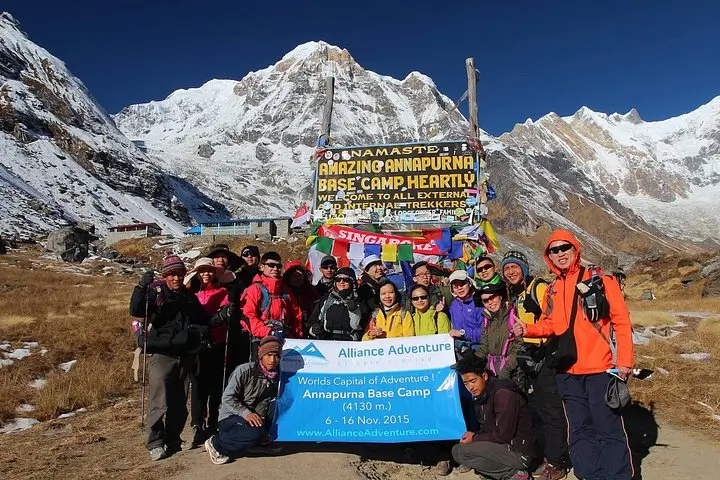
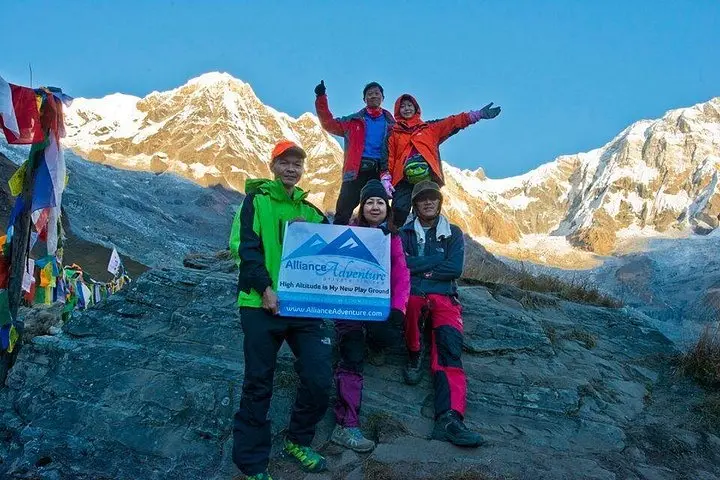
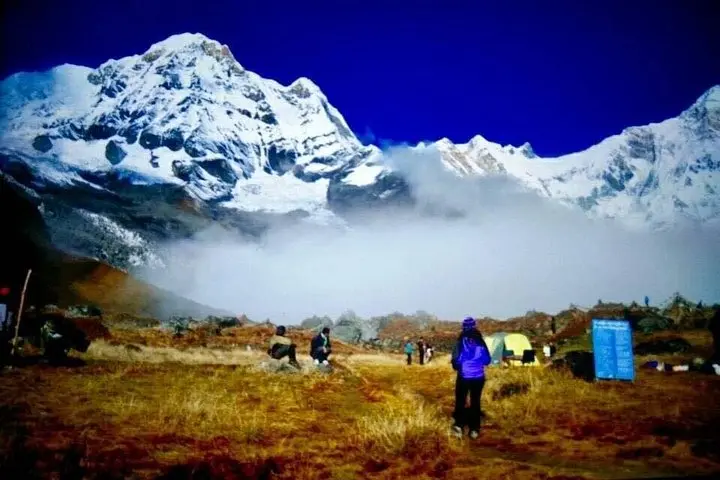
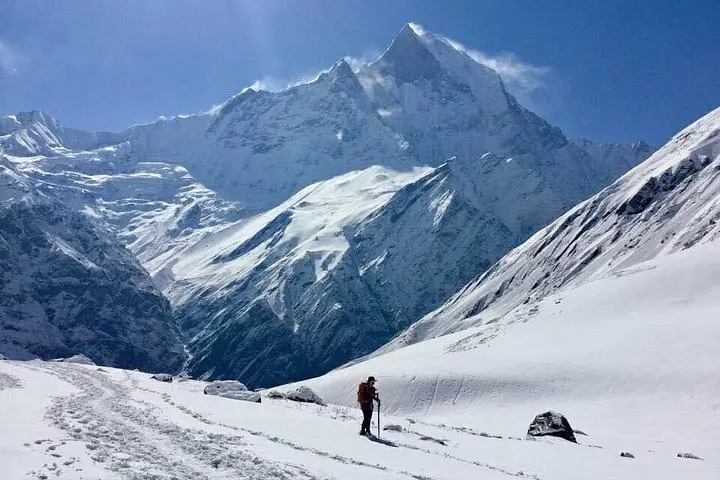
A thin Himalayan dawn breaks over Pokhara as jeeps roll toward the trailhead and prayer flags catch the wind—the first step toward the Annapurna Sanctuary. The path narrows, plunging through rhododendron and oak into bamboo gorges, then climbs in threaded switchbacks that reveal teeth of rock and glacier. By morning on the upper ridges, the Annapurna massif fills the sky, Machapuchare (Fishtail) daring you with its perfect peak.
A thin Himalayan dawn breaks over Pokhara as jeeps roll toward the trailhead and prayer flags catch the wind—the first step toward the Annapurna Sanctuary. The path narrows, plunging through rhododendron and oak into bamboo gorges, then climbs in threaded switchbacks that reveal teeth of rock and glacier. By morning on the upper ridges, the Annapurna massif fills the sky, Machapuchare (Fishtail) daring you with its perfect peak.
The route follows centuries-old mule trails and Gurung villages where slate roofs and stone steps reflect a mountain way of life. Geologically, the sanctuary is a bowl carved by glaciers and landslides, framing blue ice and moraine below the 7,000–8,000m giants. Culturally, the trek passes Gurung settlements where local hospitality and simple lodges are part of the rhythm; historically the Annapurna massif was among the earliest 8,000m objectives for foreign climbers, which opened the region to trekking.
Practical guidance: plan for altitude—Annapurna Base Camp sits at about 4,130 m—bring layered insulation, and allow paced ascent with at least one acclimatization day. Expect 8–10 hours of trekking on full days, mixed terrain of packed earth, stone steps and occasional scree; the trail is well-marked but steep in sections. Spring (March–May) gives rhododendron blooms and stable weather; fall (Sept–Nov) delivers the clearest mountain panoramas. Monsoon months bring heavy rain and leeches; winter is cold with possible snow above Machhapuchare Base Camp. Lodges provide basic meals and hot tea; carry cash for purchases and tipping. A TIMS card and ACAP permit are required. Hydrate, keep days moderate, and enjoy the shifting light on the peaks—this trek rewards patience with one of the most immediate mountain amphitheaters in the Himalaya.