THE ADVENTURE COLLECTIVE® · Independent discovery and booking for outdoor travel

A classic 10-day tea-house trek that delivers Himalayan panoramas, traditional mountain villages, and the high snow bowl of Annapurna Base Camp (4,645 m). Read on for what to expect on the trail, seasonal windows, and essential planning tips.
A classic 10-day tea-house trek that delivers Himalayan panoramas, traditional mountain villages, and the high snow bowl of Annapurna Base Camp (4,645 m). Read on for what to expect on the trail, seasonal windows, and essential planning tips.
Dawn breaks over Pokhara and the road to Nayapul unspools through terraced hills — jeeps climb, valleys sink, and by midmorning your boots find the first stone steps toward Ulleri. The trail alternates old staircases and mellow ridge walks, threading rhododendron forest, birch and alpine meadows before opening on the vast bowl of Annapurna Base Camp (ABC) at 4,645 m.
Verified experiences and guided adventures in the surrounding area.
Operated by Trek Mania Nepal · Pokhara, Gandaki Province
Dawn breaks over Pokhara and the road to Nayapul unspools through terraced hills — jeeps climb, valleys sink, and by midmorning your boots find the first stone steps toward Ulleri. The trail alternates old staircases and mellow ridge walks, threading rhododendron forest, birch and alpine meadows before opening on the vast bowl of Annapurna Base Camp (ABC) at 4,645 m.
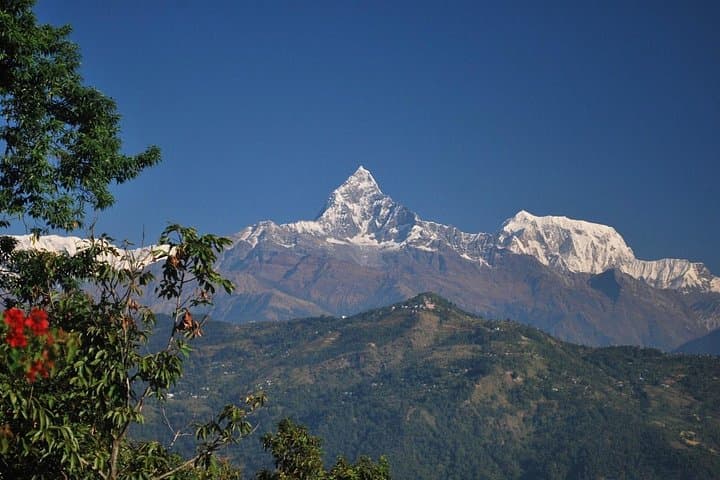
This route follows long-established porter tracks through communities of Magar and Gurung people; teahouses line the village stops that developed alongside trade routes. Geologically the trail climbs the southern flanks of the Annapurna massif, crossing moraines and avalanche-prone gullies near Deurali and MBC (Machhapuchhre Base Camp). Poon Hill — a pre-dawn side trip from Ghorepani — offers a classic sunrise view of Machhapuchhre (Fishtail), Annapurna South and Dhaulagiri.
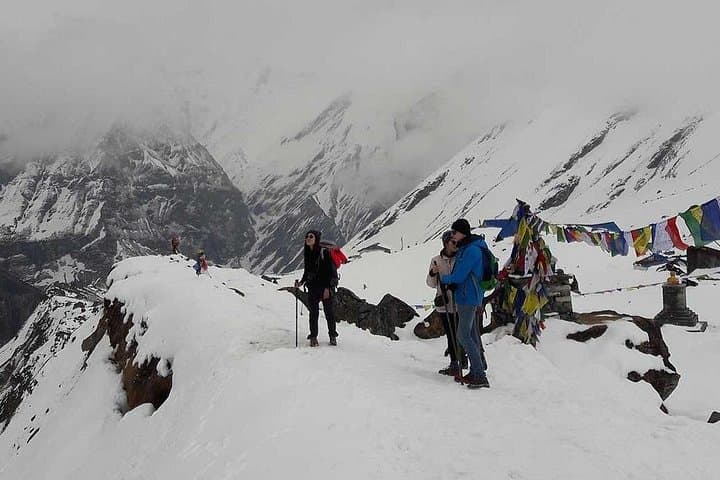
Expect stone stairs, muddy switchbacks in the wet season, and short exposed snowfields above Bamboo and Deurali. Permits (ACAP and TIMS) are required and local lodges provide simple meals and beds in tea-house style accommodation.
Practical edge: plan for 10 days/9 nights with one or two acclimatization buffers, carry a warm sleeping bag, and treat water or use bottled refills at lodges. Footwear should handle uneven stone steps and muddy forest floors. Trekking in September–December or February–June gives the best visibility; monsoon months bring heavy trails and slippery conditions. Hydrate, pace ascents above 3,000 m, and be prepared for rapid weather swings — the mountains change as quickly as the light.
Yes. You must carry an Annapurna Conservation Area Permit (ACAP) and a TIMS card; guides or operators usually arrange these before departure.
The highest point is Annapurna Base Camp at 4,645 m; days include long stair climbs and sustained ascents—altitude acclimatization and moderate-to-strong fitness are required.
Tea-house accommodation is basic: twin rooms, shared bathrooms in many spots, and simple cooked meals; comfort decreases above Bamboo and Deurali.
Yes—sleeping bags, down jackets and duffel bags can be rented in Pokhara, but quality varies so check gear before leaving town.
Trek Mania Nepal operates guided outdoor trips and adventures with an emphasis on safety, stewardship, and memorable experiences.

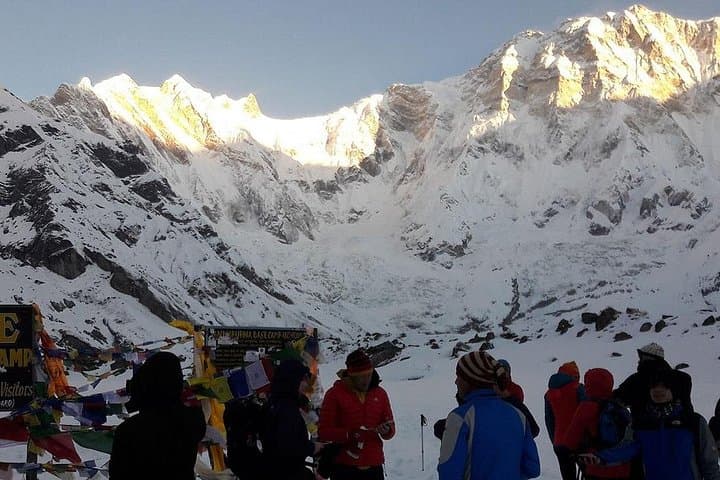
Dawn breaks over Pokhara and the road to Nayapul unspools through terraced hills — jeeps climb, valleys sink, and by midmorning your boots find the first stone steps toward Ulleri. The trail alternates old staircases and mellow ridge walks, threading rhododendron forest, birch and alpine meadows before opening on the vast bowl of Annapurna Base Camp (ABC) at 4,645 m.
Dawn breaks over Pokhara and the road to Nayapul unspools through terraced hills — jeeps climb, valleys sink, and by midmorning your boots find the first stone steps toward Ulleri. The trail alternates old staircases and mellow ridge walks, threading rhododendron forest, birch and alpine meadows before opening on the vast bowl of Annapurna Base Camp (ABC) at 4,645 m.
This route follows long-established porter tracks through communities of Magar and Gurung people; teahouses line the village stops that developed alongside trade routes. Geologically the trail climbs the southern flanks of the Annapurna massif, crossing moraines and avalanche-prone gullies near Deurali and MBC (Machhapuchhre Base Camp). Poon Hill — a pre-dawn side trip from Ghorepani — offers a classic sunrise view of Machhapuchhre (Fishtail), Annapurna South and Dhaulagiri.
Expect stone stairs, muddy switchbacks in the wet season, and short exposed snowfields above Bamboo and Deurali. Permits (ACAP and TIMS) are required and local lodges provide simple meals and beds in tea-house style accommodation.
Practical edge: plan for 10 days/9 nights with one or two acclimatization buffers, carry a warm sleeping bag, and treat water or use bottled refills at lodges. Footwear should handle uneven stone steps and muddy forest floors. Trekking in September–December or February–June gives the best visibility; monsoon months bring heavy trails and slippery conditions. Hydrate, pace ascents above 3,000 m, and be prepared for rapid weather swings — the mountains change as quickly as the light.