THE ADVENTURE COLLECTIVE® · Independent discovery and booking for outdoor travel

Traverse rhododendron forests, Gurung villages and a glacial amphitheater to reach Annapurna Base Camp in 11 days. This practical guide covers what to expect on trail, seasonal tips, and essential gear for the Sanctuary trek.
Traverse rhododendron forests, Gurung villages and a glacial amphitheater to reach Annapurna Base Camp in 11 days. This practical guide covers what to expect on trail, seasonal tips, and essential gear for the Sanctuary trek.
Stone stairways rise like a ribcage through rhododendron forests as prayer flags snap above a bowl of peaks — Annapurna I and Machapuchare (Fishtail) dominate the horizon. On this 11-day trek you enter the Annapurna Sanctuary, a natural amphitheater of serrated ridges and moraine-carved valleys, ending at the base camp’s 4,130-meter plateau where tea houses huddle against wind and snow.
Verified experiences and guided adventures in the surrounding area.
Operated by Magic Himalaya Treks · Pokhara, Gandaki Province
Stone stairways rise like a ribcage through rhododendron forests as prayer flags snap above a bowl of peaks — Annapurna I and Machapuchare (Fishtail) dominate the horizon. On this 11-day trek you enter the Annapurna Sanctuary, a natural amphitheater of serrated ridges and moraine-carved valleys, ending at the base camp’s 4,130-meter plateau where tea houses huddle against wind and snow.
The route follows century-old mule tracks once used by traders and local shepherds. Geologically, you move from fertile terraced farmland through mid-elevation oak and rhododendron zones into glacially sculpted alpine meadows. Culturally, the trail threads Gurung and Magar villages — Ghandruk offers a compact cultural museum and a clear view south across the valley. The Annapurna Conservation Area Project (ACAP) oversees the region, balancing trekking access with habitat protection.
Expect varied terrain: stone steps, packed dirt, river crossings and steep switchbacks. Daily legs average 4–7 hours with key altitude gain approaching MBC and ABC; plan for acclimatization, steady pacing and layers for rapidly changing weather. Jhinu Danda’s riverside hot springs make a welcome recovery stop on the descent.
Practical guidance: travel in spring or autumn for stable weather, carry cash for teahouse stays, use a guided group or licensed local guide (porter ratio commonly 1:2), and be ready to adapt your schedule to weather and acclimatization needs. Footwear with firm ankle support, a warm down layer, and a reliable hydration system are the essentials to move confidently through the sanctuary.
No technical experience required, but prior multi-day hiking and good fitness help; acclimatization and a guided plan mitigate altitude risk.
Teahouses provide basic twin rooms, shared bathrooms and simple Nepali meals; charging and hot showers are often available for a fee.
Spring (March–May) and fall (September–November) offer the most stable weather and best visibility for mountain views.
A licensed guide is strongly recommended for navigation, acclimatization guidance and local liaison; porters are common to carry heavy packs (typical ratio 1 porter per 2 trekkers).
Magic Himalaya Treks operates guided outdoor trips and adventures with an emphasis on safety, stewardship, and memorable experiences.
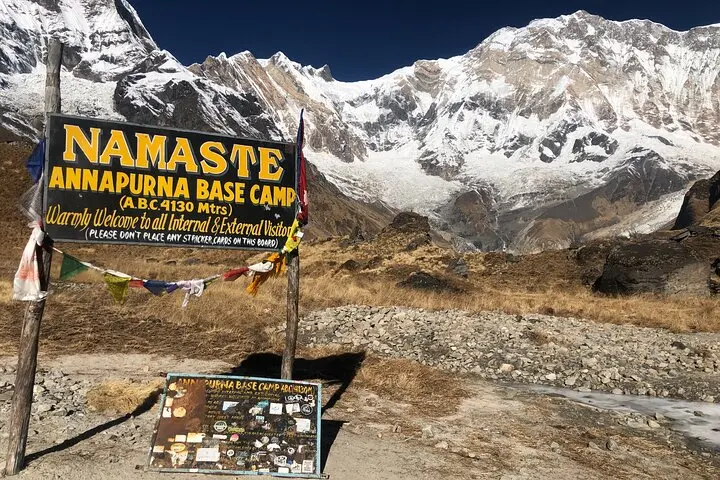
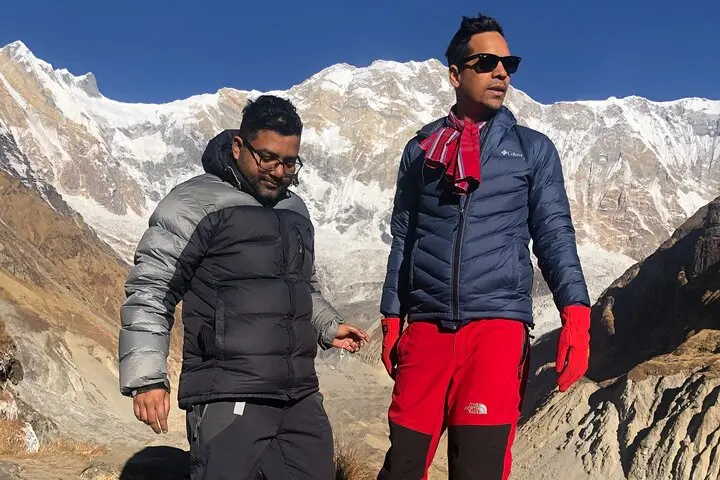
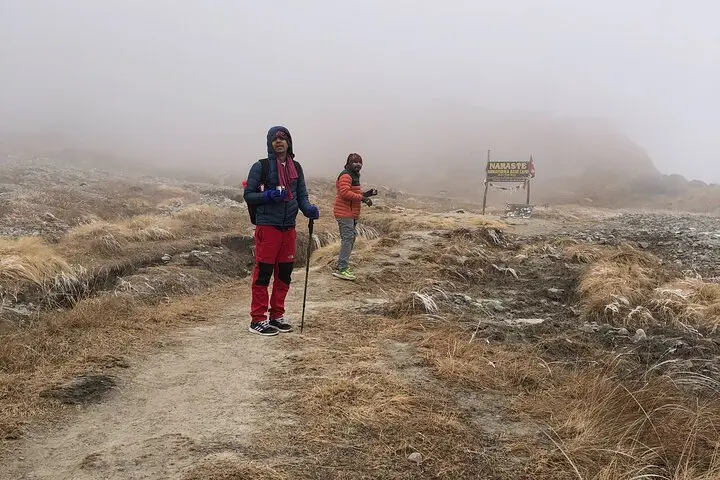
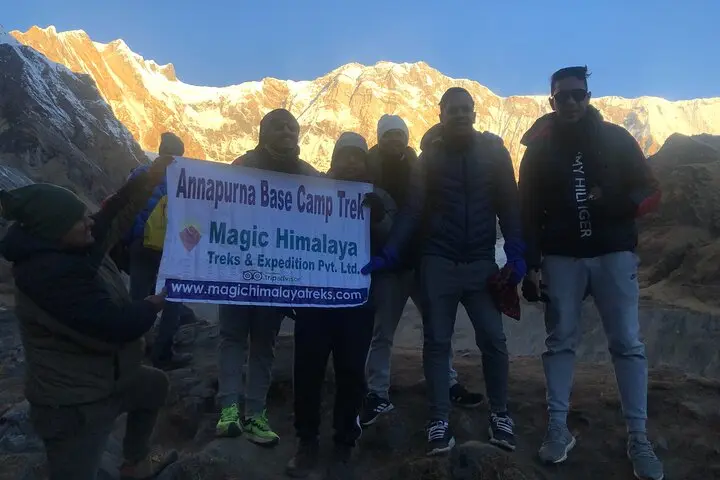
Stone stairways rise like a ribcage through rhododendron forests as prayer flags snap above a bowl of peaks — Annapurna I and Machapuchare (Fishtail) dominate the horizon. On this 11-day trek you enter the Annapurna Sanctuary, a natural amphitheater of serrated ridges and moraine-carved valleys, ending at the base camp’s 4,130-meter plateau where tea houses huddle against wind and snow.
Stone stairways rise like a ribcage through rhododendron forests as prayer flags snap above a bowl of peaks — Annapurna I and Machapuchare (Fishtail) dominate the horizon. On this 11-day trek you enter the Annapurna Sanctuary, a natural amphitheater of serrated ridges and moraine-carved valleys, ending at the base camp’s 4,130-meter plateau where tea houses huddle against wind and snow.
The route follows century-old mule tracks once used by traders and local shepherds. Geologically, you move from fertile terraced farmland through mid-elevation oak and rhododendron zones into glacially sculpted alpine meadows. Culturally, the trail threads Gurung and Magar villages — Ghandruk offers a compact cultural museum and a clear view south across the valley. The Annapurna Conservation Area Project (ACAP) oversees the region, balancing trekking access with habitat protection.
Expect varied terrain: stone steps, packed dirt, river crossings and steep switchbacks. Daily legs average 4–7 hours with key altitude gain approaching MBC and ABC; plan for acclimatization, steady pacing and layers for rapidly changing weather. Jhinu Danda’s riverside hot springs make a welcome recovery stop on the descent.
Practical guidance: travel in spring or autumn for stable weather, carry cash for teahouse stays, use a guided group or licensed local guide (porter ratio commonly 1:2), and be ready to adapt your schedule to weather and acclimatization needs. Footwear with firm ankle support, a warm down layer, and a reliable hydration system are the essentials to move confidently through the sanctuary.