THE ADVENTURE COLLECTIVE® · Independent discovery and booking for outdoor travel

An 11-day trek from Pokhara to Annapurna Base Camp climbs from lush valleys into a high glacial amphitheatre above 4,100 m. Expect teahouse nights, long ascent days and sweeping Himalayan views with real altitude planning required.
An 11-day trek from Pokhara to Annapurna Base Camp climbs from lush valleys into a high glacial amphitheatre above 4,100 m. Expect teahouse nights, long ascent days and sweeping Himalayan views with real altitude planning required.
At dawn the Annapurna amphitheatre opens like a held breath — thin air tugging at your lungs as you step above the treeline. Trails climb through rhododendron and oak, past stone teahouses where steaming mugs and practical advice wait, then into moraines and wind that push you toward the bowl of Annapurna Base Camp.
Verified experiences and guided adventures in the surrounding area.
Operated by Expedia Holiday · Pokhara, Gandaki Province
At dawn the Annapurna amphitheatre opens like a held breath — thin air tugging at your lungs as you step above the treeline. Trails climb through rhododendron and oak, past stone teahouses where steaming mugs and practical advice wait, then into moraines and wind that push you toward the bowl of Annapurna Base Camp.
This trek threads living culture and mountaineering history. Gurung and Magar villages such as Ghandruk display terraced fields and stone houses; local teahouses evolved to host early climbers and now support village economies. Geologically the sanctuary is a cirque carved by glaciers and avalanches, ringed by Annapurna I, Machhapuchhre and subsidiary ridges that display active uplift and harsh erosion.
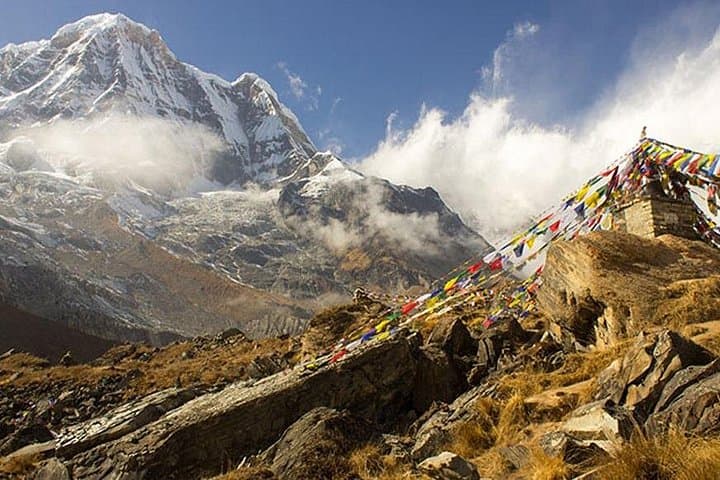
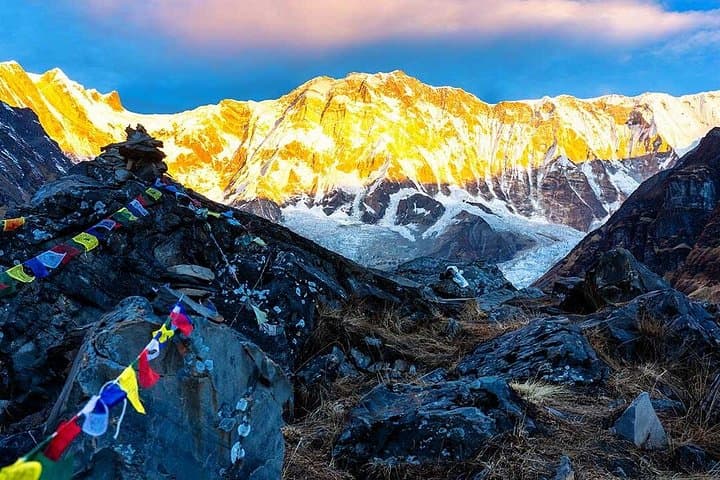
Lower stages run through closed-canopy forest; higher you’ll cross bamboo, alpine scrub and loose boulder fields. Prayer flags and mani walls punctuate the trail, and wind often dictates your day. Expect long ascent days and a dramatic sunrise from the high bowl when sunlight chisels the snow faces.
Practically: ABC sits above ~4,100 m, so build acclimatization time, pace steadily, and plan for rapid descent if symptoms appear. Sturdy, waterproof footwear handles muddy steps and wet stone; layer for large diurnal swings; carry cash, a basic first-aid kit and spare blister supplies. Book teahouses in peak months and travel light — the views at the top are earned by steady walking and sensible planning.
Yes—trekkers must carry a TIMS card and an Annapurna Conservation Area Permit (ACAP); guides usually help secure these before departure.
Spring (March–May) and fall (Sep–Nov) offer the most stable weather and clear mountain views; winter is cold and summer brings monsoon rain.
It’s achievable for fit beginners with proper acclimatization and pacing, but days are long and altitude makes it challenging—prepare accordingly.
Teahouses provide basic rooms and hot meals; amenities vary with altitude—expect shared bathrooms, limited showers and simple bedding.
Expedia Holiday operates guided outdoor trips and adventures with an emphasis on safety, stewardship, and memorable experiences.
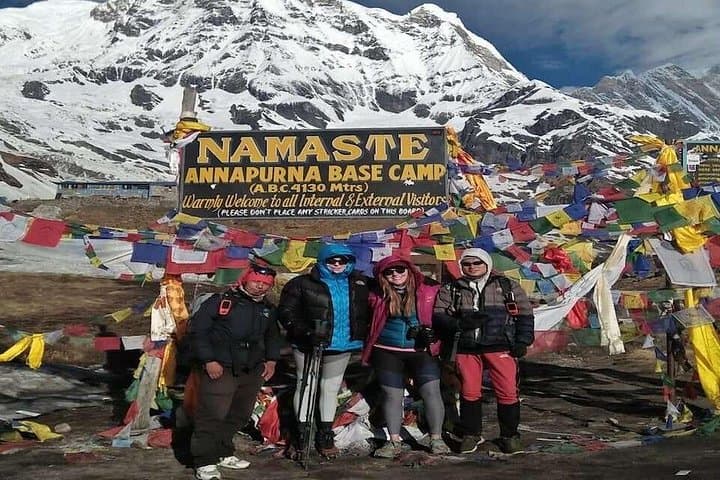
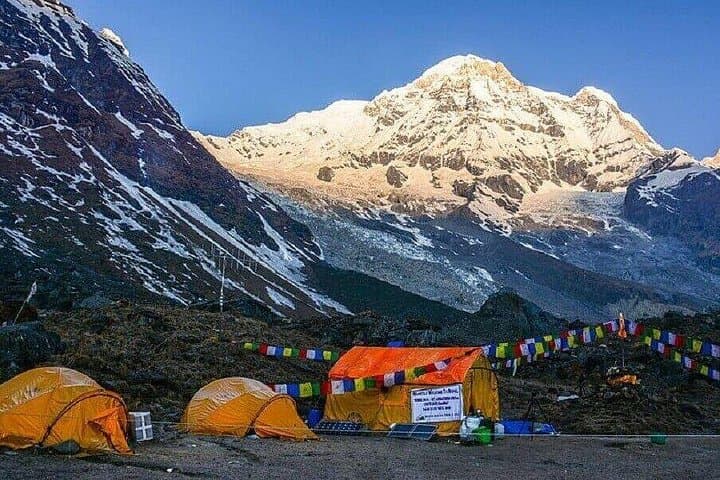
At dawn the Annapurna amphitheatre opens like a held breath — thin air tugging at your lungs as you step above the treeline. Trails climb through rhododendron and oak, past stone teahouses where steaming mugs and practical advice wait, then into moraines and wind that push you toward the bowl of Annapurna Base Camp.
At dawn the Annapurna amphitheatre opens like a held breath — thin air tugging at your lungs as you step above the treeline. Trails climb through rhododendron and oak, past stone teahouses where steaming mugs and practical advice wait, then into moraines and wind that push you toward the bowl of Annapurna Base Camp.
This trek threads living culture and mountaineering history. Gurung and Magar villages such as Ghandruk display terraced fields and stone houses; local teahouses evolved to host early climbers and now support village economies. Geologically the sanctuary is a cirque carved by glaciers and avalanches, ringed by Annapurna I, Machhapuchhre and subsidiary ridges that display active uplift and harsh erosion.
Lower stages run through closed-canopy forest; higher you’ll cross bamboo, alpine scrub and loose boulder fields. Prayer flags and mani walls punctuate the trail, and wind often dictates your day. Expect long ascent days and a dramatic sunrise from the high bowl when sunlight chisels the snow faces.
Practically: ABC sits above ~4,100 m, so build acclimatization time, pace steadily, and plan for rapid descent if symptoms appear. Sturdy, waterproof footwear handles muddy steps and wet stone; layer for large diurnal swings; carry cash, a basic first-aid kit and spare blister supplies. Book teahouses in peak months and travel light — the views at the top are earned by steady walking and sensible planning.