THE ADVENTURE COLLECTIVE® · Independent discovery and booking for outdoor travel

This 11-day Annapurna Base Camp trek threads villages, rhododendron forest and glacial amphitheaters to reach a 4,130 m alpine basin framed by Annapurna I and Machapuchare. Expect teahouse stays, big views and a carefully paced itinerary that emphasizes acclimatization.
This 11-day Annapurna Base Camp trek threads villages, rhododendron forest and glacial amphitheaters to reach a 4,130 m alpine basin framed by Annapurna I and Machapuchare. Expect teahouse stays, big views and a carefully paced itinerary that emphasizes acclimatization.
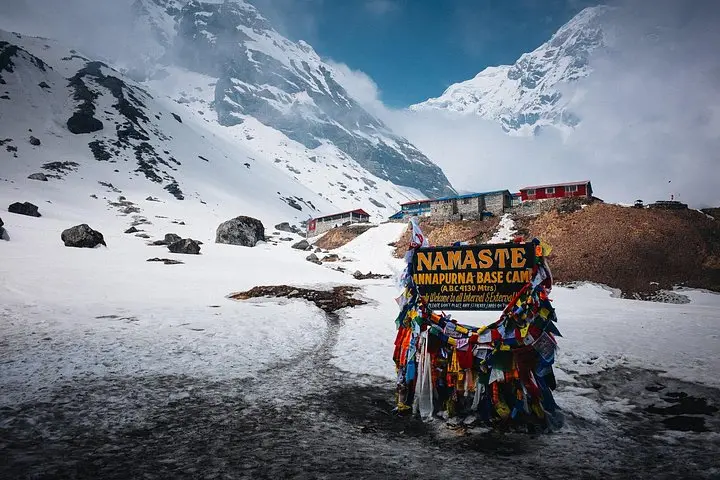
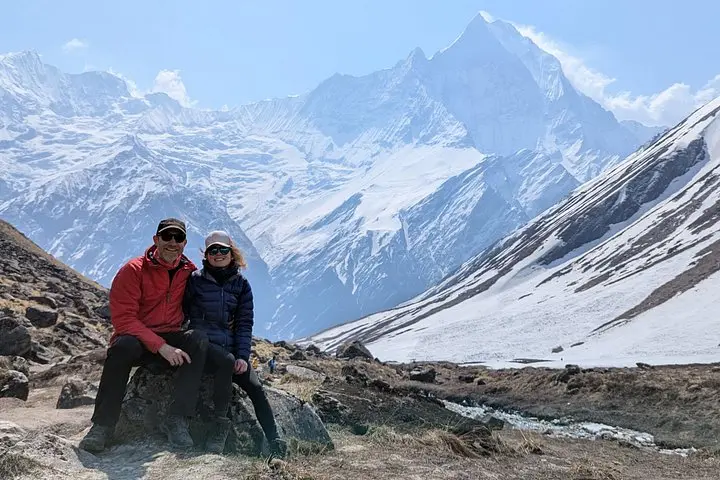
Clouds peel off the ridge as trekkers climb into a white-walled amphitheater where glaciers cut the horizon and Fishtail (Machapuchare) watches like a silent guardian.
Verified experiences and guided adventures in the surrounding area.
Operated by Sole Encounters Adventures · Pokhara, Gandaki Province
Clouds peel off the ridge as trekkers climb into a white-walled amphitheater where glaciers cut the horizon and Fishtail (Machapuchare) watches like a silent guardian.
The 11-day Annapurna Base Camp trek stitches village life, rhododendron forest and high alpine moraine into a single line that leads to 4,130 m. The route follows the Modi Khola, passes Gurung hamlets such as Chhomrong, and climbs through Bamboo, Dovan and Machapuchare Base Camp before entering the Sanctuary itself. Geologically the valley is a glacial bowl—ancient ice and moraine have sculpted steep cirques and lateral ridges—offering direct views of Annapurna I (8,091 m), Annapurna South and Hiunchuli.
Culturally, trekkers move through Gurung and Magar communities with teahouses that serve dal bhat and share local stories; trail-side prayer flags and mani stones mark spiritual ties to the mountains. The region sits inside the Annapurna Conservation Area Project, Nepal’s pioneering conservation model linking protected land with community livelihoods.
Practically, expect mixed terrain: prolonged stone staircases, muddy forest tracks and open glacial scree near MBC. Daily stages vary from 3–7 hours; key elevation changes include a 1,100 m climb to MBC and a final push of ~430 m to ABC. Altitude acclimatization is built into the itinerary with teahouse accommodations and paced ascent.
Bring solid boots, layered insulation for frigid nights, and a water-treatment option. Plan for limited connectivity and basic facilities in high villages. Start early to avoid afternoon weather and allow time to soak in Himalayan light—the peaks push and pause in a rhythm that shapes every step of this classic Nepal trek.
Yes—trekkers require an Annapurna Conservation Area Permit (ACAP) and a TIMS card; most operators include these in the package.
Annapurna Base Camp sits at about 4,130 m; altitude sickness is a risk—follow the paced itinerary, hydrate, and inform guides of any symptoms.
Teahouses with twin rooms and shared bathrooms are standard; facilities are basic but provide meals, a place to sleep and charging points in dining areas.
Spring (Mar–May) and autumn (Sep–Nov) offer the most stable weather and clear mountain views; monsoon and winter present more rain or snow and limited visibility.
Sole Encounters Adventures operates guided outdoor trips and adventures with an emphasis on safety, stewardship, and memorable experiences.
Clouds peel off the ridge as trekkers climb into a white-walled amphitheater where glaciers cut the horizon and Fishtail (Machapuchare) watches like a silent guardian.
Clouds peel off the ridge as trekkers climb into a white-walled amphitheater where glaciers cut the horizon and Fishtail (Machapuchare) watches like a silent guardian.
The 11-day Annapurna Base Camp trek stitches village life, rhododendron forest and high alpine moraine into a single line that leads to 4,130 m. The route follows the Modi Khola, passes Gurung hamlets such as Chhomrong, and climbs through Bamboo, Dovan and Machapuchare Base Camp before entering the Sanctuary itself. Geologically the valley is a glacial bowl—ancient ice and moraine have sculpted steep cirques and lateral ridges—offering direct views of Annapurna I (8,091 m), Annapurna South and Hiunchuli.
Culturally, trekkers move through Gurung and Magar communities with teahouses that serve dal bhat and share local stories; trail-side prayer flags and mani stones mark spiritual ties to the mountains. The region sits inside the Annapurna Conservation Area Project, Nepal’s pioneering conservation model linking protected land with community livelihoods.
Practically, expect mixed terrain: prolonged stone staircases, muddy forest tracks and open glacial scree near MBC. Daily stages vary from 3–7 hours; key elevation changes include a 1,100 m climb to MBC and a final push of ~430 m to ABC. Altitude acclimatization is built into the itinerary with teahouse accommodations and paced ascent.
Bring solid boots, layered insulation for frigid nights, and a water-treatment option. Plan for limited connectivity and basic facilities in high villages. Start early to avoid afternoon weather and allow time to soak in Himalayan light—the peaks push and pause in a rhythm that shapes every step of this classic Nepal trek.