THE ADVENTURE COLLECTIVE® · Independent discovery and booking for outdoor travel

An 11-day teahouse trek from Pokhara to Annapurna Base Camp via Ghandruk, combining high alpine scenery, Gurung villages, and hot springs. Perfect for fit hikers who want a classic Himalayan sanctuary route with guide-supported logistics.
An 11-day teahouse trek from Pokhara to Annapurna Base Camp via Ghandruk, combining high alpine scenery, Gurung villages, and hot springs. Perfect for fit hikers who want a classic Himalayan sanctuary route with guide-supported logistics.
You step from the rhododendron-scented switchbacks into a bowl of rock and sky—Annapurna’s glaciated ridges pressing close, wind carving the thin air. The trail climbs from terraced farmland and Gurung villages through bamboo and oak, opening onto the high amphitheater around Annapurna Base Camp (4,130 m), where the mountain seems to lean in and breathe with you.
Verified experiences and guided adventures in the surrounding area.
Operated by Well Plan Trekking · Pokhara, Gandaki Province
You step from the rhododendron-scented switchbacks into a bowl of rock and sky—Annapurna’s glaciated ridges pressing close, wind carving the thin air. The trail climbs from terraced farmland and Gurung villages through bamboo and oak, opening onto the high amphitheater around Annapurna Base Camp (4,130 m), where the mountain seems to lean in and breathe with you.
Geology here speaks of collision: the Indian Plate shoved against Asia to raise the high Himalaya, folding glaciers and moraine into the sanctuary. Culturally, the route passes Ghandruk, a living Gurung community where stone houses and singing tell stories of shepherding and Gurkha service. The trekking pattern is teahouse-style—daily stages of 4–7 hours with simple lodges, shared toilets, and hot dal bhat to refuel.
Expect steady elevation gains—Nayapul (1,070 m) to Ghandruk (1,940 m), then higher marches to Deurali (~3,230 m) and ABC (4,130 m). Acclimatization is built into the itinerary; keep a measured pace and listen to your breathing. Permits (ACAP and TIMS) are required and typically handled by operators. Practical prep: broken-in waterproof boots, layered clothing for freezing nights and sunlit days, plenty of water and a headlamp for early starts.
Time your trek for spring (April–May) or autumn (September–November) for the clearest views; winter is cold and snowfall can close high passes, summer brings monsoon mud. Respect local customs, pack out toilet paper where facilities are lacking, and use porters if you need to limit load. The trail rewards persistence with close-up Himalayan panoramas, steaming hot springs at Jhinu, and the steady, human-scale rhythms of mountain villages.
Yes—Annapurna Conservation Area Permit (ACAP) and TIMS card are required; most operators handle permits but keep ID handy.
Night temperatures can fall well below freezing (often -5°C to -15°C) depending on season; daytime at ABC can be near freezing with strong sun.
Physically fit beginners with multi-day hiking experience can complete it with a guide, but altitude and sustained climbs make it more appropriate for those prepared for challenging days.
Basic health posts exist in larger villages; serious cases require evacuation to Pokhara for proper medical care—travel insurance with evacuation is recommended.
Well Plan Trekking operates guided outdoor trips and adventures with an emphasis on safety, stewardship, and memorable experiences.
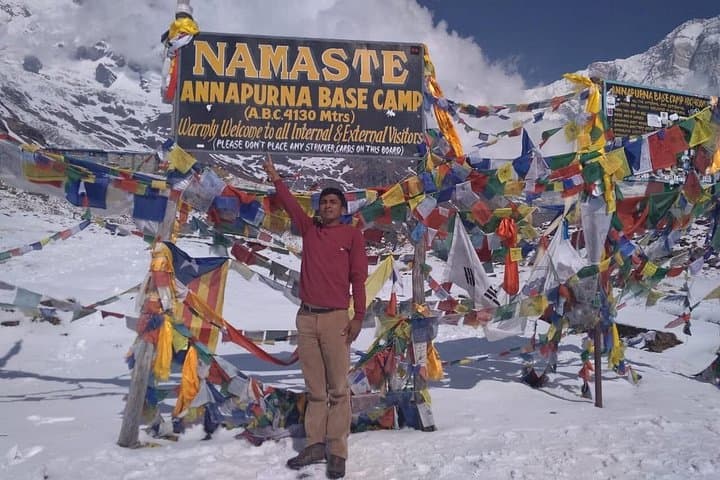

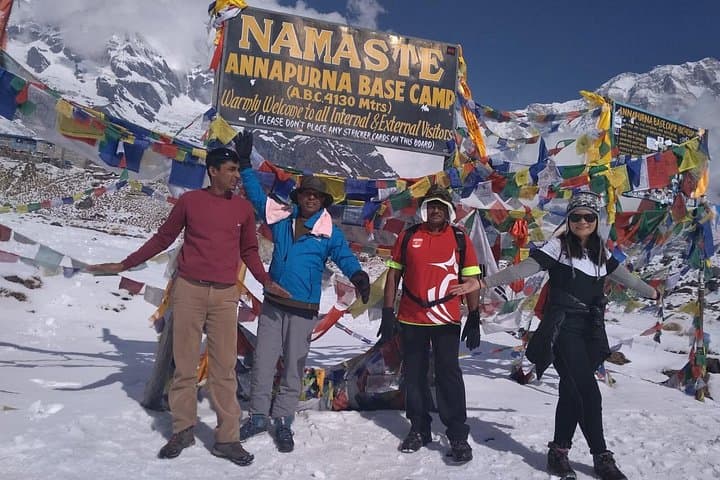
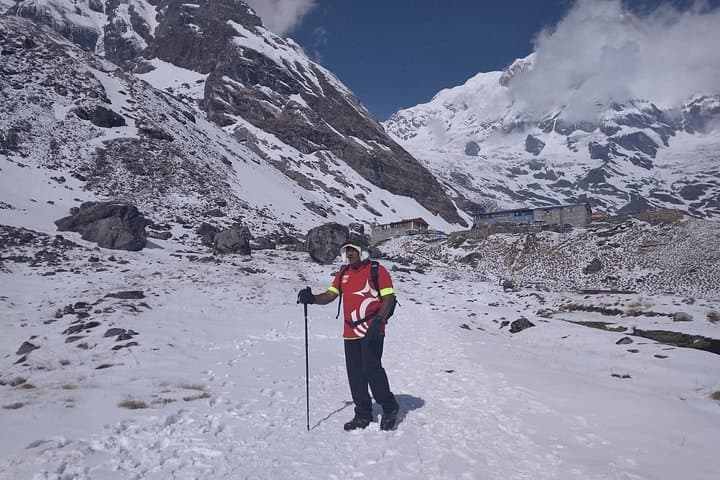
You step from the rhododendron-scented switchbacks into a bowl of rock and sky—Annapurna’s glaciated ridges pressing close, wind carving the thin air. The trail climbs from terraced farmland and Gurung villages through bamboo and oak, opening onto the high amphitheater around Annapurna Base Camp (4,130 m), where the mountain seems to lean in and breathe with you.
You step from the rhododendron-scented switchbacks into a bowl of rock and sky—Annapurna’s glaciated ridges pressing close, wind carving the thin air. The trail climbs from terraced farmland and Gurung villages through bamboo and oak, opening onto the high amphitheater around Annapurna Base Camp (4,130 m), where the mountain seems to lean in and breathe with you.
Geology here speaks of collision: the Indian Plate shoved against Asia to raise the high Himalaya, folding glaciers and moraine into the sanctuary. Culturally, the route passes Ghandruk, a living Gurung community where stone houses and singing tell stories of shepherding and Gurkha service. The trekking pattern is teahouse-style—daily stages of 4–7 hours with simple lodges, shared toilets, and hot dal bhat to refuel.
Expect steady elevation gains—Nayapul (1,070 m) to Ghandruk (1,940 m), then higher marches to Deurali (~3,230 m) and ABC (4,130 m). Acclimatization is built into the itinerary; keep a measured pace and listen to your breathing. Permits (ACAP and TIMS) are required and typically handled by operators. Practical prep: broken-in waterproof boots, layered clothing for freezing nights and sunlit days, plenty of water and a headlamp for early starts.
Time your trek for spring (April–May) or autumn (September–November) for the clearest views; winter is cold and snowfall can close high passes, summer brings monsoon mud. Respect local customs, pack out toilet paper where facilities are lacking, and use porters if you need to limit load. The trail rewards persistence with close-up Himalayan panoramas, steaming hot springs at Jhinu, and the steady, human-scale rhythms of mountain villages.