THE ADVENTURE COLLECTIVE® · Independent discovery and booking for outdoor travel

A classic high‑Himalayan trek that climbs from subtropical valleys into a cirque of 7,000–8,000 m peaks. This 12–15 day route through Gurung villages, rhododendron forests and teahouse lines culminates at Annapurna Base Camp — a close-up, unforgettable mountain bowl.
A classic high‑Himalayan trek that climbs from subtropical valleys into a cirque of 7,000–8,000 m peaks. This 12–15 day route through Gurung villages, rhododendron forests and teahouse lines culminates at Annapurna Base Camp — a close-up, unforgettable mountain bowl.
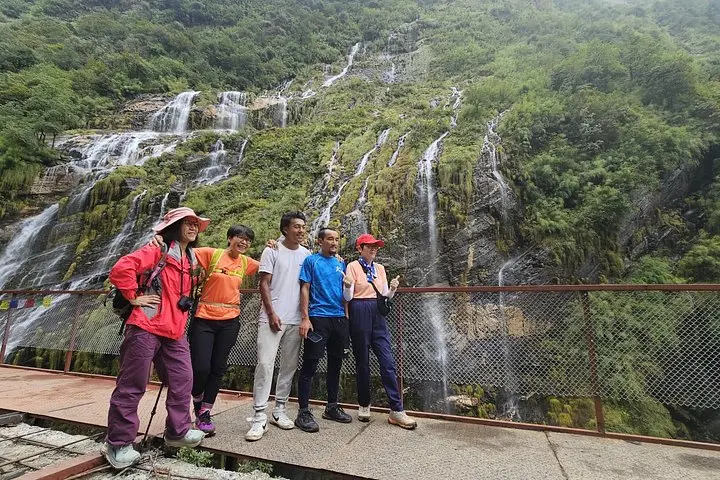
A cold, clear dawn on the trail to Annapurna Base Camp feels deliberate — prayer flags snap, breath fogs the air, and the valley opens like a folded map. You climb through terraced farms and rhododendron woods, cross swinging suspension bridges, then rise into the high amphitheater where granite and glacier meet the sky. At ABC, sharp ridgelines frame a bowl of snow, and the mountains crowd you in every direction.
Verified experiences and guided adventures in the surrounding area.
Operated by Mission Himalaya Trekking · Pokhara, Gandaki Province
A cold, clear dawn on the trail to Annapurna Base Camp feels deliberate — prayer flags snap, breath fogs the air, and the valley opens like a folded map. You climb through terraced farms and rhododendron woods, cross swinging suspension bridges, then rise into the high amphitheater where granite and glacier meet the sky. At ABC, sharp ridgelines frame a bowl of snow, and the mountains crowd you in every direction.
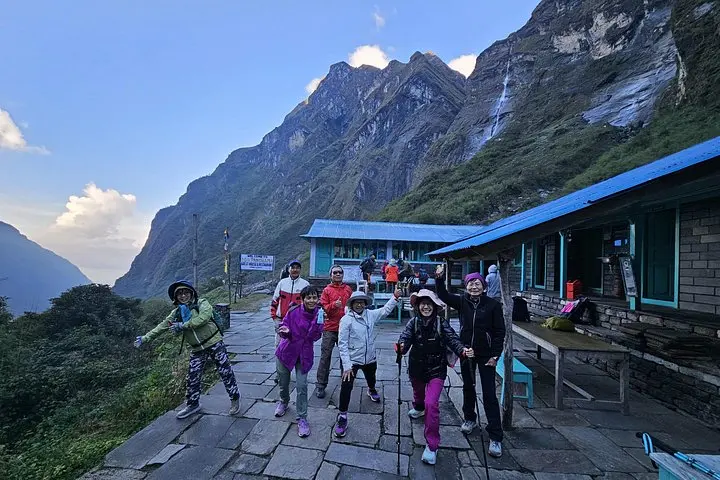
This route threads Gurung and Magar villages, Hindu shrines and Buddhist stupas, and a living history of trade and trans-Himalayan paths. Geologically the Annapurna massif is young and steep, carved by uplift and glacial incision; you’ll see moraines, braided streams, and steep limestone cliffs. Local culture is visible in village life — terraced fields, stone teahouses, and simple guesthouses run by families who have guided these trails for generations.
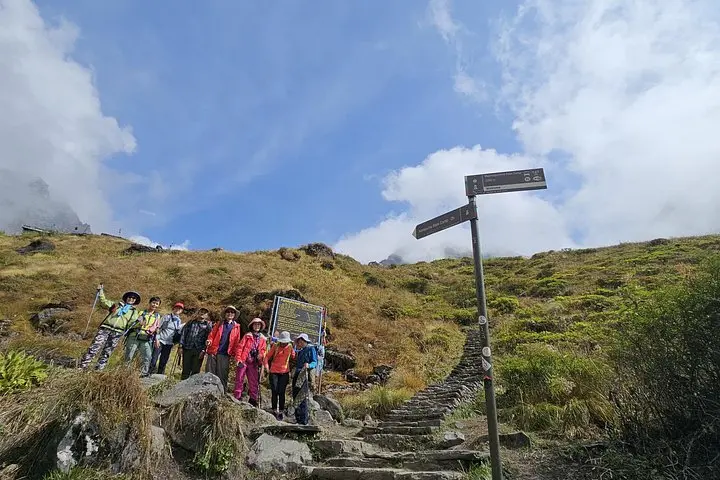
Practical guidance: plan 12–15 days to allow acclimatization; ABC sits above 4,000 m so ascend slowly and watch for altitude symptoms. Permits required: ACAP and TIMS (obtainable in Pokhara). Expect daily hikes of 4–8 hours on mixed stone steps, single-track trails and short scree sections; pack layered clothing, a warm down jacket, and a sleeping bag rated to at least -5°C for high nights. Water treatment and a good pair of broken-in hiking boots matter more than luxury — the trail tests endurance, not flash.
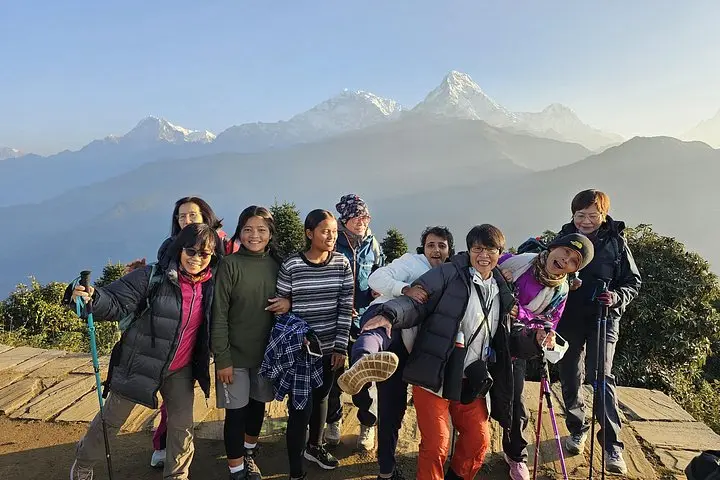
Bring cash for teahouses, hire a licensed guide or porter if you want steadier pacing, and schedule Poon Hill or early-morning viewpoints for sunrise over Annapurna and Dhaulagiri. Respect local customs and the fragile alpine environment — the mountains demand preparedness and reward it with one of the most immediate, high-altitude panoramas in the Himalaya.
Yes — you need an Annapurna Conservation Area Permit (ACAP) and a TIMS card; these are issued in Pokhara or at ACAP check posts.
ABC is around 4,100–4,200 m; with proper acclimatization the risk is manageable but altitude sickness can occur — ascend slowly and descend if symptoms worsen.
Yes — the route is serviced by teahouses and guesthouses offering basic rooms and meals, with improving but limited facilities at higher elevations.
Mid‑September to November (post-monsoon) and March to May (pre-monsoon) offer the most stable weather and best views.
Mission Himalaya Trekking operates guided outdoor trips and adventures with an emphasis on safety, stewardship, and memorable experiences.
A cold, clear dawn on the trail to Annapurna Base Camp feels deliberate — prayer flags snap, breath fogs the air, and the valley opens like a folded map. You climb through terraced farms and rhododendron woods, cross swinging suspension bridges, then rise into the high amphitheater where granite and glacier meet the sky. At ABC, sharp ridgelines frame a bowl of snow, and the mountains crowd you in every direction.
A cold, clear dawn on the trail to Annapurna Base Camp feels deliberate — prayer flags snap, breath fogs the air, and the valley opens like a folded map. You climb through terraced farms and rhododendron woods, cross swinging suspension bridges, then rise into the high amphitheater where granite and glacier meet the sky. At ABC, sharp ridgelines frame a bowl of snow, and the mountains crowd you in every direction.
This route threads Gurung and Magar villages, Hindu shrines and Buddhist stupas, and a living history of trade and trans-Himalayan paths. Geologically the Annapurna massif is young and steep, carved by uplift and glacial incision; you’ll see moraines, braided streams, and steep limestone cliffs. Local culture is visible in village life — terraced fields, stone teahouses, and simple guesthouses run by families who have guided these trails for generations.
Practical guidance: plan 12–15 days to allow acclimatization; ABC sits above 4,000 m so ascend slowly and watch for altitude symptoms. Permits required: ACAP and TIMS (obtainable in Pokhara). Expect daily hikes of 4–8 hours on mixed stone steps, single-track trails and short scree sections; pack layered clothing, a warm down jacket, and a sleeping bag rated to at least -5°C for high nights. Water treatment and a good pair of broken-in hiking boots matter more than luxury — the trail tests endurance, not flash.
Bring cash for teahouses, hire a licensed guide or porter if you want steadier pacing, and schedule Poon Hill or early-morning viewpoints for sunrise over Annapurna and Dhaulagiri. Respect local customs and the fragile alpine environment — the mountains demand preparedness and reward it with one of the most immediate, high-altitude panoramas in the Himalaya.