THE ADVENTURE COLLECTIVE® · Independent discovery and booking for outdoor travel

A 14-day classic with high alpine bowls, Gurung villages and sunrise viewpoints. This guide outlines what to expect on the Annapurna Base Camp trek — terrain, culture, and practical prep to make the ascent safer and more enjoyable.
A 14-day classic with high alpine bowls, Gurung villages and sunrise viewpoints. This guide outlines what to expect on the Annapurna Base Camp trek — terrain, culture, and practical prep to make the ascent safer and more enjoyable.
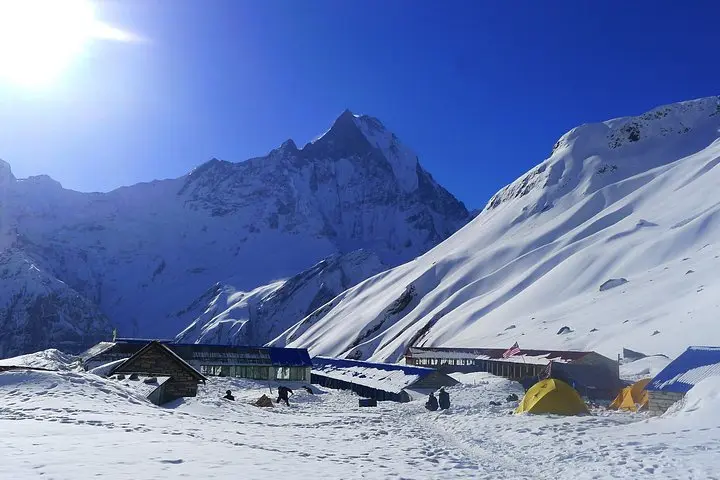
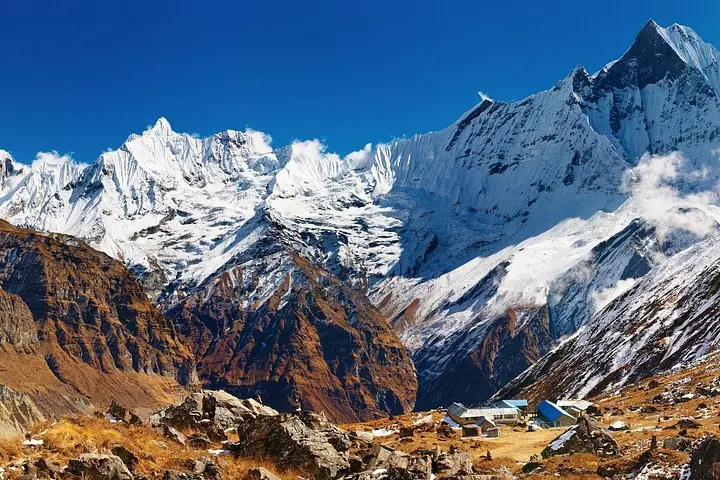
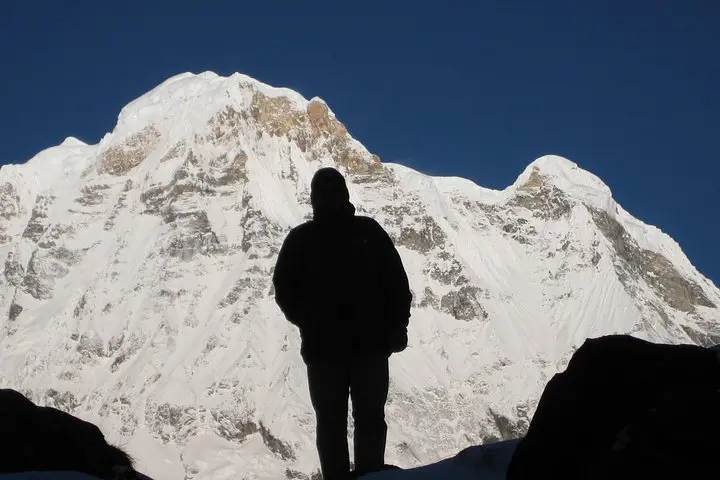
Dawn breaks on a stepped path of damp stone and rhododendron — you climb, breath shortening, until bare rock and a cirque of peaks open above a bowl of glacier-scarred moraine. At 4,130 m the Annapurna Base Camp (ABC) sits like a natural amphitheater, where Machhapuchhre, Annapurna South and Annapurna I frame the sky and the wind seems to push you onward.
Verified experiences and guided adventures in the surrounding area.
Operated by Travel Max Guide · Pokhara, Gandaki Province
Dawn breaks on a stepped path of damp stone and rhododendron — you climb, breath shortening, until bare rock and a cirque of peaks open above a bowl of glacier-scarred moraine. At 4,130 m the Annapurna Base Camp (ABC) sits like a natural amphitheater, where Machhapuchhre, Annapurna South and Annapurna I frame the sky and the wind seems to push you onward.
This classic 14-day route threads Gurung and Magar villages, oak and bamboo forests, and alpine meadows. The corridor runs through terrain shaped by Himalayan uplift and glacial carving; terraces and stone stairways reflect centuries of mountain agriculture and local trailcraft. Cultural notes arrive often — simple tea-house hospitality, small shrines in village squares, and the Gurung museum in Ghandruk that explains local life and wartime histories.
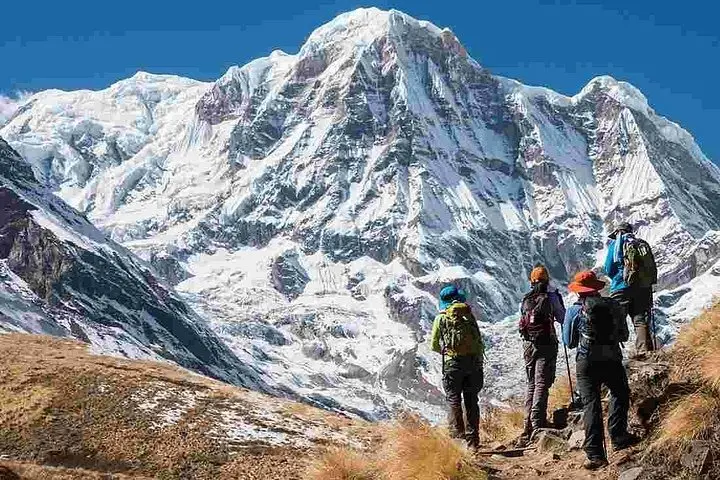
Expect long days on rough, stepped trails (many sections use stone stairs), steady elevation gain and sudden clearings with sweeping views. Weather switches fast — clear morning light can change to wind-driven cloud by afternoon.
Practical edge: plan for proper acclimatization (Poon Hill and an extra rest day help), pack layers for 20–30°C daytime swings in low valleys down to sub-zero at ABC, and carry cash and a power bank — many teahouses accept only cash and have limited charging. Hydrate, pace the ascent, and book permits (ACAP and TIMS) in advance. Lodging is basic teahouse comfort; food is plentiful but simple. The reward is immediate: high-mountain perspective, Himalayan hospitality, and the kind of summitless summit where silence feels earned.
Yes — you must obtain an ACAP permit and a TIMS card; these are typically arranged before the trek or in Pokhara through your operator.
Annapurna Base Camp sits around 4,130 m; mild altitude effects are common — acclimatize, ascend slowly and monitor symptoms closely.
The standard route uses teahouses and lodges with basic meals and rooms; private camping is less common on the classic ABC itinerary.
Fall (Sept–Nov) has the best visibility and weather stability; spring (Mar–May) is also favorable for blooms and clear views.
Travel Max Guide operates guided outdoor trips and adventures with an emphasis on safety, stewardship, and memorable experiences.
Dawn breaks on a stepped path of damp stone and rhododendron — you climb, breath shortening, until bare rock and a cirque of peaks open above a bowl of glacier-scarred moraine. At 4,130 m the Annapurna Base Camp (ABC) sits like a natural amphitheater, where Machhapuchhre, Annapurna South and Annapurna I frame the sky and the wind seems to push you onward.
Dawn breaks on a stepped path of damp stone and rhododendron — you climb, breath shortening, until bare rock and a cirque of peaks open above a bowl of glacier-scarred moraine. At 4,130 m the Annapurna Base Camp (ABC) sits like a natural amphitheater, where Machhapuchhre, Annapurna South and Annapurna I frame the sky and the wind seems to push you onward.
This classic 14-day route threads Gurung and Magar villages, oak and bamboo forests, and alpine meadows. The corridor runs through terrain shaped by Himalayan uplift and glacial carving; terraces and stone stairways reflect centuries of mountain agriculture and local trailcraft. Cultural notes arrive often — simple tea-house hospitality, small shrines in village squares, and the Gurung museum in Ghandruk that explains local life and wartime histories.
Expect long days on rough, stepped trails (many sections use stone stairs), steady elevation gain and sudden clearings with sweeping views. Weather switches fast — clear morning light can change to wind-driven cloud by afternoon.
Practical edge: plan for proper acclimatization (Poon Hill and an extra rest day help), pack layers for 20–30°C daytime swings in low valleys down to sub-zero at ABC, and carry cash and a power bank — many teahouses accept only cash and have limited charging. Hydrate, pace the ascent, and book permits (ACAP and TIMS) in advance. Lodging is basic teahouse comfort; food is plentiful but simple. The reward is immediate: high-mountain perspective, Himalayan hospitality, and the kind of summitless summit where silence feels earned.