THE ADVENTURE COLLECTIVE® · Independent discovery and booking for outdoor travel

A 15-day classic into the Annapurna Sanctuary, this trek threads rhododendron forests, Gurung villages and a glacier-carved amphitheater beneath towering peaks. Expect teahouse nights, steady elevation gain and high-mountain weather—plan for acclimatization and layered gear.
A 15-day classic into the Annapurna Sanctuary, this trek threads rhododendron forests, Gurung villages and a glacier-carved amphitheater beneath towering peaks. Expect teahouse nights, steady elevation gain and high-mountain weather—plan for acclimatization and layered gear.
The first steps leave Pokhara’s humid valley and climb into rhododendron forests where the trail tightens and the air sharpens. By mid-trek, the amphitheater of pale granite and snow—the Annapurna Sanctuary—opens like a raw wound in the range, glaciers and seracs daring you to keep moving toward the basin.
Verified experiences and guided adventures in the surrounding area.
Operated by Nepal Mountain Club Pvt Ltd · Pokhara, Gandaki Province
The first steps leave Pokhara’s humid valley and climb into rhododendron forests where the trail tightens and the air sharpens. By mid-trek, the amphitheater of pale granite and snow—the Annapurna Sanctuary—opens like a raw wound in the range, glaciers and seracs daring you to keep moving toward the basin.
This route crosses landscapes shaped by powerful uplift and glacial carving: deep Modi Khola gorges, terraced Gurung farmlands, and a bowl of peaks including Annapurna I, Machhapuchhre and Hiunchuli. The region’s human story is equal parts trade route and mountain faith; Gurung villages along the lower valleys still practice agriculture and maintain temples and mani walls where pilgrims leave offerings.
On the trail you’ll pass stone teahouses, alpine meadows and moraine-scarred slopes. Nights are spent in simple guesthouses with wood stoves; days are marked by steady elevation gain and panoramic rewards at higher ridgelines. Weather can change rapidly—sun, wind and snow can occur within hours—so plan for layers and an early start to avoid afternoon storms.
Practical essentials: allow 12–15 days to include proper acclimatization, carry a water-treatment method, and expect 4–7 hours of hiking on many days with several 1,000–1,500 m elevation gains across the trek. A local licensed guide and permits (ACAP and TIMS) are required for access and safety. Respect local customs, pack out waste where possible, and pace yourself on the steep ascents—this is high-mountain hiking, not a race.
Yes—ACAP (Annapurna Conservation Area Permit) and a TIMS card are required; guides commonly handle permit processing before the trek.
Fall (Sept–Nov) and spring (Mar–May) offer the most stable weather and clear mountain views; monsoon brings heavy rain and winter can be very cold with snow on high passes.
Expect long days with sustained climbs to 4,090 m; good fitness and gradual acclimatization make the route manageable for experienced hikers.
Teahouses are basic: dorm-style or private rooms, shared bathrooms and hot meals; comforts vary by village and altitude.
Nepal Mountain Club Pvt Ltd operates guided outdoor trips and adventures with an emphasis on safety, stewardship, and memorable experiences.

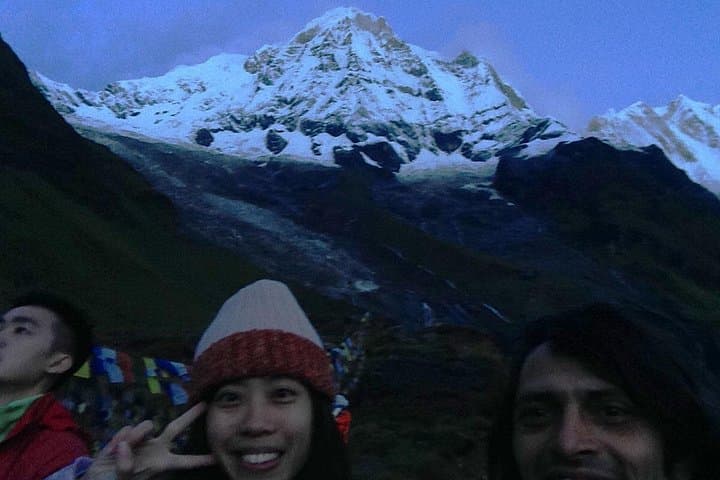
The first steps leave Pokhara’s humid valley and climb into rhododendron forests where the trail tightens and the air sharpens. By mid-trek, the amphitheater of pale granite and snow—the Annapurna Sanctuary—opens like a raw wound in the range, glaciers and seracs daring you to keep moving toward the basin.
The first steps leave Pokhara’s humid valley and climb into rhododendron forests where the trail tightens and the air sharpens. By mid-trek, the amphitheater of pale granite and snow—the Annapurna Sanctuary—opens like a raw wound in the range, glaciers and seracs daring you to keep moving toward the basin.
This route crosses landscapes shaped by powerful uplift and glacial carving: deep Modi Khola gorges, terraced Gurung farmlands, and a bowl of peaks including Annapurna I, Machhapuchhre and Hiunchuli. The region’s human story is equal parts trade route and mountain faith; Gurung villages along the lower valleys still practice agriculture and maintain temples and mani walls where pilgrims leave offerings.
On the trail you’ll pass stone teahouses, alpine meadows and moraine-scarred slopes. Nights are spent in simple guesthouses with wood stoves; days are marked by steady elevation gain and panoramic rewards at higher ridgelines. Weather can change rapidly—sun, wind and snow can occur within hours—so plan for layers and an early start to avoid afternoon storms.
Practical essentials: allow 12–15 days to include proper acclimatization, carry a water-treatment method, and expect 4–7 hours of hiking on many days with several 1,000–1,500 m elevation gains across the trek. A local licensed guide and permits (ACAP and TIMS) are required for access and safety. Respect local customs, pack out waste where possible, and pace yourself on the steep ascents—this is high-mountain hiking, not a race.