THE ADVENTURE COLLECTIVE® · Independent discovery and booking for outdoor travel

A compact, five-day trek from Pokhara to Annapurna Base Camp that climbs through rhododendron forest, traditional Gurung villages and high Himalayan moraines to a 4,130 m glacial amphitheater. Expect tea-house stays, steep stone steps and sunrise views of Machhapuchhre and the Annapurna giants.
A compact, five-day trek from Pokhara to Annapurna Base Camp that climbs through rhododendron forest, traditional Gurung villages and high Himalayan moraines to a 4,130 m glacial amphitheater. Expect tea-house stays, steep stone steps and sunrise views of Machhapuchhre and the Annapurna giants.
Morning light breaks across pine and rhododendron as the trail climbs, and for a few heartbeats you are entirely measured by breath and step: a river dares you to move faster, a moraine pushes the skyline forward. The Annapurna Base Camp trek threads steep stone steps, high suspension bridges and terraced farmland, finishing in a bowl of granite where Annapurna I, Hiunchuli and Machhapuchhre loom like living maps.
Verified experiences and guided adventures in the surrounding area.
Operated by ABC Trek and Tour · Pokhara, Gandaki Province
Morning light breaks across pine and rhododendron as the trail climbs, and for a few heartbeats you are entirely measured by breath and step: a river dares you to move faster, a moraine pushes the skyline forward. The Annapurna Base Camp trek threads steep stone steps, high suspension bridges and terraced farmland, finishing in a bowl of granite where Annapurna I, Hiunchuli and Machhapuchhre loom like living maps.
The route cuts through Gurung and Magar villages whose stone houses and prayer flags reflect a mountain culture shaped by trade, pilgrimage and seasonal farming. Geologically, the Annapurna massif is young Himalayan uplift—jagged schist and granite carved by glaciers—so expect scree slopes, exposed ridgelines and broad moraines near base camp. The valley sits inside the Annapurna Conservation Area, Nepal’s first community-based conservation project, and the tea-house network keeps the route accessible while concentrating visitor impact.
Practical planning: this five-day itinerary from Pokhara gains to ~4,130 m, so pace your ascent, carry layers for dramatic temperature swings, and allow time for the short steep pitches to Machhapuchhre and ABC. Lodges provide meals and basic bedding; bring a warm sleeping bag, water treatment and sturdy boots. Start before dawn on summitward mornings for the best light and calmer weather. Hydrate, monitor for acute mountain sickness, and hire a licensed guide and TIMS/ACAP permits—both required. The reward is immediate: a panoramic basin where the mountains feel close enough to touch and the journey that brought you there still hums in tired legs.
Yes—Annapurna Conservation Area Permit (ACAP) and TIMS are required; guides commonly arrange these before you enter the trailhead.
Spring (Mar–May) and fall (Sep–Nov) offer the clearest weather and rhododendron blooms or stable post-monsoon skies; winter is cold and summer is wet.
ABC sits around 4,130 m; altitude sickness is possible—pace your ascent, stay hydrated and report symptoms to your guide immediately.
Tea houses provide basic twin rooms with shared bathrooms and hot meals (dal bhat, soups, noodles); bring cash as card facilities are limited past Pokhara.
ABC Trek and Tour operates guided outdoor trips and adventures with an emphasis on safety, stewardship, and memorable experiences.
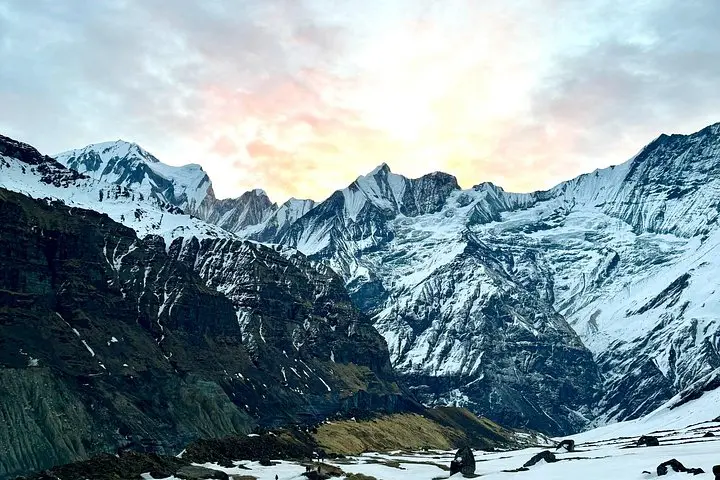
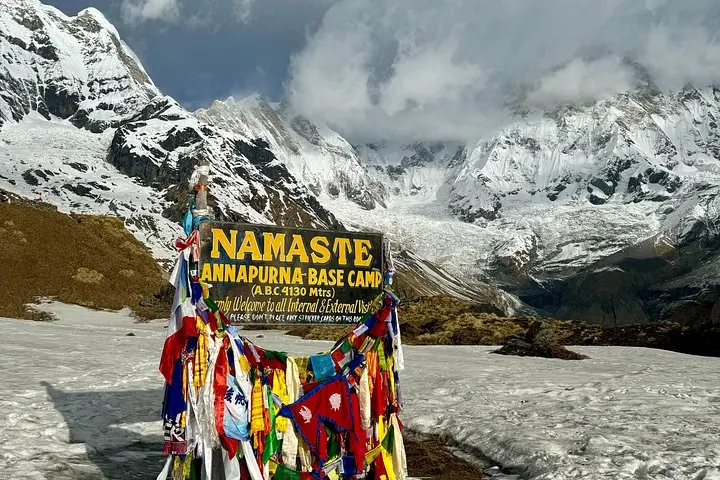
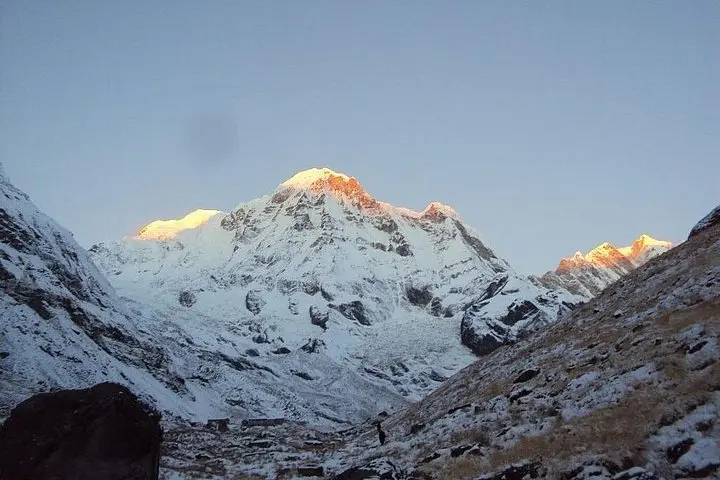
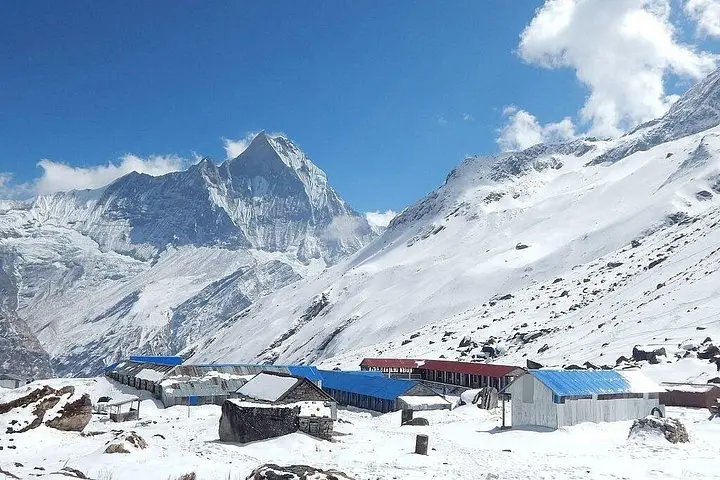
Morning light breaks across pine and rhododendron as the trail climbs, and for a few heartbeats you are entirely measured by breath and step: a river dares you to move faster, a moraine pushes the skyline forward. The Annapurna Base Camp trek threads steep stone steps, high suspension bridges and terraced farmland, finishing in a bowl of granite where Annapurna I, Hiunchuli and Machhapuchhre loom like living maps.
Morning light breaks across pine and rhododendron as the trail climbs, and for a few heartbeats you are entirely measured by breath and step: a river dares you to move faster, a moraine pushes the skyline forward. The Annapurna Base Camp trek threads steep stone steps, high suspension bridges and terraced farmland, finishing in a bowl of granite where Annapurna I, Hiunchuli and Machhapuchhre loom like living maps.
The route cuts through Gurung and Magar villages whose stone houses and prayer flags reflect a mountain culture shaped by trade, pilgrimage and seasonal farming. Geologically, the Annapurna massif is young Himalayan uplift—jagged schist and granite carved by glaciers—so expect scree slopes, exposed ridgelines and broad moraines near base camp. The valley sits inside the Annapurna Conservation Area, Nepal’s first community-based conservation project, and the tea-house network keeps the route accessible while concentrating visitor impact.
Practical planning: this five-day itinerary from Pokhara gains to ~4,130 m, so pace your ascent, carry layers for dramatic temperature swings, and allow time for the short steep pitches to Machhapuchhre and ABC. Lodges provide meals and basic bedding; bring a warm sleeping bag, water treatment and sturdy boots. Start before dawn on summitward mornings for the best light and calmer weather. Hydrate, monitor for acute mountain sickness, and hire a licensed guide and TIMS/ACAP permits—both required. The reward is immediate: a panoramic basin where the mountains feel close enough to touch and the journey that brought you there still hums in tired legs.