THE ADVENTURE COLLECTIVE® · Independent discovery and booking for outdoor travel

A compact five-day trek from Pokhara that climbs into the Annapurna Sanctuary, delivering close-up views of Annapurna and Machhapuchhre. Practical for trekkers with moderate fitness who can manage long days and basic lodge accommodation.
A compact five-day trek from Pokhara that climbs into the Annapurna Sanctuary, delivering close-up views of Annapurna and Machhapuchhre. Practical for trekkers with moderate fitness who can manage long days and basic lodge accommodation.
You step off the jeep at Morgue and the air immediately feels thinner, a cold, pine-scented draft that pushes you up the first stone stair. The trail climbs through a patchwork of rhododendron forest and terraced fields, then tightens into a high valley where the peaks begin to define the skyline — Machhapuchhre’s blade-like profile cutting the light, Annapurna’s bulk brooding to the north.
Verified experiences and guided adventures in the surrounding area.
Operated by Breakfree Adventures Pvt. Ltd. · Pokhara, Gandaki Province
You step off the jeep at Morgue and the air immediately feels thinner, a cold, pine-scented draft that pushes you up the first stone stair. The trail climbs through a patchwork of rhododendron forest and terraced fields, then tightens into a high valley where the peaks begin to define the skyline — Machhapuchhre’s blade-like profile cutting the light, Annapurna’s bulk brooding to the north.
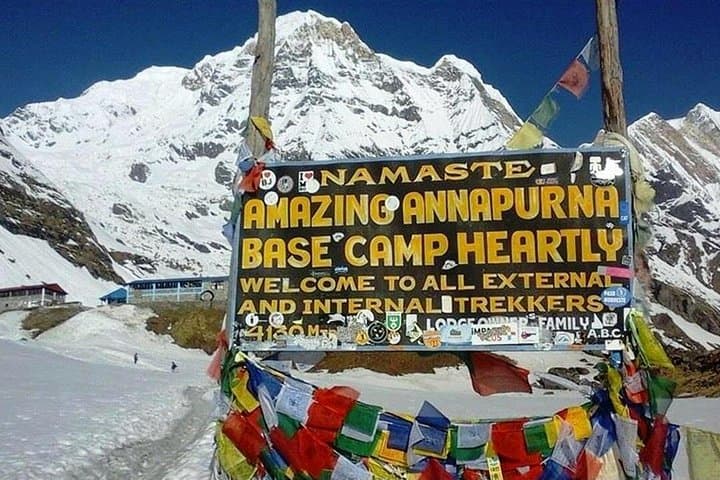
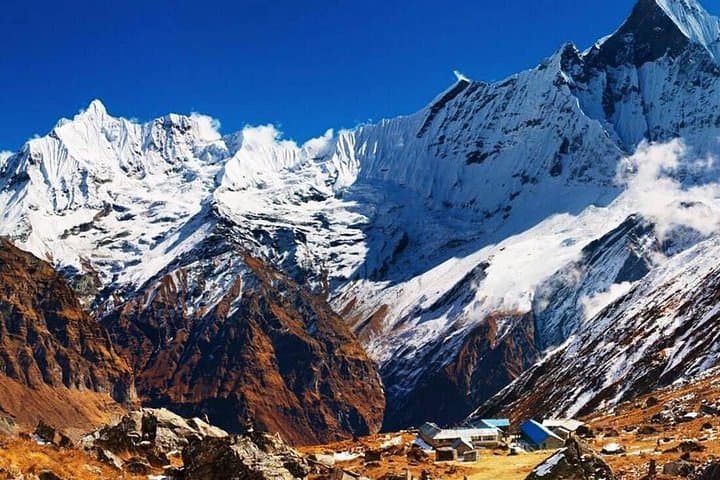
The route threads the Annapurna Sanctuary, a glacial amphitheater carved by ice and centuries of erosion. Local Gurung and Magar villages line lower sections; their stone guesthouses and prayer flags reflect a cultural history of mountain agriculture, trade and Himalayan pilgrimage. Geologically, the corridor moves from softer sedimentary slopes to moraine and scree as you approach the 4,130m base camp, where winter snow lingers and day temperatures can swing dramatically.
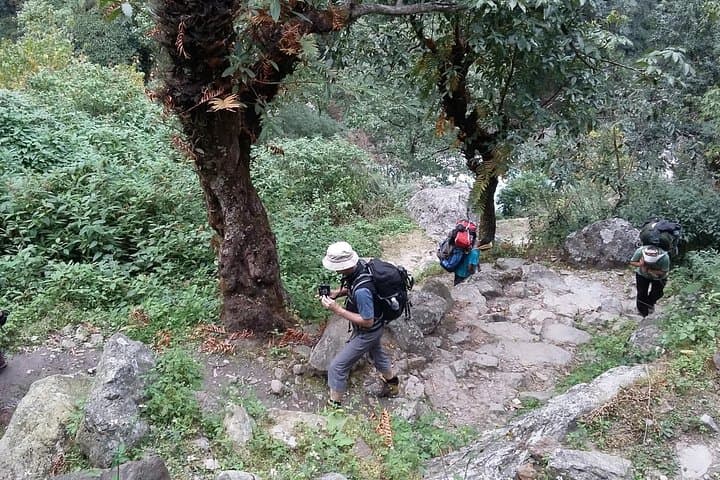
Expect varied terrain: packed dirt, long stone staircases, short steep pitches and an alpine meadow leading into moraine fields at the upper basin. Nights are spent in lodges; daytime hiking typically ranges 4–9 hours depending on the stage.
Practical guidance: plan 5 days with steady pacing and conservative ascent above 3,000m to reduce altitude strain. Bring layered insulation, a reliable waterproof shell, and good ankle-support boots for uneven, stepped trails. Hydrate early and carry a water filter or purification tablets — tea houses sell boiled water but treat accordingly. Start early to avoid afternoon cloud and settle into lodges by late afternoon. Guides and porters are common and useful for navigation and load sharing; permits (ACAP, TIMS) are required and usually handled by operators. With preparation, this trek delivers dramatic summit-close views and an intimate encounter with Annapurna’s high valley.
Yes — Annapurna Conservation Area Permit (ACAP) and a TIMS card are required; operators usually arrange these before departure.
Risk increases above 3,000m; follow slow ascent, stay hydrated, avoid alcohol, and recognize symptoms early — guides can advise and evacuate if needed.
Most itineraries include lodge accommodation and three meals per day during the trek; expect basic rooms with shared bathrooms in smaller settlements.
Guides are strongly recommended for navigation, cultural context, and safety; porters are optional but helpful for carrying heavy packs and supporting acclimatization.
Breakfree Adventures Pvt. Ltd. operates guided outdoor trips and adventures with an emphasis on safety, stewardship, and memorable experiences.
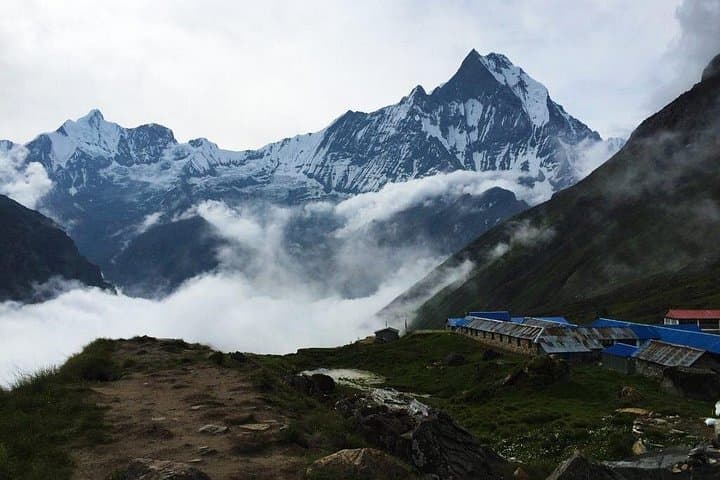
You step off the jeep at Morgue and the air immediately feels thinner, a cold, pine-scented draft that pushes you up the first stone stair. The trail climbs through a patchwork of rhododendron forest and terraced fields, then tightens into a high valley where the peaks begin to define the skyline — Machhapuchhre’s blade-like profile cutting the light, Annapurna’s bulk brooding to the north.
You step off the jeep at Morgue and the air immediately feels thinner, a cold, pine-scented draft that pushes you up the first stone stair. The trail climbs through a patchwork of rhododendron forest and terraced fields, then tightens into a high valley where the peaks begin to define the skyline — Machhapuchhre’s blade-like profile cutting the light, Annapurna’s bulk brooding to the north.
The route threads the Annapurna Sanctuary, a glacial amphitheater carved by ice and centuries of erosion. Local Gurung and Magar villages line lower sections; their stone guesthouses and prayer flags reflect a cultural history of mountain agriculture, trade and Himalayan pilgrimage. Geologically, the corridor moves from softer sedimentary slopes to moraine and scree as you approach the 4,130m base camp, where winter snow lingers and day temperatures can swing dramatically.
Expect varied terrain: packed dirt, long stone staircases, short steep pitches and an alpine meadow leading into moraine fields at the upper basin. Nights are spent in lodges; daytime hiking typically ranges 4–9 hours depending on the stage.
Practical guidance: plan 5 days with steady pacing and conservative ascent above 3,000m to reduce altitude strain. Bring layered insulation, a reliable waterproof shell, and good ankle-support boots for uneven, stepped trails. Hydrate early and carry a water filter or purification tablets — tea houses sell boiled water but treat accordingly. Start early to avoid afternoon cloud and settle into lodges by late afternoon. Guides and porters are common and useful for navigation and load sharing; permits (ACAP, TIMS) are required and usually handled by operators. With preparation, this trek delivers dramatic summit-close views and an intimate encounter with Annapurna’s high valley.