THE ADVENTURE COLLECTIVE® · Independent discovery and booking for outdoor travel

A compact 7–9 day trek from Pokhara to the Annapurna Base Camp that delivers glacier-edge panoramas, rhododendron forests and village hospitality. Expect long walking days, high-altitude mornings and a sunrise worth the climb.
A compact 7–9 day trek from Pokhara to the Annapurna Base Camp that delivers glacier-edge panoramas, rhododendron forests and village hospitality. Expect long walking days, high-altitude mornings and a sunrise worth the climb.
Dawn breaks on a ridge above a grassy meadow and the Annapurna range ignites—cold light slicing across serrated glaciers while prayer flags snap like small voices in the wind.
Verified experiences and guided adventures in the surrounding area.
Operated by Himalayan Partner Treks and Expedition · Pokhara, Gandaki Province
Dawn breaks on a ridge above a grassy meadow and the Annapurna range ignites—cold light slicing across serrated glaciers while prayer flags snap like small voices in the wind.
The Annapurna Base Camp trek walks you through forests of rhododendron and bamboo, down suspension-bridged gorges and up stone stairways carved by generations. Geologically, the trail climbs the southern foothills of the Annapurna Massif, where uplifted sedimentary layers give way to granite spires and permanent ice above 5,000 meters. Culturally, the route threads Gurung and Magar villages—stone houses, slate roofs, and tea-house hospitality that support community economies inside the Annapurna Conservation Area.
This itinerary reaches Annapurna Base Camp at about 4,130 m; expect long walking days (4–8 hours) across mixed terrain—packed dirt, stone steps, and alpine meadow. Weather can flip fast: clear mornings often blanket into afternoon clouds, and the sunrise from ABC is the highlight that draws most trekkers.
Practically, acclimatize gradually, carry a warm down layer for the high camp, and plan day-by-day water and nutrition: lodges provide meals but treat high-altitude hydration seriously. Footwear with ankle support and a good tread matters on the steep, sometimes slippery stairs. Mobile signal is intermittent; guides handle permits (TIMS and ACAP) and logistics. The trek is both a physical challenge and a cultural exchange—pack light, respect local customs, and leave no trace so the mountains keep daring the next traveler.
Yes—trekkers require a TIMS card and Annapurna Conservation Area permit (ACAP); most guides or operators handle these before departure.
Spring (March–May) and autumn (September–November) offer the clearest mountain views and stable weather; winter is colder and summer brings monsoon rain and limited visibility.
Physically demanding but non-technical; beginners with good fitness and proper acclimatization can complete it with a guide and conservative pacing.
Yes—tea-houses and lodges operate along the trail offering basic rooms and cooked meals; services are simpler at higher elevations.
Himalayan Partner Treks and Expedition operates guided outdoor trips and adventures with an emphasis on safety, stewardship, and memorable experiences.
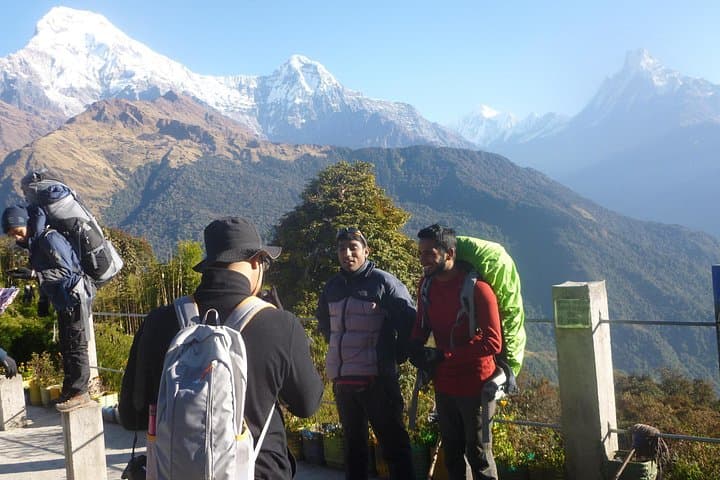
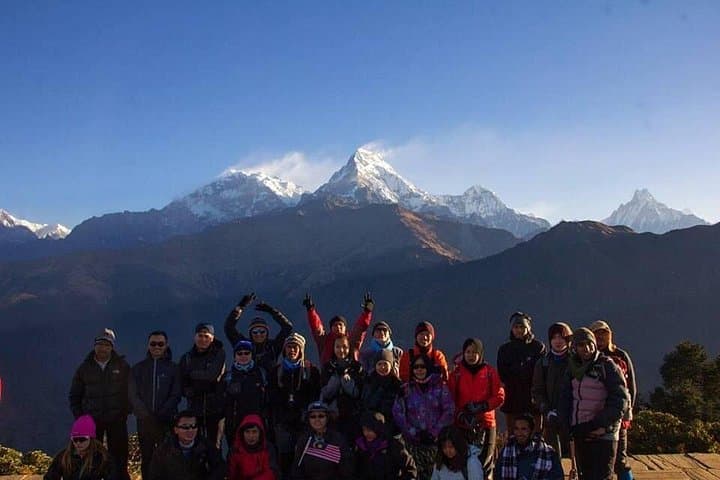
Dawn breaks on a ridge above a grassy meadow and the Annapurna range ignites—cold light slicing across serrated glaciers while prayer flags snap like small voices in the wind.
Dawn breaks on a ridge above a grassy meadow and the Annapurna range ignites—cold light slicing across serrated glaciers while prayer flags snap like small voices in the wind.
The Annapurna Base Camp trek walks you through forests of rhododendron and bamboo, down suspension-bridged gorges and up stone stairways carved by generations. Geologically, the trail climbs the southern foothills of the Annapurna Massif, where uplifted sedimentary layers give way to granite spires and permanent ice above 5,000 meters. Culturally, the route threads Gurung and Magar villages—stone houses, slate roofs, and tea-house hospitality that support community economies inside the Annapurna Conservation Area.
This itinerary reaches Annapurna Base Camp at about 4,130 m; expect long walking days (4–8 hours) across mixed terrain—packed dirt, stone steps, and alpine meadow. Weather can flip fast: clear mornings often blanket into afternoon clouds, and the sunrise from ABC is the highlight that draws most trekkers.
Practically, acclimatize gradually, carry a warm down layer for the high camp, and plan day-by-day water and nutrition: lodges provide meals but treat high-altitude hydration seriously. Footwear with ankle support and a good tread matters on the steep, sometimes slippery stairs. Mobile signal is intermittent; guides handle permits (TIMS and ACAP) and logistics. The trek is both a physical challenge and a cultural exchange—pack light, respect local customs, and leave no trace so the mountains keep daring the next traveler.