THE ADVENTURE COLLECTIVE® · Independent discovery and booking for outdoor travel

A classic high‑Himalayan trek that climbs through rhododendron forests, Gurung villages, and high alpine bowls to reach Annapurna Base Camp. This 12–14 day route balances cultural villages and panoramic glacier views with practical acclimatization stops.
A classic high‑Himalayan trek that climbs through rhododendron forests, Gurung villages, and high alpine bowls to reach Annapurna Base Camp. This 12–14 day route balances cultural villages and panoramic glacier views with practical acclimatization stops.
You step off the dusty jeep at Nayapul and the world narrows to trail, breath, and the steady rise of the ridgeline. Rhododendron forests press close; prayer flags stitch color to sky. Each day opens a new frame—terraced villages, the knife-edge profile of Machhapuchhre, and finally the wide amphitheater of Annapurna Base Camp where glaciers and moraine crowd into a raw, high-altitude bowl.
Verified experiences and guided adventures in the surrounding area.
Operated by Mission Summit Treks And Expedition · Pokhara, Gandaki Province
You step off the dusty jeep at Nayapul and the world narrows to trail, breath, and the steady rise of the ridgeline. Rhododendron forests press close; prayer flags stitch color to sky. Each day opens a new frame—terraced villages, the knife-edge profile of Machhapuchhre, and finally the wide amphitheater of Annapurna Base Camp where glaciers and moraine crowd into a raw, high-altitude bowl.
The route threads the Annapurna Conservation Area, Nepal's first and largest protected zone, where Gurung and Magar communities have lived for centuries. Geologically this is young, tectonic country—uplifted Himalaya sliced by glacial cirques and steep river valleys. Routes follow age-old mule tracks and modern teahouse networks carved into steep slopes; Poon Hill remains a cultural waypoint for sunrise views and local trade.
Practicalities shape the pace: plan 12–14 days to allow acclimatization and a Poon Hill sunrise detour. You need an ACAP permit and a TIMS card; ports and teahouses handle basics but pack layers for nights below freezing. Trails vary from firm stone steps to loose scree approaching the sanctuary—trekking poles help protect knees. Hydrate, watch for altitude symptoms above 3,000–3,500 m, and favor gradual ascent days (Deurali is a common overnight before the final push).
Best seasons are spring and autumn for stable weather; monsoon brings green valleys and leeches, winter brings clear skies but hard nights. Hiring a guide or porter is common and supports local economies—expect communal meals, shared rooms, and simple comforts that make the high country accessible without technical climbing skills.
Yes—an ACAP permit and a TIMS card are required; these are typically arranged in Pokhara or via your operator before departure.
Annapurna Base Camp sits around 4,130 m; acclimatization days and a gradual ascent profile are important to reduce risk of acute mountain sickness.
No—this is a non‑technical trek along trails and moraine; basic trekking fitness and comfortable boots are the main requirements.
Teahouses provide simple dorm or twin rooms and set meals (dal bhat, noodles, soups); facilities become more rustic as you gain altitude.
Mission Summit Treks And Expedition operates guided outdoor trips and adventures with an emphasis on safety, stewardship, and memorable experiences.
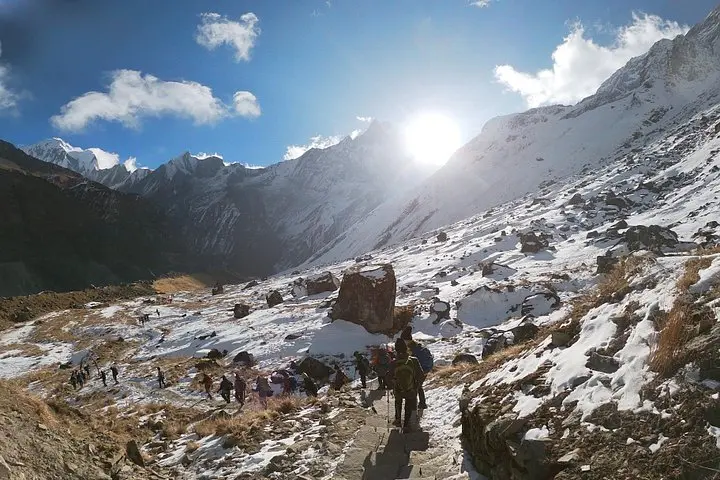
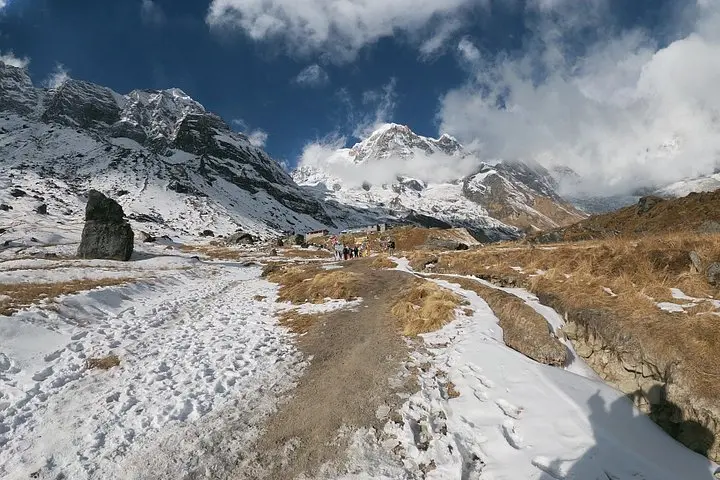
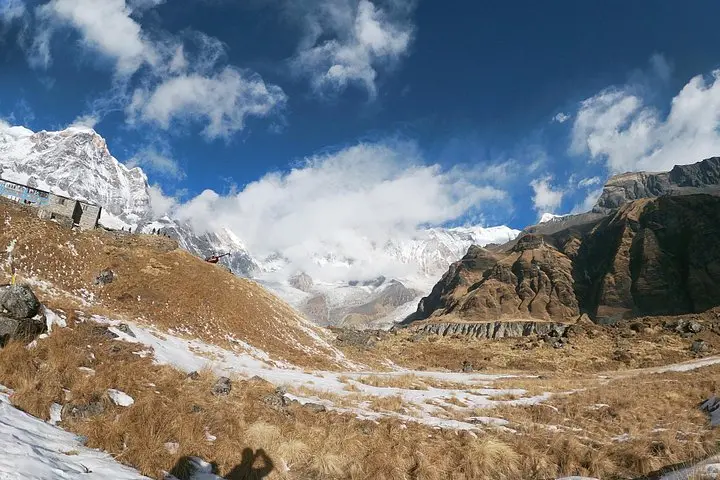
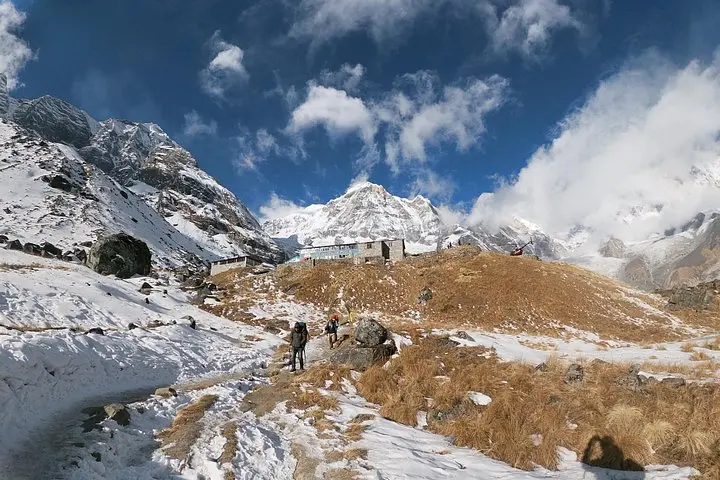
You step off the dusty jeep at Nayapul and the world narrows to trail, breath, and the steady rise of the ridgeline. Rhododendron forests press close; prayer flags stitch color to sky. Each day opens a new frame—terraced villages, the knife-edge profile of Machhapuchhre, and finally the wide amphitheater of Annapurna Base Camp where glaciers and moraine crowd into a raw, high-altitude bowl.
You step off the dusty jeep at Nayapul and the world narrows to trail, breath, and the steady rise of the ridgeline. Rhododendron forests press close; prayer flags stitch color to sky. Each day opens a new frame—terraced villages, the knife-edge profile of Machhapuchhre, and finally the wide amphitheater of Annapurna Base Camp where glaciers and moraine crowd into a raw, high-altitude bowl.
The route threads the Annapurna Conservation Area, Nepal's first and largest protected zone, where Gurung and Magar communities have lived for centuries. Geologically this is young, tectonic country—uplifted Himalaya sliced by glacial cirques and steep river valleys. Routes follow age-old mule tracks and modern teahouse networks carved into steep slopes; Poon Hill remains a cultural waypoint for sunrise views and local trade.
Practicalities shape the pace: plan 12–14 days to allow acclimatization and a Poon Hill sunrise detour. You need an ACAP permit and a TIMS card; ports and teahouses handle basics but pack layers for nights below freezing. Trails vary from firm stone steps to loose scree approaching the sanctuary—trekking poles help protect knees. Hydrate, watch for altitude symptoms above 3,000–3,500 m, and favor gradual ascent days (Deurali is a common overnight before the final push).
Best seasons are spring and autumn for stable weather; monsoon brings green valleys and leeches, winter brings clear skies but hard nights. Hiring a guide or porter is common and supports local economies—expect communal meals, shared rooms, and simple comforts that make the high country accessible without technical climbing skills.