THE ADVENTURE COLLECTIVE® · Independent discovery and booking for outdoor travel

An 11-day trek from Kathmandu to Annapurna Base Camp via Poon Hill and Machhapuchchhre Base Camp, combining high-mountain panoramas, teahouse stays, and cultural encounters in Gurung villages. Expect steep stone trails, basic lodges, and required permits.
An 11-day trek from Kathmandu to Annapurna Base Camp via Poon Hill and Machhapuchchhre Base Camp, combining high-mountain panoramas, teahouse stays, and cultural encounters in Gurung villages. Expect steep stone trails, basic lodges, and required permits.
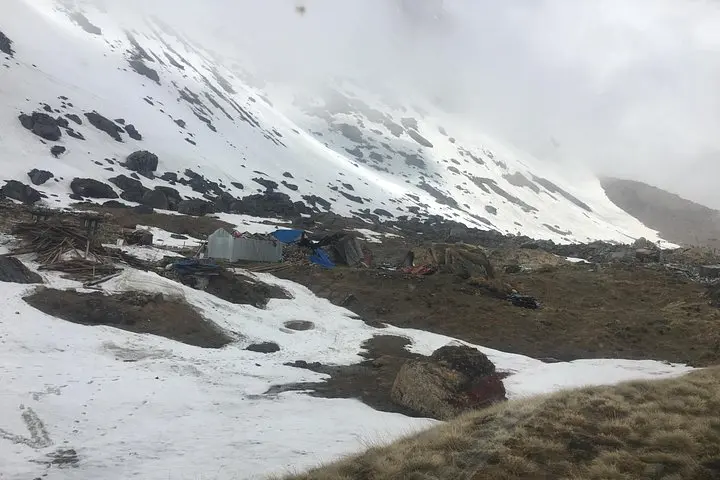
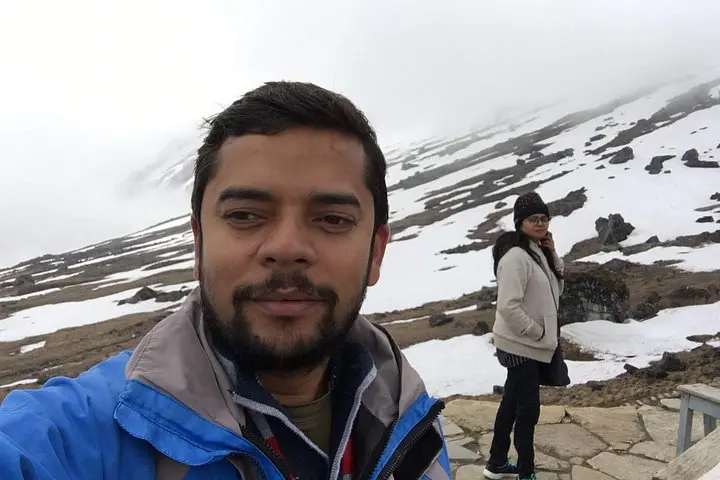
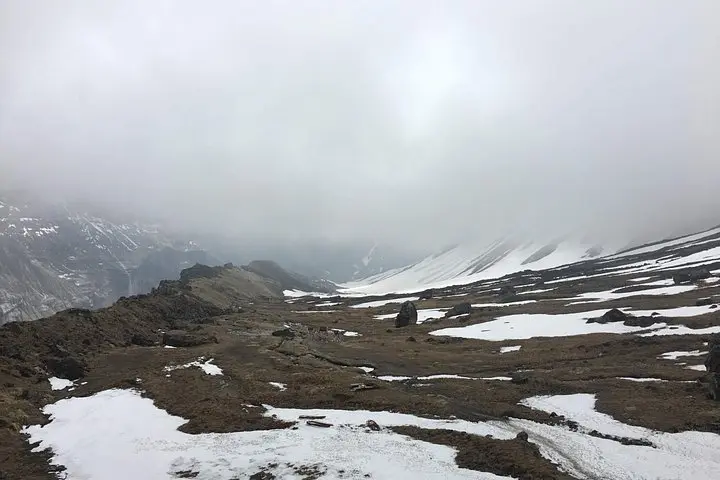
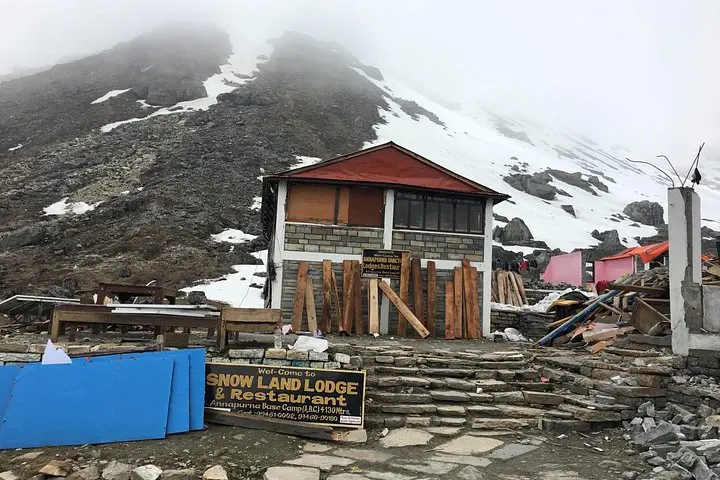
A cold, alpine dawn arrives over terraced slopes as the coach eases out of Kathmandu and the road opens toward Pokhara; by evening the lake’s reflection calms the nerves before the trail begins. Over the next eleven days the route climbs from subtropical rhododendron forest through fir and birch to the stony amphitheatre of Annapurna Base Camp (approx. 4,130 m), with a detour to Machhapuchchhre (Fishtail) Base Camp along the way.
Verified experiences and guided adventures in the surrounding area.
Operated by Fewa Trail Treks and Expedition Pvt Ltd · Pokhara, Gandaki Province
A cold, alpine dawn arrives over terraced slopes as the coach eases out of Kathmandu and the road opens toward Pokhara; by evening the lake’s reflection calms the nerves before the trail begins. Over the next eleven days the route climbs from subtropical rhododendron forest through fir and birch to the stony amphitheatre of Annapurna Base Camp (approx. 4,130 m), with a detour to Machhapuchchhre (Fishtail) Base Camp along the way.
The Annapurna massif is a young fold of the greater Himalaya, lifted by tectonic collision; glaciers and seasonal streams have carved a steep-sided sanctuary that has long supported Gurung and Magar villages. Along the trail classic vernacular stone-and-timber lodges host trekkers and preserve local foodways—dal bhat, buffalo tea, and tales of mountain pilgrimage. Geological layers reveal moraines, glacial-polished rock, and abrupt ridgelines that channel weather fast and furiously; ridges dare hikers to keep moving when clouds thicken.
Practically, this is a high-altitude trekking route, not technical climbing. Expect long uphill days of 4–8 hours between lodges, uneven stone steps, and basic but reliable teahouse accommodation. Acclimatization days (Ghorepani/Poon Hill and lower nights in Pokhara) and a certified guide or porter are standard; permits (TIMS and Annapurna Conservation Area entry) are required. Pack for rapidly changing conditions—sun, rain, and freezing nights—and plan water, footwear, and pacing to reduce altitude risk. The reward is expansive snow shoulders, accessible mountain theatre, and the simple rhythm of trail life under the Annapurna peaks.
Yes—trekkers must carry a TIMS card and an Annapurna Conservation Area Permit (ACAP); guides or organizers typically arrange these before the trailhead.
The highest overnight is about 4,130 m at ABC; proper acclimatization, slow ascent, and awareness of symptoms are essential—descend immediately if moderate-to-severe symptoms develop.
Teahouse lodges provide basic dorm-style rooms or private rooms with shared facilities; meals are simple mountain fare—dal bhat, noodles, soups—often cooked to order.
Guides are strongly recommended for safety, navigation, and permit handling; porters are common and useful for carrying bags within agreed weight limits.
Fewa Trail Treks and Expedition Pvt Ltd operates guided outdoor trips and adventures with an emphasis on safety, stewardship, and memorable experiences.
A cold, alpine dawn arrives over terraced slopes as the coach eases out of Kathmandu and the road opens toward Pokhara; by evening the lake’s reflection calms the nerves before the trail begins. Over the next eleven days the route climbs from subtropical rhododendron forest through fir and birch to the stony amphitheatre of Annapurna Base Camp (approx. 4,130 m), with a detour to Machhapuchchhre (Fishtail) Base Camp along the way.
A cold, alpine dawn arrives over terraced slopes as the coach eases out of Kathmandu and the road opens toward Pokhara; by evening the lake’s reflection calms the nerves before the trail begins. Over the next eleven days the route climbs from subtropical rhododendron forest through fir and birch to the stony amphitheatre of Annapurna Base Camp (approx. 4,130 m), with a detour to Machhapuchchhre (Fishtail) Base Camp along the way.
The Annapurna massif is a young fold of the greater Himalaya, lifted by tectonic collision; glaciers and seasonal streams have carved a steep-sided sanctuary that has long supported Gurung and Magar villages. Along the trail classic vernacular stone-and-timber lodges host trekkers and preserve local foodways—dal bhat, buffalo tea, and tales of mountain pilgrimage. Geological layers reveal moraines, glacial-polished rock, and abrupt ridgelines that channel weather fast and furiously; ridges dare hikers to keep moving when clouds thicken.
Practically, this is a high-altitude trekking route, not technical climbing. Expect long uphill days of 4–8 hours between lodges, uneven stone steps, and basic but reliable teahouse accommodation. Acclimatization days (Ghorepani/Poon Hill and lower nights in Pokhara) and a certified guide or porter are standard; permits (TIMS and Annapurna Conservation Area entry) are required. Pack for rapidly changing conditions—sun, rain, and freezing nights—and plan water, footwear, and pacing to reduce altitude risk. The reward is expansive snow shoulders, accessible mountain theatre, and the simple rhythm of trail life under the Annapurna peaks.