THE ADVENTURE COLLECTIVE® · Independent discovery and booking for outdoor travel

A classic Himalayan journey from Kathmandu to the Annapurna Sanctuary, this 12–14 day lodge-to-lodge trek climbs through rhododendron forests to a high alpine amphitheater at 4,130 m. Expect steep stone steps, suspension bridges, and sunrise panoramas from Poon Hill and Annapurna Base Camp.
A classic Himalayan journey from Kathmandu to the Annapurna Sanctuary, this 12–14 day lodge-to-lodge trek climbs through rhododendron forests to a high alpine amphitheater at 4,130 m. Expect steep stone steps, suspension bridges, and sunrise panoramas from Poon Hill and Annapurna Base Camp.
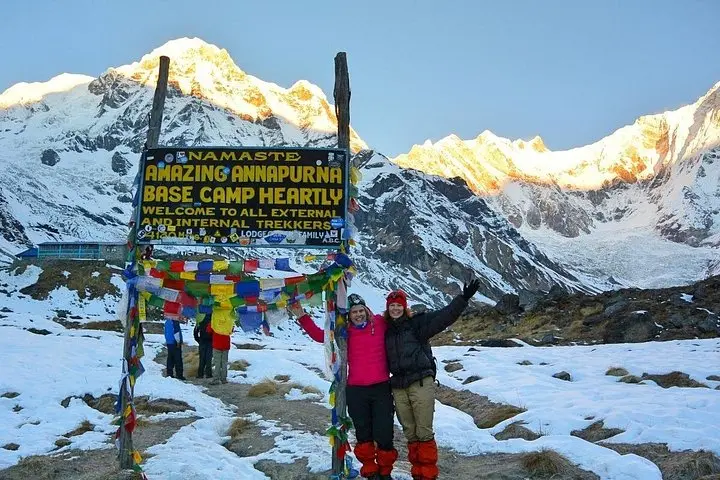
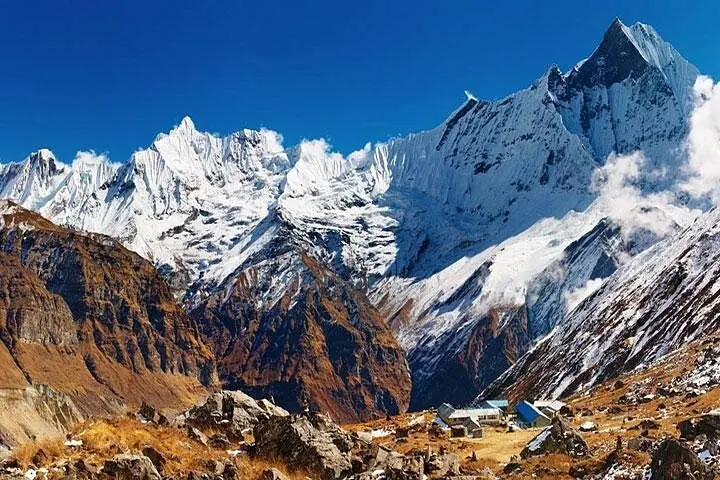
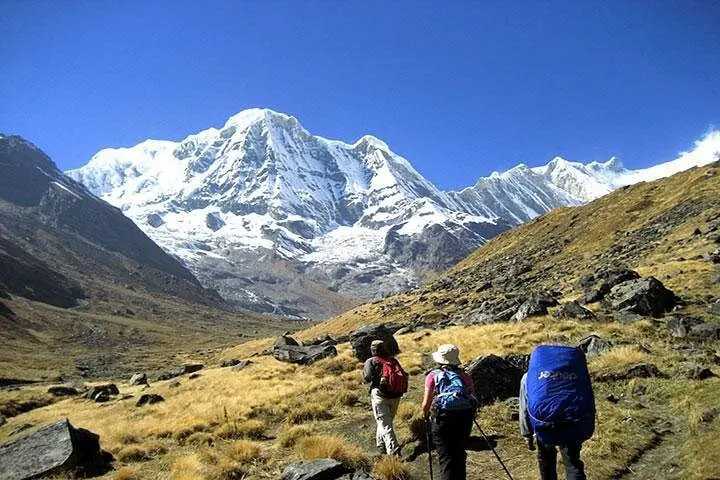
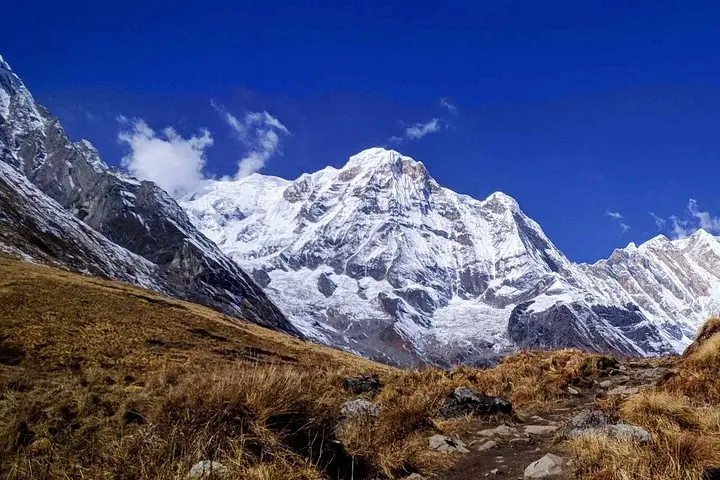
Dawn breaks cold and clear above a bowl of granite peaks; the trail narrows to a rib of packed earth where trekkers and mules thread between rhododendron and bamboo. By mid-morning the valley opens and the Annapurna massif towers, a ring of snow that seems to push the sky wider. This is the Annapurna Base Camp trek: long days, changing climates, and a reward of high-altitude amphitheater views.
Verified experiences and guided adventures in the surrounding area.
Operated by Liberty Holidays · Pokhara, Gandaki Province
Dawn breaks cold and clear above a bowl of granite peaks; the trail narrows to a rib of packed earth where trekkers and mules thread between rhododendron and bamboo. By mid-morning the valley opens and the Annapurna massif towers, a ring of snow that seems to push the sky wider. This is the Annapurna Base Camp trek: long days, changing climates, and a reward of high-altitude amphitheater views.
Geologically the route follows the Modi Khola, carved by glacial melt and springs, exposing layered metamorphic rocks that feed fertile terraces below. Culturally the trail crosses Gurung and Magar villages—tea houses, prayer flags, and the steady rhythm of porter life bring human scale to the high landscape. The region sits inside the Annapurna Conservation Area, where community-based lodges and guided permitting help protect fragile alpine meadows and rare flora.
Practically, expect 10–14 days of lodge-to-lodge hiking with stretches of steep stone steps, suspension-bridge crossings, and single-track forest paths; the highest point is around 4,130 m (Annapurna Base Camp). Altitude acclimatization is non-negotiable: plan rest days and watch for symptoms of AMS. Pack layered clothing for swings from hot valley days to sub-freezing nights, bring a water-treatment method, and hire an experienced guide if you’re unfamiliar with high-altitude trekking. Start early on summit views (Poon Hill is popular for sunrise), keep daily mileage conservative, and carry travel insurance that covers emergency evacuation. The route is demanding but intensely manageable for fit, prepared hikers—its reward is an up-close encounter with some of the Himalaya’s most dramatic faces.
Yes—trekkers need an Annapurna Conservation Area Permit (ACAP) and a TIMS card; these are arranged before or at the start in Kathmandu or Pokhara.
Spring (March–May) and autumn (September–November) offer the most stable weather and clear mountain views; monsoon months can be muddy and winter brings snow at higher elevations.
Yes—the trek is lodge-to-lodge with basic rooms and shared facilities; food quality improves in larger villages but expect simple meals and hot drinks at higher camps.
Altitude sickness can occur above 3,000 m; with sensible pacing, hydration, and at least one acclimatization day, most trekkers manage fine—seek medical descent if symptoms persist.
Liberty Holidays operates guided outdoor trips and adventures with an emphasis on safety, stewardship, and memorable experiences.
Dawn breaks cold and clear above a bowl of granite peaks; the trail narrows to a rib of packed earth where trekkers and mules thread between rhododendron and bamboo. By mid-morning the valley opens and the Annapurna massif towers, a ring of snow that seems to push the sky wider. This is the Annapurna Base Camp trek: long days, changing climates, and a reward of high-altitude amphitheater views.
Dawn breaks cold and clear above a bowl of granite peaks; the trail narrows to a rib of packed earth where trekkers and mules thread between rhododendron and bamboo. By mid-morning the valley opens and the Annapurna massif towers, a ring of snow that seems to push the sky wider. This is the Annapurna Base Camp trek: long days, changing climates, and a reward of high-altitude amphitheater views.
Geologically the route follows the Modi Khola, carved by glacial melt and springs, exposing layered metamorphic rocks that feed fertile terraces below. Culturally the trail crosses Gurung and Magar villages—tea houses, prayer flags, and the steady rhythm of porter life bring human scale to the high landscape. The region sits inside the Annapurna Conservation Area, where community-based lodges and guided permitting help protect fragile alpine meadows and rare flora.
Practically, expect 10–14 days of lodge-to-lodge hiking with stretches of steep stone steps, suspension-bridge crossings, and single-track forest paths; the highest point is around 4,130 m (Annapurna Base Camp). Altitude acclimatization is non-negotiable: plan rest days and watch for symptoms of AMS. Pack layered clothing for swings from hot valley days to sub-freezing nights, bring a water-treatment method, and hire an experienced guide if you’re unfamiliar with high-altitude trekking. Start early on summit views (Poon Hill is popular for sunrise), keep daily mileage conservative, and carry travel insurance that covers emergency evacuation. The route is demanding but intensely manageable for fit, prepared hikers—its reward is an up-close encounter with some of the Himalaya’s most dramatic faces.