THE ADVENTURE COLLECTIVE® · Independent discovery and booking for outdoor travel

A classic 10-day tea-house trek from Pokhara to Annapurna Base Camp, this route moves from terraced farms through rhododendron forest into the glacial amphitheater of ABC. Expect steep stone steps, high-altitude views, and rustic guesthouse nights.
A classic 10-day tea-house trek from Pokhara to Annapurna Base Camp, this route moves from terraced farms through rhododendron forest into the glacial amphitheater of ABC. Expect steep stone steps, high-altitude views, and rustic guesthouse nights.
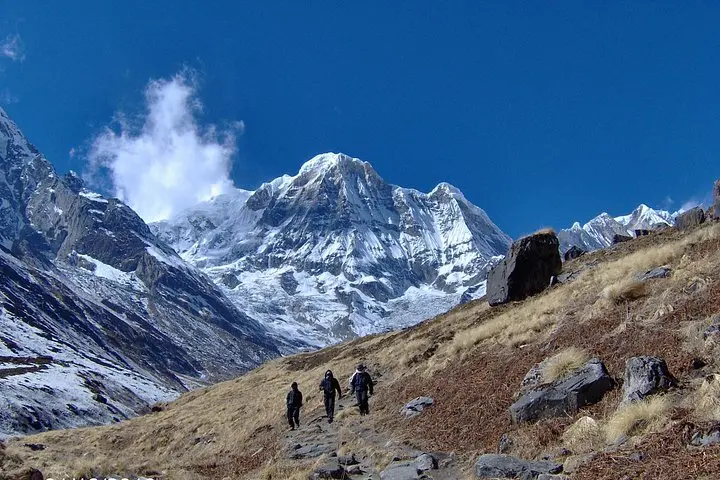
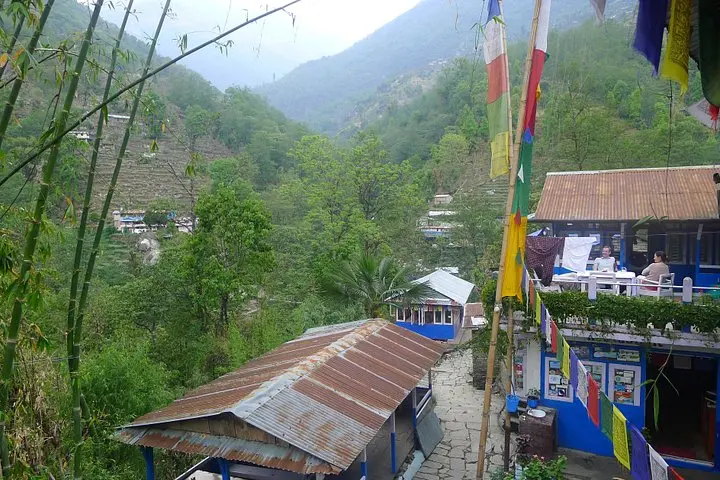
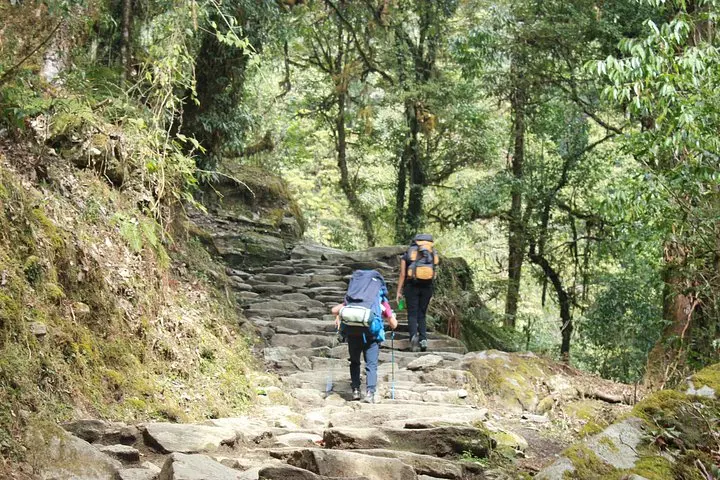
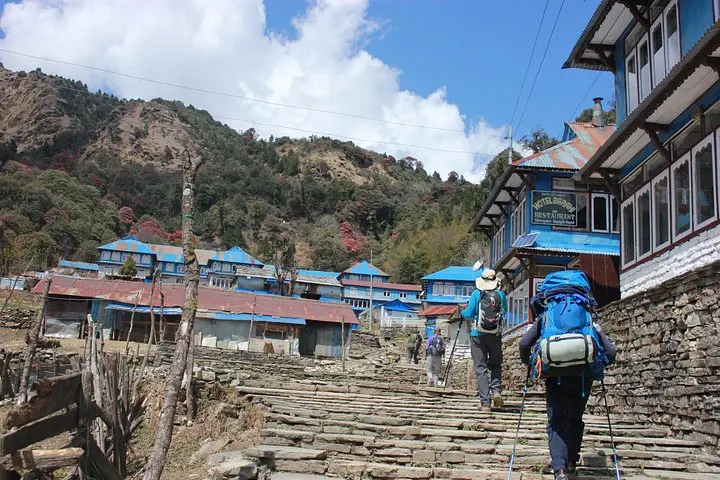
Morning light in the Annapurna Sanctuary cuts across bowl-shaped glaciers and serrated peaks, and the trail from Pokhara threads through terraced villages, rhododendron forests and steep stone steps that test ankles and resolve.
Verified experiences and guided adventures in the surrounding area.
Operated by Himalayan Advisor Pvt. Ltd. · Pokhara, Gandaki Province
Morning light in the Annapurna Sanctuary cuts across bowl-shaped glaciers and serrated peaks, and the trail from Pokhara threads through terraced villages, rhododendron forests and steep stone steps that test ankles and resolve.
This 10-day route climbs from the rice terraces of the Pokhara valley to Annapurna Base Camp (4,130 m), crossing villages inhabited largely by Gurung and Magar communities. Geologically the Sanctuary is a glacial amphitheater carved into granite and metamorphic bedrock; the moraine-rimmed bowl at ABC gives an immediate, close-up view of Annapurna I and Machapuchare. Along the way trekkers move from humid subtropical foothills into montane forest and finally alpine scree, passing seasonal shepherd pastures and small tea-house settlements that grew around trade and portering routes.
Expect long days on uneven trails—frequent stone steps, occasional muddy stretches and river crossings on suspension bridges. Wildlife is subtle: look for pheasants and hoofed mammals in early morning light. Cultural encounters are a highlight; tea houses offer simple meals and conversation, and local hospitality keeps the route lightweight compared with carrying camping gear.
Practically: allow time for acclimatization (Poon Hill is a useful acclimatization sunrise stop), hike 5–8 hours on major days, and prepare for rapid temperature swings at altitude. Hydrate, carry a warm sleeping bag rated to -10°C for high nights, and use trekking poles on descents. Permits (TIMS and ACAP) and an experienced guide are standard—both for safety and to enrich your route knowledge. Plan buffer days for weather; the Sanctuary can hold snow through spring and re-freeze quickly after storms.
A licensed guide is strongly recommended for navigation, permit requirements (ACAP/TIMS), acclimatization management and to enhance local cultural context.
Trekkers need the Annapurna Conservation Area Permit (ACAP) and TIMS card; guides or operators typically handle paperwork before departure.
Pre- and post-monsoon windows—spring (March–May) and autumn (September–November)—offer the most stable weather and clearer mountain views.
Expect long uphill days, sustained elevation gain to 4,130 m and several multi-hour days; prior multi-day hiking experience and cardiovascular fitness are important.
Himalayan Advisor Pvt. Ltd. operates guided outdoor trips and adventures with an emphasis on safety, stewardship, and memorable experiences.
Morning light in the Annapurna Sanctuary cuts across bowl-shaped glaciers and serrated peaks, and the trail from Pokhara threads through terraced villages, rhododendron forests and steep stone steps that test ankles and resolve.
Morning light in the Annapurna Sanctuary cuts across bowl-shaped glaciers and serrated peaks, and the trail from Pokhara threads through terraced villages, rhododendron forests and steep stone steps that test ankles and resolve.
This 10-day route climbs from the rice terraces of the Pokhara valley to Annapurna Base Camp (4,130 m), crossing villages inhabited largely by Gurung and Magar communities. Geologically the Sanctuary is a glacial amphitheater carved into granite and metamorphic bedrock; the moraine-rimmed bowl at ABC gives an immediate, close-up view of Annapurna I and Machapuchare. Along the way trekkers move from humid subtropical foothills into montane forest and finally alpine scree, passing seasonal shepherd pastures and small tea-house settlements that grew around trade and portering routes.
Expect long days on uneven trails—frequent stone steps, occasional muddy stretches and river crossings on suspension bridges. Wildlife is subtle: look for pheasants and hoofed mammals in early morning light. Cultural encounters are a highlight; tea houses offer simple meals and conversation, and local hospitality keeps the route lightweight compared with carrying camping gear.
Practically: allow time for acclimatization (Poon Hill is a useful acclimatization sunrise stop), hike 5–8 hours on major days, and prepare for rapid temperature swings at altitude. Hydrate, carry a warm sleeping bag rated to -10°C for high nights, and use trekking poles on descents. Permits (TIMS and ACAP) and an experienced guide are standard—both for safety and to enrich your route knowledge. Plan buffer days for weather; the Sanctuary can hold snow through spring and re-freeze quickly after storms.