THE ADVENTURE COLLECTIVE® · Independent discovery and booking for outdoor travel

Walk from the low riverbanks of Nayapul to the open amphitheater of Annapurna Base Camp over 12 days. This classic trek pairs the Poon Hill sunrise with a high-altitude finish in the Annapurna Sanctuary—teahouse stays, local villages, and dramatic mountain views.
Walk from the low riverbanks of Nayapul to the open amphitheater of Annapurna Base Camp over 12 days. This classic trek pairs the Poon Hill sunrise with a high-altitude finish in the Annapurna Sanctuary—teahouse stays, local villages, and dramatic mountain views.
Dawn in Pokhara smells of diesel and fresh tea; you load the bus and watch terraced hills slide by as the road drops toward Nayapul, the true trailhead. The path follows the Modi and Bhurungdi Khola, threads through oak and rhododendron, and climbs stone steps to villages where children call out and tea-house kettles hiss. At Poon Hill, the sun edges up over Dhaulagiri and Machhapuchhre — a raw, cold line of peaks that frames the route to the Sanctuary.
Verified experiences and guided adventures in the surrounding area.
Operated by Nepal Hiking Pvt. Ltd. · Pokhara, Gandaki Province
Dawn in Pokhara smells of diesel and fresh tea; you load the bus and watch terraced hills slide by as the road drops toward Nayapul, the true trailhead. The path follows the Modi and Bhurungdi Khola, threads through oak and rhododendron, and climbs stone steps to villages where children call out and tea-house kettles hiss. At Poon Hill, the sun edges up over Dhaulagiri and Machhapuchhre — a raw, cold line of peaks that frames the route to the Sanctuary.
Geologically the valley is the result of Himalayan uplift and glacial carving; glaciers and moraine shape the amphitheater that is Annapurna Base Camp (ABC, ~4,130 m). Culturally the route crosses Magar and Gurung communities—tea-houses, prayer flags and ACAP check posts reflect local life and conservation management.
Practically: expect 11 days of guided walking with one rest/explore day, daily elevation changes from 827 m to 4,130 m, and mixed terrain—stone staircases, river crossings, moraines and high alpine meadows. Nights are spent in teahouses and basic lodges; hot springs at Jhinu Danda offer a sore-muscle reward. Acclimatize on the Ghorepani/Poon Hill leg, carry layers for sudden wind and night freezes, and plan for limited cash and charging opportunities along the route.
This trek is about steady pacing and altitude awareness as much as views—hydrate, monitor symptoms, and use a guide or porter to manage logistics so you can focus on the trail, the villages, and the raw sweep of the Annapurna massif.
Yes—Annapurna Conservation Area Project (ACAP) permits and TIMS are required; your operator normally arranges these at the start.
Moderate-to-good fitness with experience doing full-day hikes is recommended; the challenge is altitude and consecutive days of walking rather than technical climbing.
Teahouses are basic: shared rooms, squat or simple western toilets in many places, and hot meals available; expect simple bedding and intermittent hot water.
Ascend slowly, hydrate, avoid alcohol, and descend immediately if symptoms worsen; consider carrying acetazolamide after consulting your doctor.
Nepal Hiking Pvt. Ltd. operates guided outdoor trips and adventures with an emphasis on safety, stewardship, and memorable experiences.
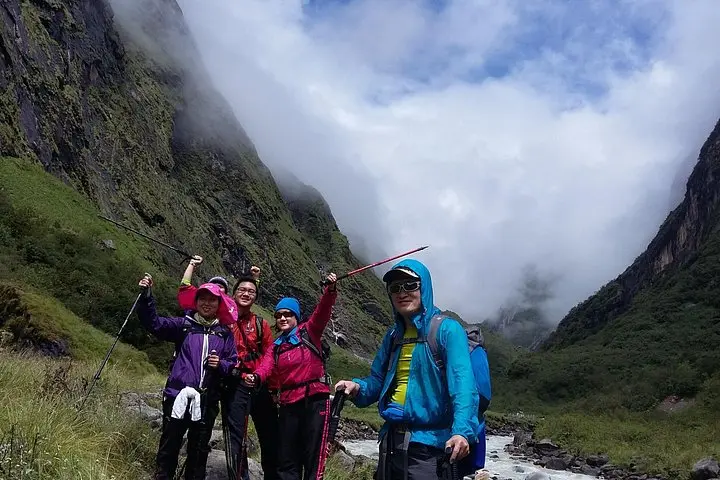
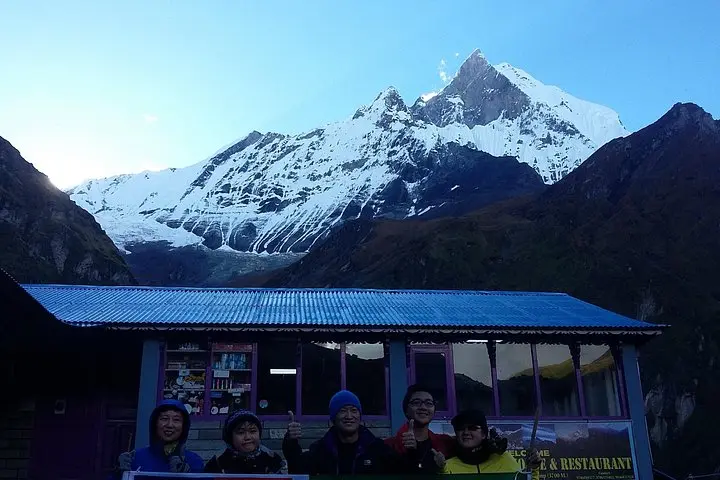
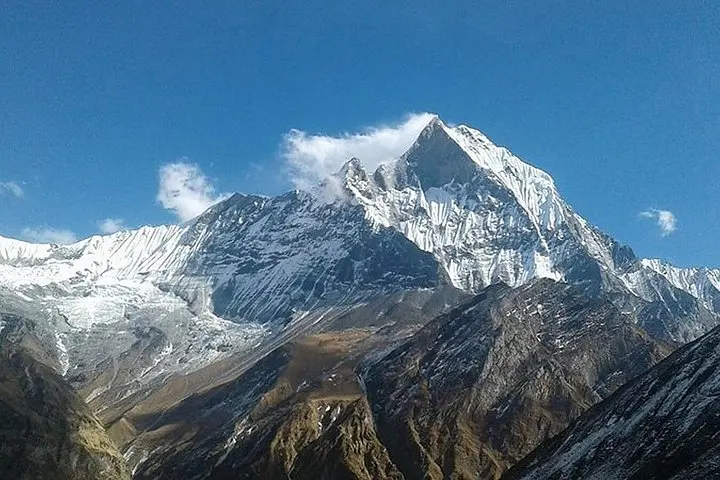
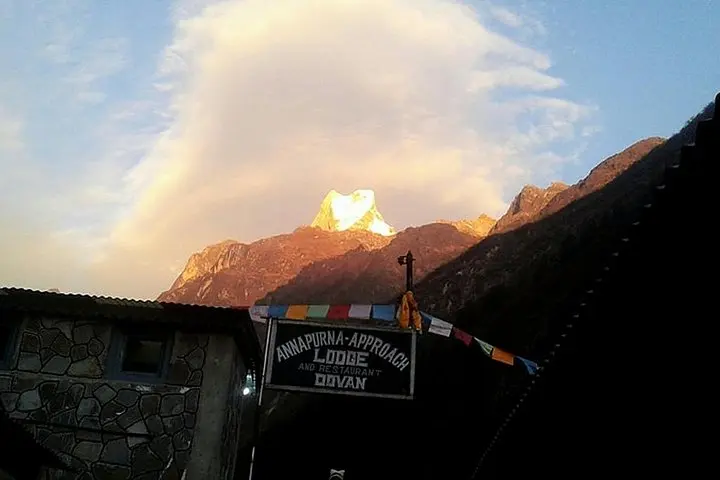
Dawn in Pokhara smells of diesel and fresh tea; you load the bus and watch terraced hills slide by as the road drops toward Nayapul, the true trailhead. The path follows the Modi and Bhurungdi Khola, threads through oak and rhododendron, and climbs stone steps to villages where children call out and tea-house kettles hiss. At Poon Hill, the sun edges up over Dhaulagiri and Machhapuchhre — a raw, cold line of peaks that frames the route to the Sanctuary.
Dawn in Pokhara smells of diesel and fresh tea; you load the bus and watch terraced hills slide by as the road drops toward Nayapul, the true trailhead. The path follows the Modi and Bhurungdi Khola, threads through oak and rhododendron, and climbs stone steps to villages where children call out and tea-house kettles hiss. At Poon Hill, the sun edges up over Dhaulagiri and Machhapuchhre — a raw, cold line of peaks that frames the route to the Sanctuary.
Geologically the valley is the result of Himalayan uplift and glacial carving; glaciers and moraine shape the amphitheater that is Annapurna Base Camp (ABC, ~4,130 m). Culturally the route crosses Magar and Gurung communities—tea-houses, prayer flags and ACAP check posts reflect local life and conservation management.
Practically: expect 11 days of guided walking with one rest/explore day, daily elevation changes from 827 m to 4,130 m, and mixed terrain—stone staircases, river crossings, moraines and high alpine meadows. Nights are spent in teahouses and basic lodges; hot springs at Jhinu Danda offer a sore-muscle reward. Acclimatize on the Ghorepani/Poon Hill leg, carry layers for sudden wind and night freezes, and plan for limited cash and charging opportunities along the route.
This trek is about steady pacing and altitude awareness as much as views—hydrate, monitor symptoms, and use a guide or porter to manage logistics so you can focus on the trail, the villages, and the raw sweep of the Annapurna massif.