THE ADVENTURE COLLECTIVE® · Independent discovery and booking for outdoor travel

A classic 10-day trek from Nayapul that climbs through rhododendron forests and traditional Gurung villages to Machhapuchhre and Annapurna Base Camps. Expect long stone steps, dramatic Himalayan panoramas, and basic tea-house nights—altitude and weather are the real challenges.
A classic 10-day trek from Nayapul that climbs through rhododendron forests and traditional Gurung villages to Machhapuchhre and Annapurna Base Camps. Expect long stone steps, dramatic Himalayan panoramas, and basic tea-house nights—altitude and weather are the real challenges.
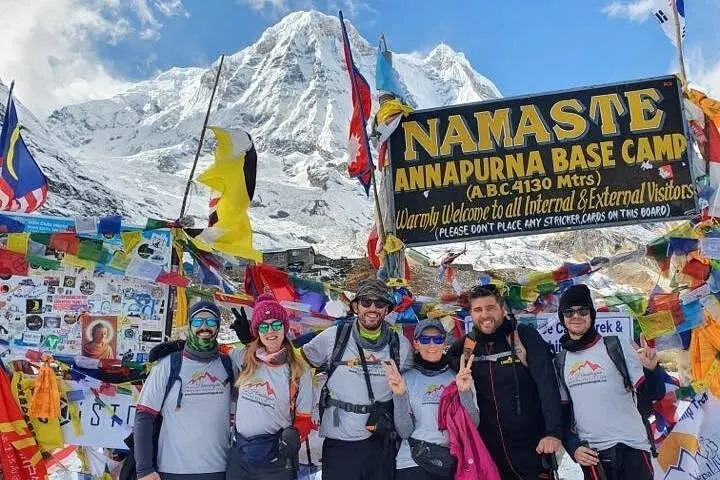
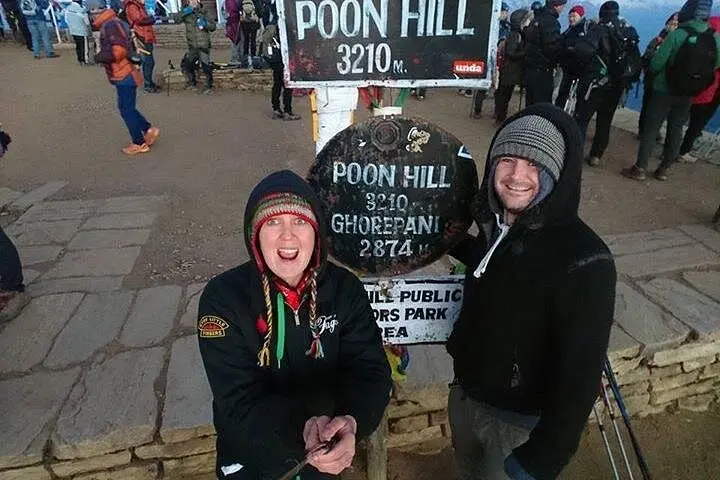
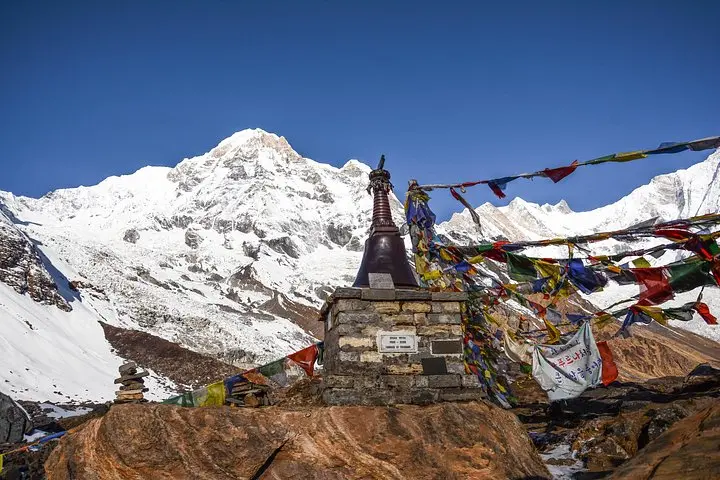
Morning light pulls you up through rhododendron and bamboo; the trail out of Nayapul narrows into stone steps and the river keeps time below, daring you onward. Over ten days the mountains change scale—the foothills soften into forests, villages with smoke-streaked roofs appear, then the high amphitheater of Annapurna and Machhapuchhre opens like a white wall.
Verified experiences and guided adventures in the surrounding area.
Operated by Himalayan Trekking Path (P). Ltd. · Pokhara, Gandaki Province
Morning light pulls you up through rhododendron and bamboo; the trail out of Nayapul narrows into stone steps and the river keeps time below, daring you onward. Over ten days the mountains change scale—the foothills soften into forests, villages with smoke-streaked roofs appear, then the high amphitheater of Annapurna and Machhapuchhre opens like a white wall.
The route follows long-used mule paths threaded through Gurung and Magar settlements where traditional stone houses and mani walls mark centuries of mountain culture. Geologically the Annapurna Massif is a young, uplifted range of metamorphic rock; avalanches and glacial cirques have carved steep gullies and broad moraine bowls that define the higher approach to base camp.
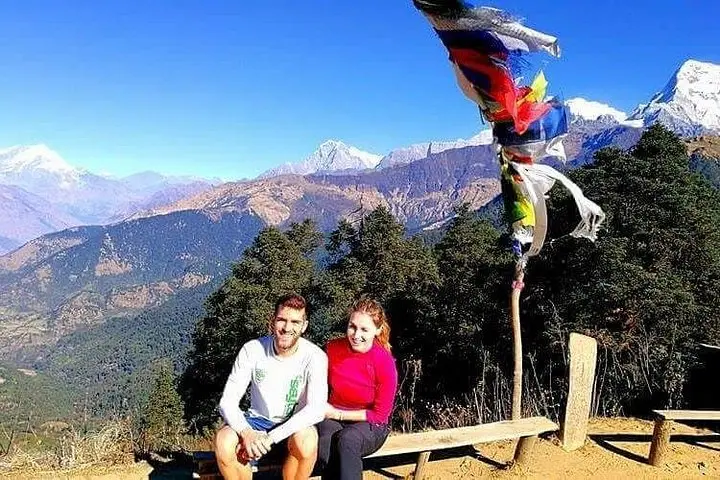
Expect a sequence of environments: terraced farmland, dense rhododendron and bamboo stands, then pine and fir as you climb. Nearing Machhapuchhre Base Camp the trail shifts to loose scree and exposed ridgelines; wind and cold become active participants, pushing you to layer up. Views reward early starts—sunrise casts the Annapurnas in a hard, clear light that changes the face of the range in minutes.
Practically: this standard trek runs about 10 days, with daily hiking of roughly 4–6 hours and total elevation gain of ~3,000 m from Nayapul (≈1,070 m) to Annapurna Base Camp (≈4,130 m). Tea houses provide basic accommodation and hot meals; permits (ACAP/TIMS) are required and management of plastic and fuel remains a local conservation focus. Bring sturdy boots, layered clothing, and time for acclimatization—altitude, not distance, is the primary challenge.
You need the Annapurna Conservation Area Permit (ACAP) and a TIMS card; these are checked at park entrances and can be arranged in Pokhara or at the trailhead.
Physically manageable for fit beginners with proper acclimatization and rest days, but altitude and long days on uneven steps make it more than an easy walk.
Spring (March–May) and fall (September–November) offer the most stable weather and clear views; monsoon season brings heavy rain and landslide risk.
Tea houses provide basic rooms and hot meals most of the route; standards vary—bring a warm sleep layer and expect shared bathrooms and simple bedding.
Himalayan Trekking Path (P). Ltd. operates guided outdoor trips and adventures with an emphasis on safety, stewardship, and memorable experiences.
Morning light pulls you up through rhododendron and bamboo; the trail out of Nayapul narrows into stone steps and the river keeps time below, daring you onward. Over ten days the mountains change scale—the foothills soften into forests, villages with smoke-streaked roofs appear, then the high amphitheater of Annapurna and Machhapuchhre opens like a white wall.
Morning light pulls you up through rhododendron and bamboo; the trail out of Nayapul narrows into stone steps and the river keeps time below, daring you onward. Over ten days the mountains change scale—the foothills soften into forests, villages with smoke-streaked roofs appear, then the high amphitheater of Annapurna and Machhapuchhre opens like a white wall.
The route follows long-used mule paths threaded through Gurung and Magar settlements where traditional stone houses and mani walls mark centuries of mountain culture. Geologically the Annapurna Massif is a young, uplifted range of metamorphic rock; avalanches and glacial cirques have carved steep gullies and broad moraine bowls that define the higher approach to base camp.
Expect a sequence of environments: terraced farmland, dense rhododendron and bamboo stands, then pine and fir as you climb. Nearing Machhapuchhre Base Camp the trail shifts to loose scree and exposed ridgelines; wind and cold become active participants, pushing you to layer up. Views reward early starts—sunrise casts the Annapurnas in a hard, clear light that changes the face of the range in minutes.
Practically: this standard trek runs about 10 days, with daily hiking of roughly 4–6 hours and total elevation gain of ~3,000 m from Nayapul (≈1,070 m) to Annapurna Base Camp (≈4,130 m). Tea houses provide basic accommodation and hot meals; permits (ACAP/TIMS) are required and management of plastic and fuel remains a local conservation focus. Bring sturdy boots, layered clothing, and time for acclimatization—altitude, not distance, is the primary challenge.