THE ADVENTURE COLLECTIVE® · Independent discovery and booking for outdoor travel

A 10-day private-guided trek that combines Poon Hill’s sunrise views with the glacier-sheltered grandeur of Annapurna Base Camp. Expect steep stone steps, teahouse nights, and high-altitude panoramas.
A 10-day private-guided trek that combines Poon Hill’s sunrise views with the glacier-sheltered grandeur of Annapurna Base Camp. Expect steep stone steps, teahouse nights, and high-altitude panoramas.
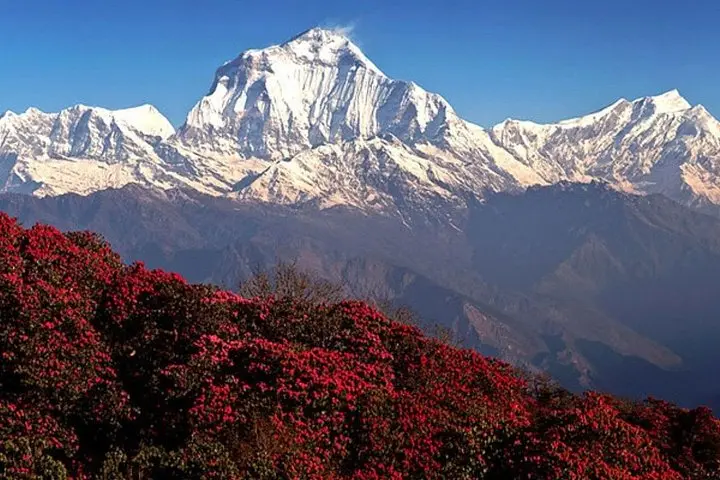
Dawn breaks over terraced fields outside Pokhara and the bus grinds toward Nayapul; cold mountain air pushes at the windows as the trail narrows into a ribbon of stone steps and rhododendron canopies.
Verified experiences and guided adventures in the surrounding area.
Operated by MTA Trekking · Pokhara, Gandaki Province
Dawn breaks over terraced fields outside Pokhara and the bus grinds toward Nayapul; cold mountain air pushes at the windows as the trail narrows into a ribbon of stone steps and rhododendron canopies.
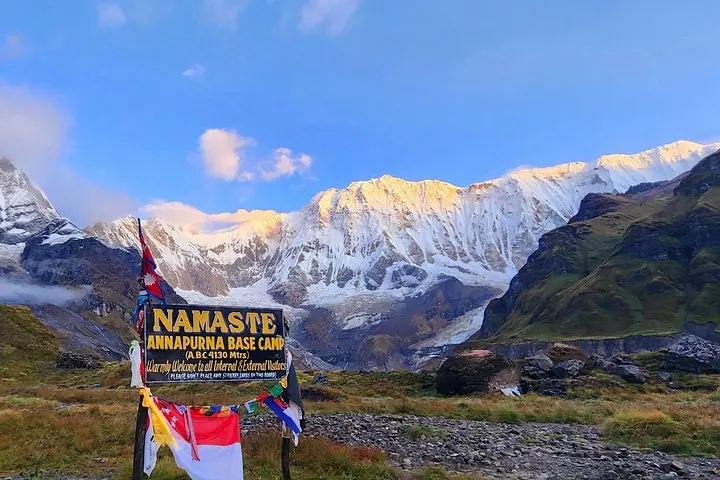
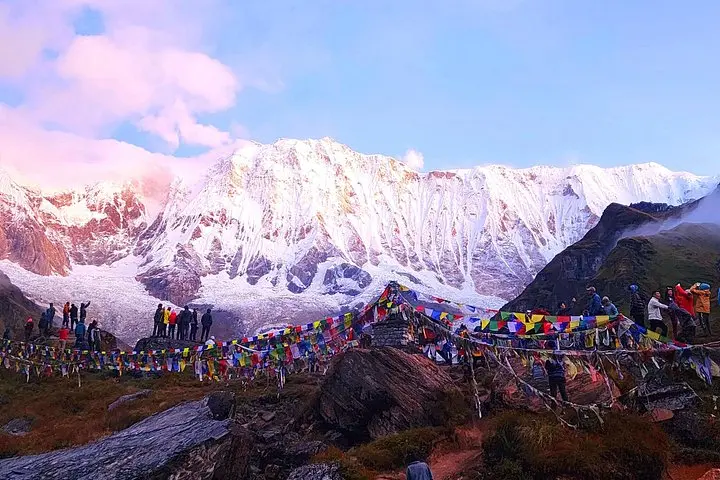
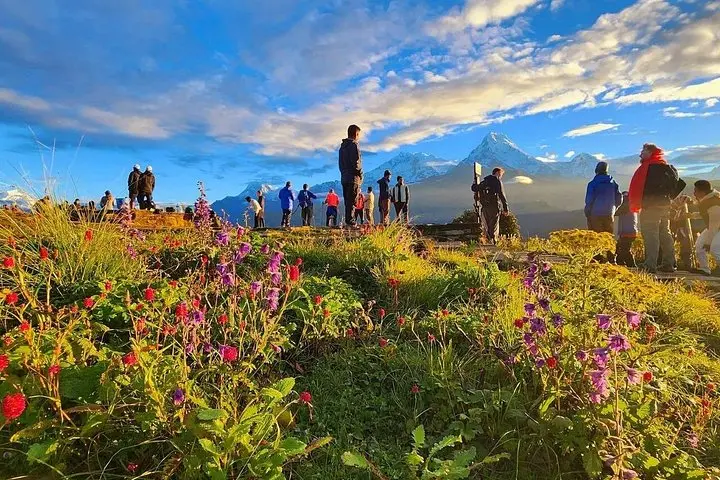
The route climbs through Gurung and Magar villages where slate-roofed teahouses mark rest points and local women tend terraces carved into the hills. Geologically the trail follows the Modi Khola valley, carved from glacial melt and flanked by moraine and steep scree that lead to the amphitheater of the Annapurna Sanctuary. Poon Hill’s ridge rewards early risers with a sequence of peaks lighting up—Machhapuchhare (Fishtail), Annapurna South and Hiunchuli—while the sanctuary’s bowl shelters the Base Camp at 4,130 m.
Culturally, this is walking through living villages: hospitality is straightforward, meals are hearty dal bhat, and local porters and guides bring traditional knowledge of trails and altitude pacing. The Annapurna Conservation Area Project (ACAP) has regulated permits and supported community-based lodges here for decades.
Practically, expect long days on uneven stone steps, narrow gullies, and high-elevation exposure. Hydrate steadily, layer for large diurnal swings, and plan for two nights above 3,000 m to aid acclimatization. Carry a headlamp for early starts, and keep a small first-aid kit for blisters and altitude symptoms. Guides handle logistics—permits, teahouse bookings and timing—so focus on steady pacing, wearing broken-in boots and limiting pack weight. For anyone chasing sunrise light on Poon Hill followed by the wide, glacier-scraped bowl of ABC, this itinerary is a demanding but straightforward Himalayan classic.
Yes—trekkers need an ACAP permit and a TIMS (Trekkers’ Information Management System) card, which guides or agencies typically arrange before departure.
ABC sits at about 4,130 m (13,550 ft); altitude sickness is possible—follow acclimatization schedules, hydrate, and descend if symptoms occur.
The trek is doable most of the year; spring and autumn are best for stable weather and visibility, while winter brings cold and occasional snow at higher camps.
Teahouses provide basic dorm-style rooms, blankets, and hot meals; expect rustic amenities, variable hot water, and shared facilities at higher elevations.
MTA Trekking operates guided outdoor trips and adventures with an emphasis on safety, stewardship, and memorable experiences.
Dawn breaks over terraced fields outside Pokhara and the bus grinds toward Nayapul; cold mountain air pushes at the windows as the trail narrows into a ribbon of stone steps and rhododendron canopies.
Dawn breaks over terraced fields outside Pokhara and the bus grinds toward Nayapul; cold mountain air pushes at the windows as the trail narrows into a ribbon of stone steps and rhododendron canopies.
The route climbs through Gurung and Magar villages where slate-roofed teahouses mark rest points and local women tend terraces carved into the hills. Geologically the trail follows the Modi Khola valley, carved from glacial melt and flanked by moraine and steep scree that lead to the amphitheater of the Annapurna Sanctuary. Poon Hill’s ridge rewards early risers with a sequence of peaks lighting up—Machhapuchhare (Fishtail), Annapurna South and Hiunchuli—while the sanctuary’s bowl shelters the Base Camp at 4,130 m.
Culturally, this is walking through living villages: hospitality is straightforward, meals are hearty dal bhat, and local porters and guides bring traditional knowledge of trails and altitude pacing. The Annapurna Conservation Area Project (ACAP) has regulated permits and supported community-based lodges here for decades.
Practically, expect long days on uneven stone steps, narrow gullies, and high-elevation exposure. Hydrate steadily, layer for large diurnal swings, and plan for two nights above 3,000 m to aid acclimatization. Carry a headlamp for early starts, and keep a small first-aid kit for blisters and altitude symptoms. Guides handle logistics—permits, teahouse bookings and timing—so focus on steady pacing, wearing broken-in boots and limiting pack weight. For anyone chasing sunrise light on Poon Hill followed by the wide, glacier-scraped bowl of ABC, this itinerary is a demanding but straightforward Himalayan classic.