THE ADVENTURE COLLECTIVE® · Independent discovery and booking for outdoor travel

Walk from river valleys to 5,416 m Thorong La over 13 days of Himalayan trails, teahouses and cultural villages. This trek balances high-altitude challenge with accessible logistics—permits, guides and teahouse nights make it a practical choice for experienced hikers.
Walk from river valleys to 5,416 m Thorong La over 13 days of Himalayan trails, teahouses and cultural villages. This trek balances high-altitude challenge with accessible logistics—permits, guides and teahouse nights make it a practical choice for experienced hikers.
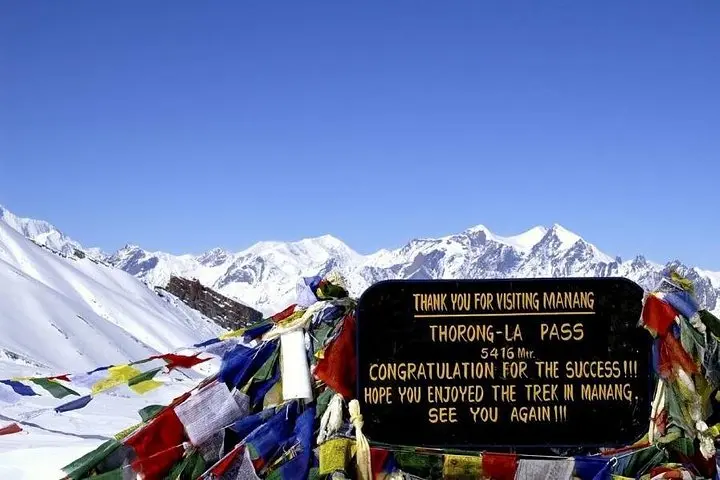
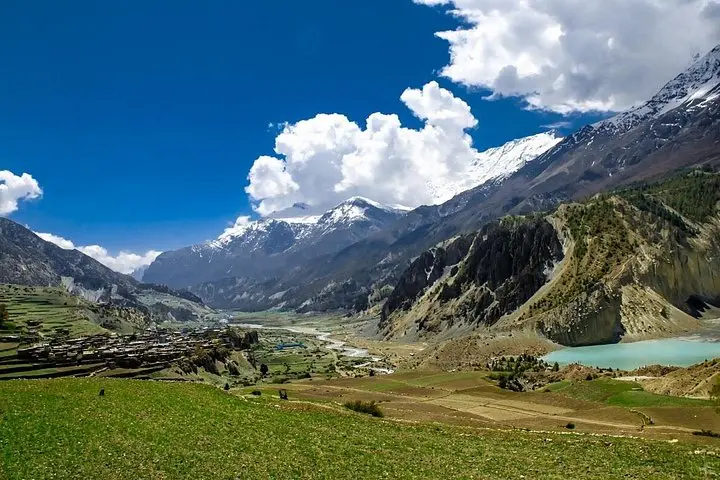
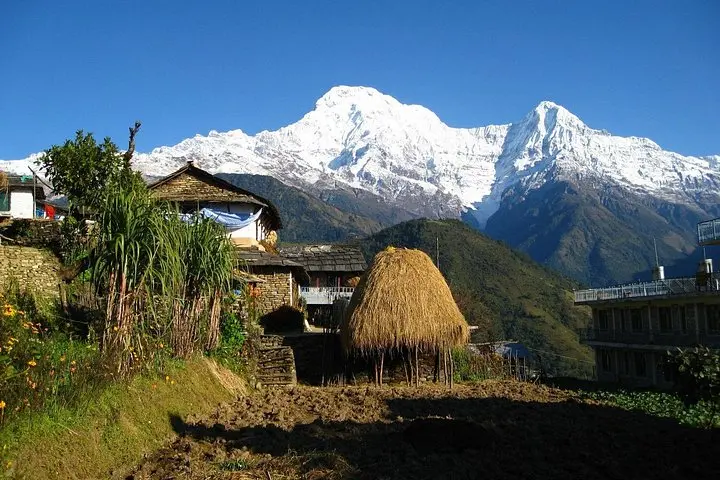
A cold dawn in the Marsyangdi valley—yaks shifting steam into the air, prayer flags snapping above stone teahouses—sets the tempo for the Annapurna Circuit. Trekkers move from subtropical river gorges into alpine scrub, following a ribbon of trail that climbs through Pisang and Manang, pauses at turquoise Gangapurna Lake, and then tests lungs and will at Thorong La (5,416 m) before descending to the pilgrimage site of Muktinath.
Verified experiences and guided adventures in the surrounding area.
Operated by Himalayan Adventure Treks and Tours Pvt Ltd · Manang, Gandaki Province
A cold dawn in the Marsyangdi valley—yaks shifting steam into the air, prayer flags snapping above stone teahouses—sets the tempo for the Annapurna Circuit. Trekkers move from subtropical river gorges into alpine scrub, following a ribbon of trail that climbs through Pisang and Manang, pauses at turquoise Gangapurna Lake, and then tests lungs and will at Thorong La (5,416 m) before descending to the pilgrimage site of Muktinath.
Geologically the route traces the collision zone between the Indian and Eurasian plates: folded limestone, moraine-scarred valleys and abrupt, glaciated ridgelines reveal millions of years of uplift. Culturally the circuit stitches Gurung, Thakali and Tibetan-influenced communities—stone mani walls, gompas and the Muktinath temple underline the mix of Hindu and Buddhist practices. The Annapurna Conservation Area manages permits and the region’s fragile water sources and high-altitude pastures.
Practically, expect 10–20 km trekking days, sudden weather swings, and basic teahouse accommodation with shared rooms and hot meals. Key waypoints: Jagat, Dharapani, Chame, Pisang, Manang, Thorong Phedi, Thorong La, and Muktinath, with road transfers to/from Kathmandu and Pokhara. Acclimatization days in Manang and slow pacing reduce altitude risk; carry layers, a reliable sleeping bag, and water treatment. Start early on summit days, monitor symptoms of AMS, and budget time for road transfers that can take 7–9 hours. For fit hikers who welcome long days and cultural variety, the circuit offers a direct, elemental Himalayan experience with clear logistics and unforgettable high-mountain panoramas.
You need a TIMS card and an ACAP (Annapurna Conservation Area) permit; operators typically arrange these before or during early pick-up.
Thorong La is a high-altitude pass (5,416 m) that requires proper acclimatization, early starts, and readiness for steep, rocky, sometimes icy terrain; it’s strenuous but non-technical.
Spring (March–May) and autumn (September–November) offer the most stable weather and visibility; summer brings monsoon rains and winter brings deep snow and closed passes.
Accommodation is primarily teahouses/guesthouses with twin-share rooms, shared bathrooms, and basic heating; bring a warm sleeping bag for high-altitude nights.
Himalayan Adventure Treks and Tours Pvt Ltd operates guided outdoor trips and adventures with an emphasis on safety, stewardship, and memorable experiences.
A cold dawn in the Marsyangdi valley—yaks shifting steam into the air, prayer flags snapping above stone teahouses—sets the tempo for the Annapurna Circuit. Trekkers move from subtropical river gorges into alpine scrub, following a ribbon of trail that climbs through Pisang and Manang, pauses at turquoise Gangapurna Lake, and then tests lungs and will at Thorong La (5,416 m) before descending to the pilgrimage site of Muktinath.
A cold dawn in the Marsyangdi valley—yaks shifting steam into the air, prayer flags snapping above stone teahouses—sets the tempo for the Annapurna Circuit. Trekkers move from subtropical river gorges into alpine scrub, following a ribbon of trail that climbs through Pisang and Manang, pauses at turquoise Gangapurna Lake, and then tests lungs and will at Thorong La (5,416 m) before descending to the pilgrimage site of Muktinath.
Geologically the route traces the collision zone between the Indian and Eurasian plates: folded limestone, moraine-scarred valleys and abrupt, glaciated ridgelines reveal millions of years of uplift. Culturally the circuit stitches Gurung, Thakali and Tibetan-influenced communities—stone mani walls, gompas and the Muktinath temple underline the mix of Hindu and Buddhist practices. The Annapurna Conservation Area manages permits and the region’s fragile water sources and high-altitude pastures.
Practically, expect 10–20 km trekking days, sudden weather swings, and basic teahouse accommodation with shared rooms and hot meals. Key waypoints: Jagat, Dharapani, Chame, Pisang, Manang, Thorong Phedi, Thorong La, and Muktinath, with road transfers to/from Kathmandu and Pokhara. Acclimatization days in Manang and slow pacing reduce altitude risk; carry layers, a reliable sleeping bag, and water treatment. Start early on summit days, monitor symptoms of AMS, and budget time for road transfers that can take 7–9 hours. For fit hikers who welcome long days and cultural variety, the circuit offers a direct, elemental Himalayan experience with clear logistics and unforgettable high-mountain panoramas.