THE ADVENTURE COLLECTIVE® · Independent discovery and booking for outdoor travel

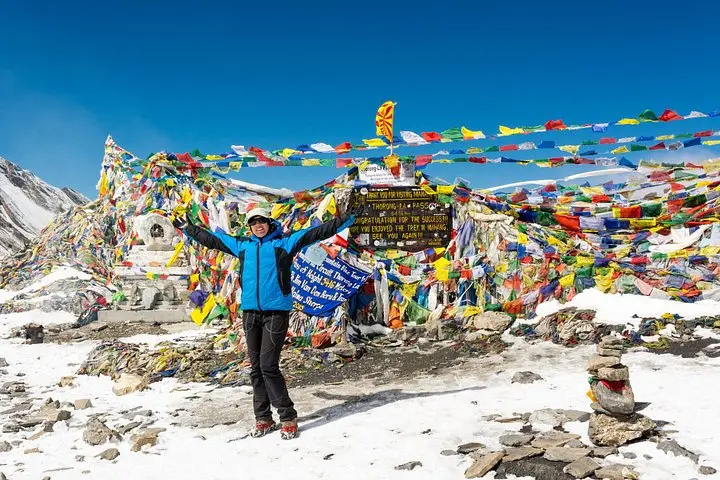
A full-circuit Himalayan trek that climbs from subtropical valleys through alpine ridgelines to Thorong La (5,416 m). Expect teahouse nights, steep stone steps and dramatic shifts in climate and culture across 14–15 days.
A full-circuit Himalayan trek that climbs from subtropical valleys through alpine ridgelines to Thorong La (5,416 m). Expect teahouse nights, steep stone steps and dramatic shifts in climate and culture across 14–15 days.
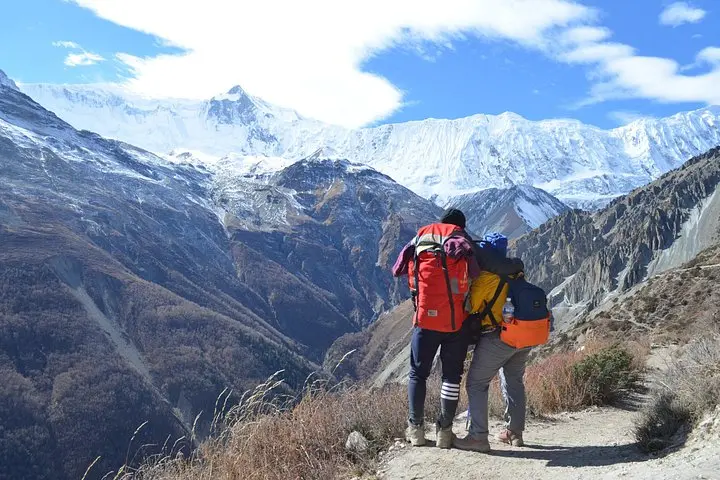
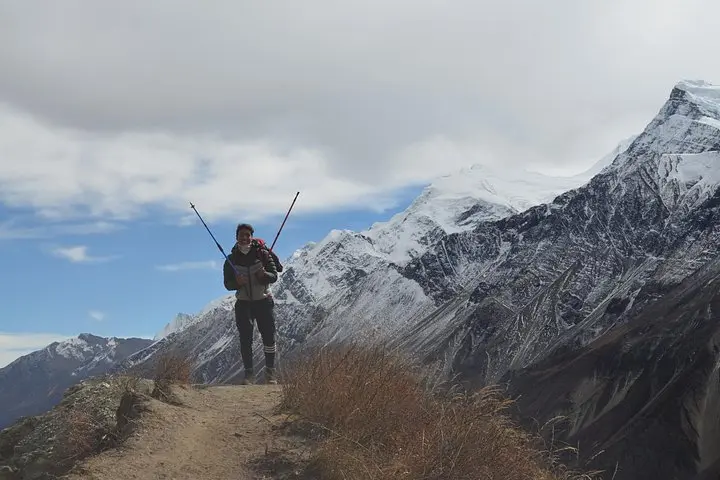
You stand before a ribbon of trail that climbs from rhododendron groves into wind-carved scree, the first ridge of the Annapurna range lighting up like iron at sunrise.
Verified experiences and guided adventures in the surrounding area.
Operated by Peregrine Treks and Tours · Manang, Gandaki Province
You stand before a ribbon of trail that climbs from rhododendron groves into wind-carved scree, the first ridge of the Annapurna range lighting up like iron at sunrise.
The Annapurna Circuit is a long-route Himalayan trek that circles the Annapurna Massif and crosses Thorong La (5,416 m). Geologically, the route follows the Kali Gandaki gorge—the world’s deepest—from subtropical valleys into the rain-shadowed trans-Himalaya. Culturally, villages along the way are predominantly Gurung and Manangi-Tamang, with mani walls, prayer flags and hospitality served in simple teahouses.
History and conservation meet at the Annapurna Conservation Area Project (ACAP), which regulates permits and uses community-based lodges to limit impact. On the route you’ll pass glacial moraines, high alpine lakes and terraces carved into steep hillsides, and you may time an acclimatization day in Manang to visit the Himalayan Rescue Association for practical altitude advice.
Practically, expect long walking days (5–8 hours typical, longer on pass day), uneven stone steps, suspension-bridge crossings and large elevation shifts—gain carefully and hydrate. Thorong La is the high point: start pre-dawn to avoid high winds and pack for sudden temperature drops. Footwear with solid ankle support, a warm down layer, and sun protection are non-negotiable.
Logistics: permits (ACAP + TIMS) are required, and teahouse lodging and local guides are standard. Weather windows in spring and fall give the clearest mountain views; winter brings hard conditions and summer monsoon reduces visibility. Plan for altitude, respect local religious sites, and leave no trace—the trail rewards patience with vast, uncompromising Himalayan panoramas.
Yes—an Annapurna Conservation Area Permit (ACAP) and a TIMS card are required and are typically arranged before or at the trek start.
Thorong La is a long, high-altitude pass at 5,416 m; the climb is steep and exposed to wind—adequate acclimatization and an early start are essential.
Teahouse lodges are basic—shared or private rooms with simple heating and food; standards improve in larger villages like Manang and Jomsom.
Seasonal conditions vary: spring and fall are best; monsoon and winter bring rain or snow that can close sections of the route.
Peregrine Treks and Tours operates guided outdoor trips and adventures with an emphasis on safety, stewardship, and memorable experiences.
You stand before a ribbon of trail that climbs from rhododendron groves into wind-carved scree, the first ridge of the Annapurna range lighting up like iron at sunrise.
You stand before a ribbon of trail that climbs from rhododendron groves into wind-carved scree, the first ridge of the Annapurna range lighting up like iron at sunrise.
The Annapurna Circuit is a long-route Himalayan trek that circles the Annapurna Massif and crosses Thorong La (5,416 m). Geologically, the route follows the Kali Gandaki gorge—the world’s deepest—from subtropical valleys into the rain-shadowed trans-Himalaya. Culturally, villages along the way are predominantly Gurung and Manangi-Tamang, with mani walls, prayer flags and hospitality served in simple teahouses.
History and conservation meet at the Annapurna Conservation Area Project (ACAP), which regulates permits and uses community-based lodges to limit impact. On the route you’ll pass glacial moraines, high alpine lakes and terraces carved into steep hillsides, and you may time an acclimatization day in Manang to visit the Himalayan Rescue Association for practical altitude advice.
Practically, expect long walking days (5–8 hours typical, longer on pass day), uneven stone steps, suspension-bridge crossings and large elevation shifts—gain carefully and hydrate. Thorong La is the high point: start pre-dawn to avoid high winds and pack for sudden temperature drops. Footwear with solid ankle support, a warm down layer, and sun protection are non-negotiable.
Logistics: permits (ACAP + TIMS) are required, and teahouse lodging and local guides are standard. Weather windows in spring and fall give the clearest mountain views; winter brings hard conditions and summer monsoon reduces visibility. Plan for altitude, respect local religious sites, and leave no trace—the trail rewards patience with vast, uncompromising Himalayan panoramas.