THE ADVENTURE COLLECTIVE® · Independent discovery and booking for outdoor travel

Follow a classic 18-day loop from Pokhara into the Annapurna highlands, crossing Thorong La (5,416 m) and visiting traditional villages, gompas, and hot springs. This trek balances dramatic alpine terrain with cultural heritage and planned acclimatization days.
Follow a classic 18-day loop from Pokhara into the Annapurna highlands, crossing Thorong La (5,416 m) and visiting traditional villages, gompas, and hot springs. This trek balances dramatic alpine terrain with cultural heritage and planned acclimatization days.
The morning air on the Annapurna Circuit cuts clean and thin; prayer flags snap like bright promises and the trail unfurls above a river that seems to dare you to keep going. Trekkers set out from the terraced hills around Syange and climb through rhododendron forests, Tibetan-style villages, and exposed moraine where the peaks—Annapurna II, Machhapuchhre, Dhaulagiri—loom as constant companions.
Verified experiences and guided adventures in the surrounding area.
Operated by Asian Heritage Treks and Travels · Manang, Gandaki Province
The morning air on the Annapurna Circuit cuts clean and thin; prayer flags snap like bright promises and the trail unfurls above a river that seems to dare you to keep going. Trekkers set out from the terraced hills around Syange and climb through rhododendron forests, Tibetan-style villages, and exposed moraine where the peaks—Annapurna II, Machhapuchhre, Dhaulagiri—loom as constant companions.
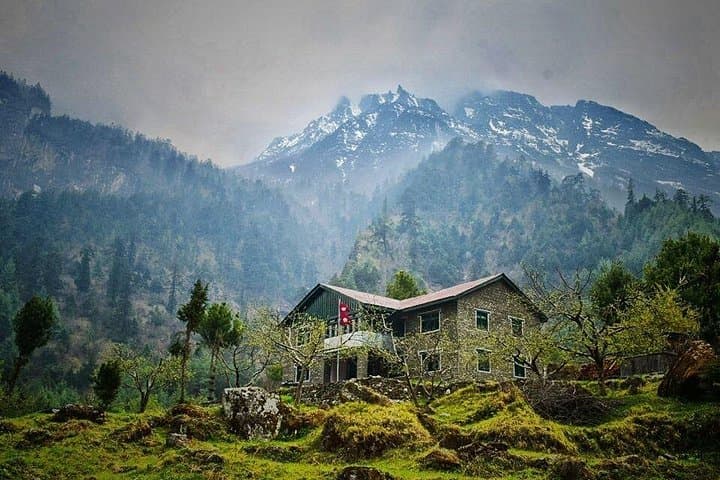
This route traces ancient salt and mule trade corridors that link Himalayan foothills to the trans-Himalayan plateau. Geologically, the valley is a study in contrasts: deep, glacially carved gorges give way to high, wind-polished passes like Thorong La (5,416 m). Cultural life along the way is a patchwork of Gurung and Tibetan-influenced villages—man-made stone walls, gompas, and yak pastures tell a long story of adaptation to altitude and weather.
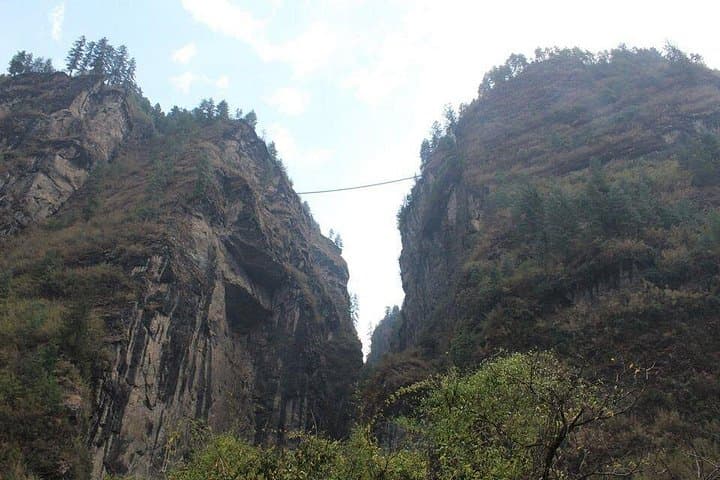
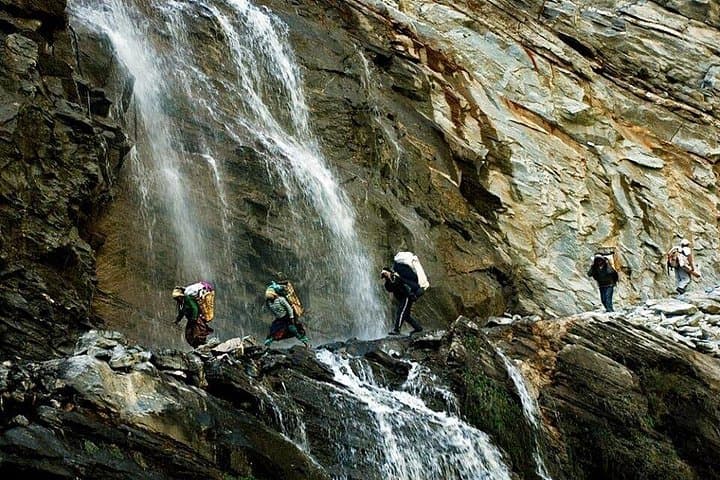
Expect varied terrain: river crossings and suspension bridges, steep stone staircases through villages, gravel moraines, and high alpine scree near the pass. The trek is not technical, but altitude and long daily gains require respect; the itinerary builds in rest and acclimatization days (Manang) for safety.
Practical guidance: carry layered insulation, use trekking poles to protect knees on descents, and pace conservatively up to Thorong La. Bring enough cash—remote lodges take little else—and be ready for variable weather from sun to sudden snow. Permit check: ACAP and TIMS are required and typically arranged before or at trailheads. With preparation, the Circuit delivers mountain vistas, cultural encounters, and a tangible sense of moving through a living corridor of Himalayan history.
You need an ACAP (Annapurna Conservation Area Project) permit and a TIMS card; tour operators typically help arrange these before the trek or at the trailhead.
No technical climbing gear is needed for the standard route—this is a high-altitude trek rather than a climb—though crampons may be required in snowy winter conditions.
Thorong La is high and exposed; the main risks are altitude sickness and sudden weather. Proper acclimatization, conservative pacing, and morning crossings reduce risk significantly.
Yes—porter services are common (often 1 porter per 2 trekkers) and teahouse lodges provide food and basic accommodation throughout the route.
Asian Heritage Treks and Travels operates guided outdoor trips and adventures with an emphasis on safety, stewardship, and memorable experiences.
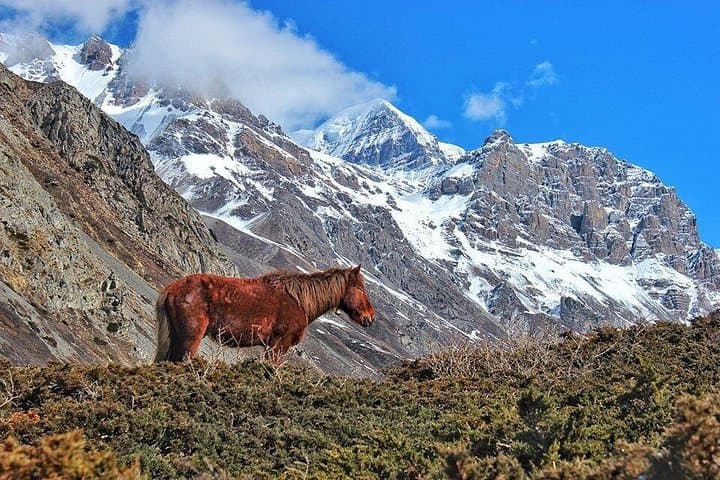
The morning air on the Annapurna Circuit cuts clean and thin; prayer flags snap like bright promises and the trail unfurls above a river that seems to dare you to keep going. Trekkers set out from the terraced hills around Syange and climb through rhododendron forests, Tibetan-style villages, and exposed moraine where the peaks—Annapurna II, Machhapuchhre, Dhaulagiri—loom as constant companions.
The morning air on the Annapurna Circuit cuts clean and thin; prayer flags snap like bright promises and the trail unfurls above a river that seems to dare you to keep going. Trekkers set out from the terraced hills around Syange and climb through rhododendron forests, Tibetan-style villages, and exposed moraine where the peaks—Annapurna II, Machhapuchhre, Dhaulagiri—loom as constant companions.
This route traces ancient salt and mule trade corridors that link Himalayan foothills to the trans-Himalayan plateau. Geologically, the valley is a study in contrasts: deep, glacially carved gorges give way to high, wind-polished passes like Thorong La (5,416 m). Cultural life along the way is a patchwork of Gurung and Tibetan-influenced villages—man-made stone walls, gompas, and yak pastures tell a long story of adaptation to altitude and weather.
Expect varied terrain: river crossings and suspension bridges, steep stone staircases through villages, gravel moraines, and high alpine scree near the pass. The trek is not technical, but altitude and long daily gains require respect; the itinerary builds in rest and acclimatization days (Manang) for safety.
Practical guidance: carry layered insulation, use trekking poles to protect knees on descents, and pace conservatively up to Thorong La. Bring enough cash—remote lodges take little else—and be ready for variable weather from sun to sudden snow. Permit check: ACAP and TIMS are required and typically arranged before or at trailheads. With preparation, the Circuit delivers mountain vistas, cultural encounters, and a tangible sense of moving through a living corridor of Himalayan history.