THE ADVENTURE COLLECTIVE® · Independent discovery and booking for outdoor travel

A classic multi-day trek through the Annapurna range, this itinerary crosses Thorong La and visits Muktinath—offering high-altitude panoramas, Gurung villages, and teahouse logistics. Ideal for fit hikers prepared for sustained elevation gain.
A classic multi-day trek through the Annapurna range, this itinerary crosses Thorong La and visits Muktinath—offering high-altitude panoramas, Gurung villages, and teahouse logistics. Ideal for fit hikers prepared for sustained elevation gain.
You step out of Kathmandu’s bustle and into a rhythm set by stone steps, prayer flags and a thin, clear sky. The first days thread river valleys and rhododendron forest; by Manang the air is thinner and the peaks press close, white and indifferent. On the high approach to Thorong La the wind dares you forward and the pass rewards you with a 360-degree coronation of Himalayan summits before the trail drops to the blue-steel flame of Muktinath.
Verified experiences and guided adventures in the surrounding area.
Operated by Himal Tourism Pvt.Ltd · Pokhara, Gandaki Province
You step out of Kathmandu’s bustle and into a rhythm set by stone steps, prayer flags and a thin, clear sky. The first days thread river valleys and rhododendron forest; by Manang the air is thinner and the peaks press close, white and indifferent. On the high approach to Thorong La the wind dares you forward and the pass rewards you with a 360-degree coronation of Himalayan summits before the trail drops to the blue-steel flame of Muktinath.
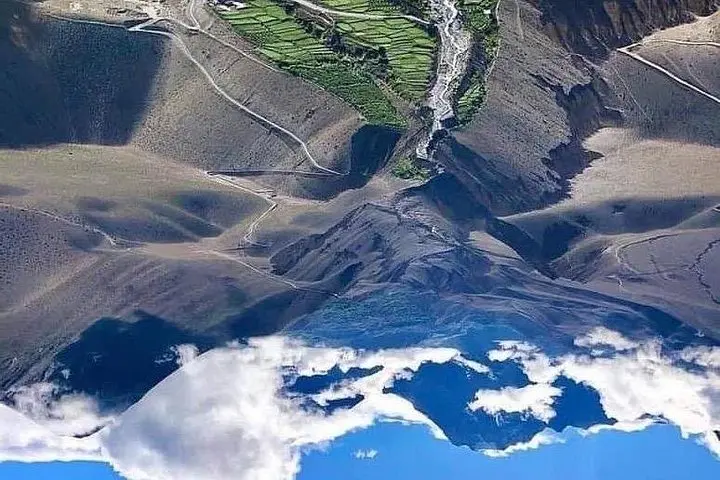
Geology here reads like a chapter in mountain-building: fractured limestone, deep canyons cut by the Kali Gandaki, and moraine-buttressed valleys that reveal an uplifted history of collision between the Indian and Eurasian plates. Culturally the route is braided with Gurung and Thakali villages, Buddhist mani walls and the syncretic pilgrimage at Muktinath where Hindu and Buddhist traditions meet.
Expect teahouse lodgings, packed-forward logistics, and long days on rocky, sometimes icy trails. Acclimatization is built into the plan with a rest day in Manang; this is not casual hiking—altitude dictates pace. Carry water treatment, layered insulation, and a good pair of boots; poles reduce knee strain on steep descents. Start before dawn on crossing day to avoid weather shifts and always follow guide advice on breathing and rest.
Practical: permits are required, and winter crossings are technical and riskier. The trek is best attempted in spring and fall for stable weather and clear views. Leave no trace, respect village customs, and plan an extra day in Pokhara or Kathmandu to buffer travel delays.
Yes—trekkers need an Annapurna Conservation Area Permit (ACAP) and a TIMS card; your operator typically arranges these before departure.
Spring (March–May) and fall (September–November) offer the most stable weather and clearest views; monsoon months can be muddy and winter brings snow at high passes.
Thorong La (5,416 m) is the highest point and requires strong acclimatization and early starts; many teams cross before mid-morning to avoid weather and wind.
Teahouse lodges along the route provide basic private rooms and shared facilities; higher-elevation lodges are simpler and electricity can be intermittent.
Himal Tourism Pvt.Ltd operates guided outdoor trips and adventures with an emphasis on safety, stewardship, and memorable experiences.
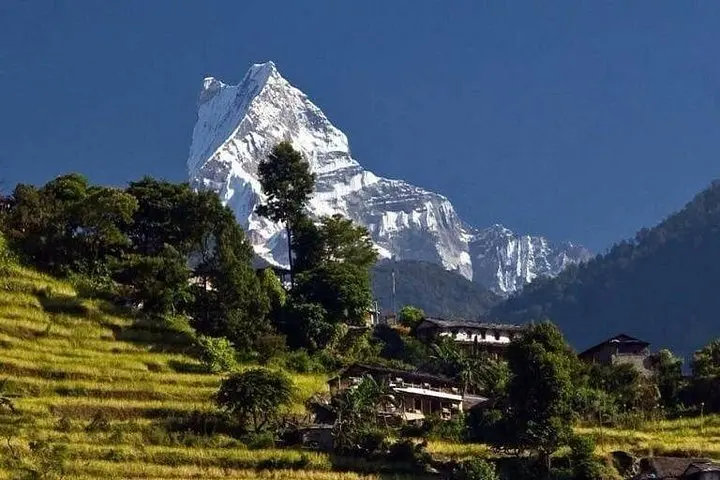
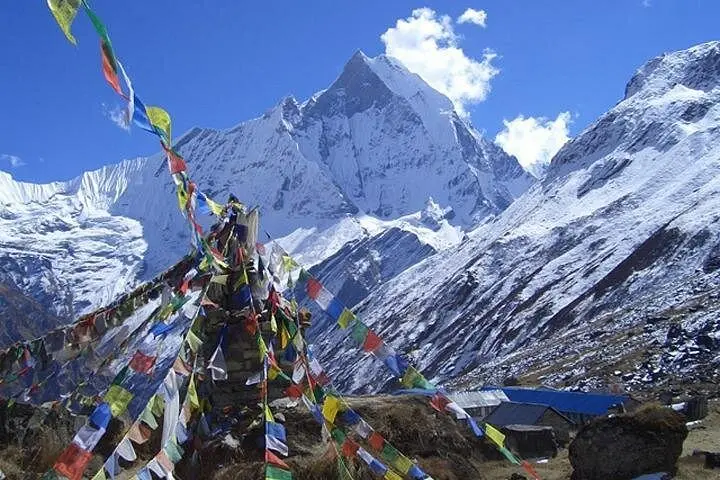
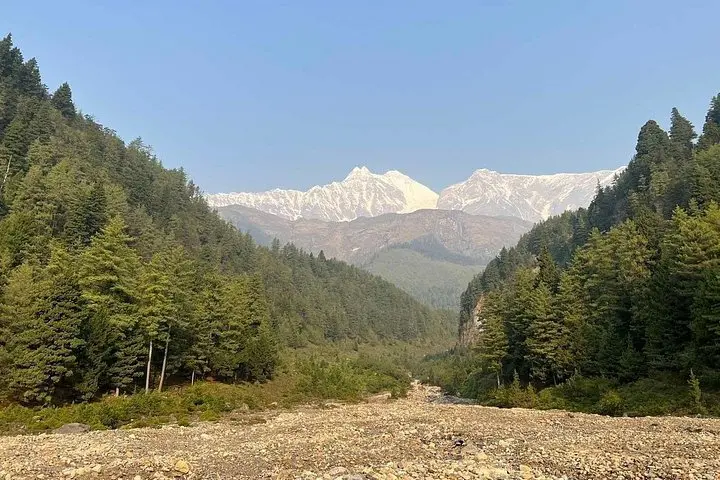
You step out of Kathmandu’s bustle and into a rhythm set by stone steps, prayer flags and a thin, clear sky. The first days thread river valleys and rhododendron forest; by Manang the air is thinner and the peaks press close, white and indifferent. On the high approach to Thorong La the wind dares you forward and the pass rewards you with a 360-degree coronation of Himalayan summits before the trail drops to the blue-steel flame of Muktinath.
You step out of Kathmandu’s bustle and into a rhythm set by stone steps, prayer flags and a thin, clear sky. The first days thread river valleys and rhododendron forest; by Manang the air is thinner and the peaks press close, white and indifferent. On the high approach to Thorong La the wind dares you forward and the pass rewards you with a 360-degree coronation of Himalayan summits before the trail drops to the blue-steel flame of Muktinath.
Geology here reads like a chapter in mountain-building: fractured limestone, deep canyons cut by the Kali Gandaki, and moraine-buttressed valleys that reveal an uplifted history of collision between the Indian and Eurasian plates. Culturally the route is braided with Gurung and Thakali villages, Buddhist mani walls and the syncretic pilgrimage at Muktinath where Hindu and Buddhist traditions meet.
Expect teahouse lodgings, packed-forward logistics, and long days on rocky, sometimes icy trails. Acclimatization is built into the plan with a rest day in Manang; this is not casual hiking—altitude dictates pace. Carry water treatment, layered insulation, and a good pair of boots; poles reduce knee strain on steep descents. Start before dawn on crossing day to avoid weather shifts and always follow guide advice on breathing and rest.
Practical: permits are required, and winter crossings are technical and riskier. The trek is best attempted in spring and fall for stable weather and clear views. Leave no trace, respect village customs, and plan an extra day in Pokhara or Kathmandu to buffer travel delays.