THE ADVENTURE COLLECTIVE® · Independent discovery and booking for outdoor travel

A classic high‑Himalaya trek that moves from warm rice terraces to the exposed knife‑edge of Thorong‑La. This 15‑day circuit balances cultural villages, teahouse comforts and serious high‑altitude terrain.
A classic high‑Himalaya trek that moves from warm rice terraces to the exposed knife‑edge of Thorong‑La. This 15‑day circuit balances cultural villages, teahouse comforts and serious high‑altitude terrain.
A cold dawn on the lower Marsyangdi valley, prayer flags snapping like a chorus, sets the tone for the Annapurna Circuit Trek. The route climbs from humid paddy fields through rhododendron forests into glacial-scrub alpine and finally up to the grizzled moraine of Thorong-La, where the wind seems to be testing every layer you wear.
Verified experiences and guided adventures in the surrounding area.
Operated by White Hill Adventure Treks & Expedition Pvt. Ltd. · Manang, Gandaki Province
A cold dawn on the lower Marsyangdi valley, prayer flags snapping like a chorus, sets the tone for the Annapurna Circuit Trek. The route climbs from humid paddy fields through rhododendron forests into glacial-scrub alpine and finally up to the grizzled moraine of Thorong-La, where the wind seems to be testing every layer you wear.
The circuit traces trade routes that linked Tibetan highlands and hill communities for centuries. Geologically, the trek moves across young Himalaya—folded metamorphic rocks, dramatic river-cut gorges and glacial cirques—so each day reads like a slow-motion lesson in uplift and erosion. Culturally, villages alternate Hindu and Tibetan-Buddhist influences: monasteries, mani walls and apple orchards appear between stone teahouses where local families host trekkers.
Expect clear mornings and sudden afternoon cloud build that can dump snow above 4,000 m. Trails vary from well-trodden dirt and stone staircases to loose scree near the high camp. The pass day (Thorong-La, 5,416 m) is the trip’s fulcrum—an early start, steady pacing, and hydration make the difference. Tea houses provide cooked meals and simple dorm-style lodging; carry cash and small bills.
Practical guidance: plan at least one full acclimatization day (Manang is ideal), break the pass into two days if you feel off, and pack layered, breathable insulation plus a warm sleeping liner. Trekking poles reduce knee stress on long descents, and a small first-aid kit with altitude medication is prudent. With good preparation the Annapurna Circuit delivers sweeping mountain panoramas, high-altitude camaraderie and a deep sense of moving through living landscape.
Yes—trekkers need the Annapurna Conservation Area Permit (ACAP) and a Trekkers’ Information Management System (TIMS) card; guides usually handle paperwork.
Spring (Mar–May) and autumn (Sept–Nov) offer the most stable weather and best views; shoulder seasons are colder and have higher avalanche risk.
Thorong‑La is a high‑altitude pass requiring early starts, proper acclimatization and steady pacing; it’s demanding but achievable for fit trekkers.
Yes—teahouses provide simple cooked meals and basic rooms throughout the circuit, though menu variety and comfort decline above 4,000 m; bring snacks for energy.
White Hill Adventure Treks & Expedition Pvt. Ltd. operates guided outdoor trips and adventures with an emphasis on safety, stewardship, and memorable experiences.
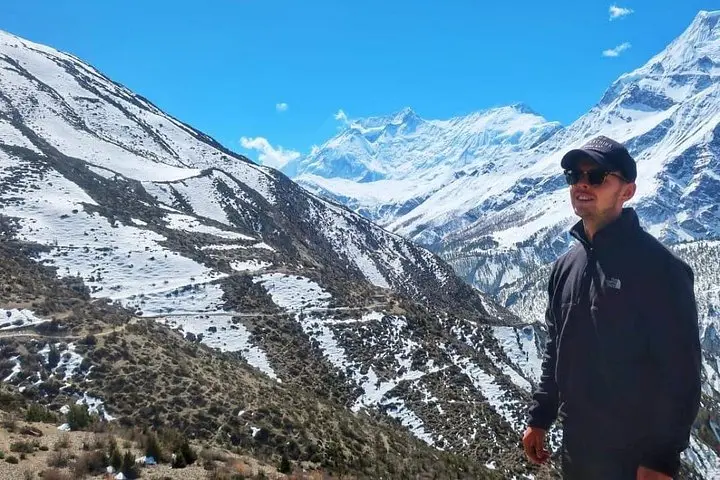
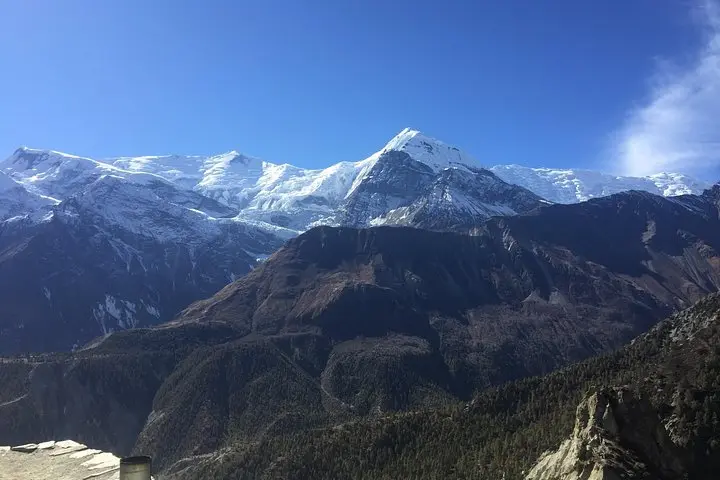
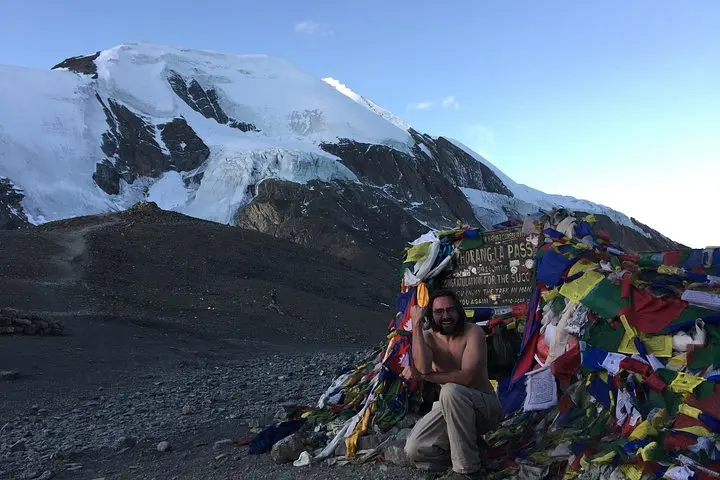
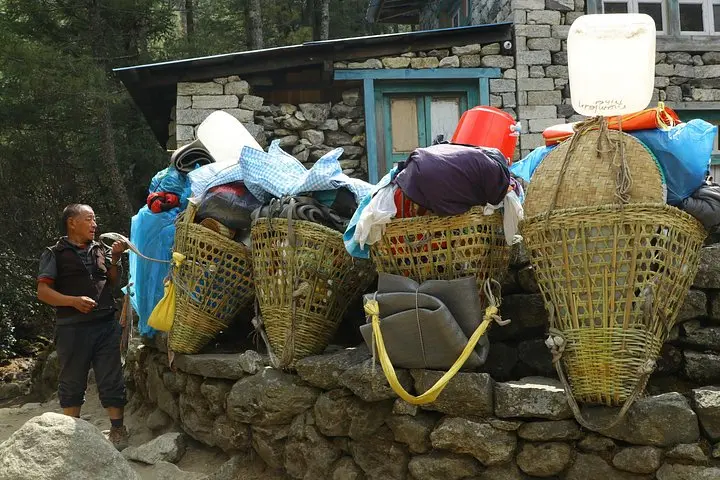
A cold dawn on the lower Marsyangdi valley, prayer flags snapping like a chorus, sets the tone for the Annapurna Circuit Trek. The route climbs from humid paddy fields through rhododendron forests into glacial-scrub alpine and finally up to the grizzled moraine of Thorong-La, where the wind seems to be testing every layer you wear.
A cold dawn on the lower Marsyangdi valley, prayer flags snapping like a chorus, sets the tone for the Annapurna Circuit Trek. The route climbs from humid paddy fields through rhododendron forests into glacial-scrub alpine and finally up to the grizzled moraine of Thorong-La, where the wind seems to be testing every layer you wear.
The circuit traces trade routes that linked Tibetan highlands and hill communities for centuries. Geologically, the trek moves across young Himalaya—folded metamorphic rocks, dramatic river-cut gorges and glacial cirques—so each day reads like a slow-motion lesson in uplift and erosion. Culturally, villages alternate Hindu and Tibetan-Buddhist influences: monasteries, mani walls and apple orchards appear between stone teahouses where local families host trekkers.
Expect clear mornings and sudden afternoon cloud build that can dump snow above 4,000 m. Trails vary from well-trodden dirt and stone staircases to loose scree near the high camp. The pass day (Thorong-La, 5,416 m) is the trip’s fulcrum—an early start, steady pacing, and hydration make the difference. Tea houses provide cooked meals and simple dorm-style lodging; carry cash and small bills.
Practical guidance: plan at least one full acclimatization day (Manang is ideal), break the pass into two days if you feel off, and pack layered, breathable insulation plus a warm sleeping liner. Trekking poles reduce knee stress on long descents, and a small first-aid kit with altitude medication is prudent. With good preparation the Annapurna Circuit delivers sweeping mountain panoramas, high-altitude camaraderie and a deep sense of moving through living landscape.