THE ADVENTURE COLLECTIVE® · Independent discovery and booking for outdoor travel

Watch the Annapurna range ignite at Poon Hill on a compact multi-day trek from Pokhara. This teahouse route combines steep stone stair climbs, Gurung village culture, and predictable sunrise panoramas—ideal for trekkers seeking high alpine views without technical climbing.
Watch the Annapurna range ignite at Poon Hill on a compact multi-day trek from Pokhara. This teahouse route combines steep stone stair climbs, Gurung village culture, and predictable sunrise panoramas—ideal for trekkers seeking high alpine views without technical climbing.
Dawn arrives on Poon Hill in slices: cold blue, then a crisp band of light that edges the Annapurna massif. You climb before breakfast—stone steps underfoot, rhododendron branches rubbing your sleeves—and the high peaks push themselves above cloud like ships on a pale sea.
Verified experiences and guided adventures in the surrounding area.
Operated by High Spirit Treks and Expedition Nepal · Ghorepani, Gandaki Province
Dawn arrives on Poon Hill in slices: cold blue, then a crisp band of light that edges the Annapurna massif. You climb before breakfast—stone steps underfoot, rhododendron branches rubbing your sleeves—and the high peaks push themselves above cloud like ships on a pale sea.
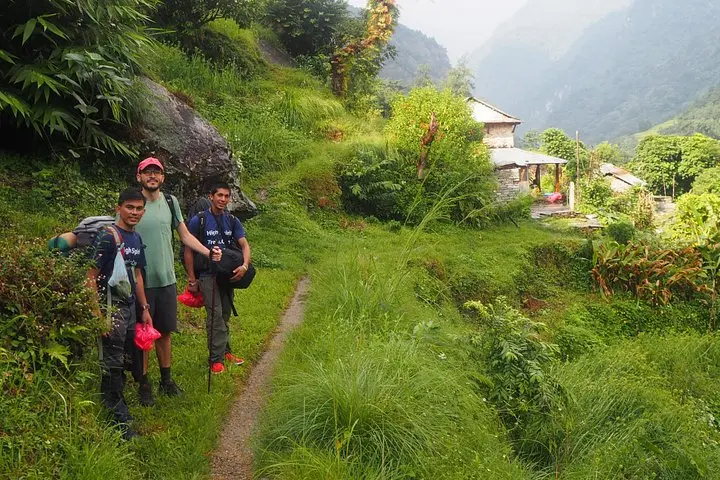
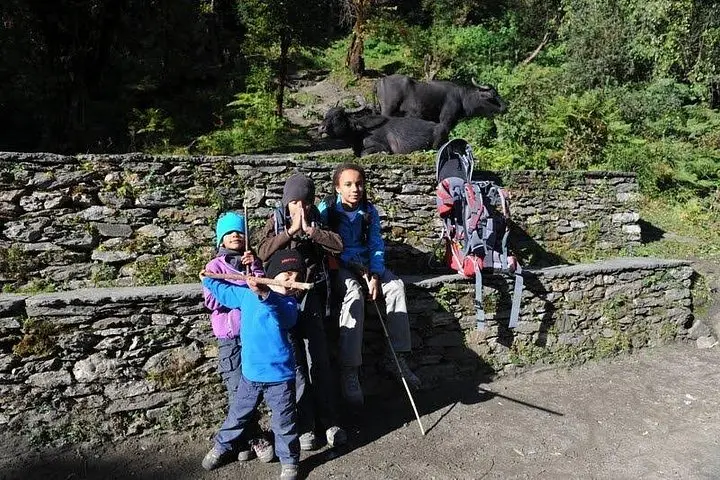
This route threads local history and geology. The trail follows valley benches carved by ancient glaciers and river terraces fed by the Modi Khola; centuries-old Gurung and Magar villages pepper the slopes. Ghorepani and Ghandruk are living cultural stops—stone guesthouses, prayer flags, and the steady rhythm of pack animals. Poon Hill itself earned fame in the 1970s as an accessible sunrise viewpoint, giving walkers a compact taste of the Annapurna range without technical climbing.
Expect sustained climbs: Tikhedhunga (~1,080 m) to Ghorepani (~2,860 m) is roughly 1,700–1,800 m of gain spread over steep stair sections and forested switchbacks; the final rise to Poon Hill (3,210 m) is a short, steep push usually done at 4–5 a.m. Terrain alternates packed dirt, stone steps, and occasional muddy stretches after rain. Teahouse lodging along the route is simple but functional—hot meals, basic rooms, and a chance to trade stories with guides and porters.
Practical tips: pace gains to avoid altitude strain, carry cash for teahouses and tips, and layer for sharp temperature swings. Good boots, trekking poles, and a lightweight down layer make the early mornings and exposed viewpoints comfortable. With a licensed guide and TIMS/ACAP permits in hand, this trek is a practical, high-reward Himalayan classic.
Yes—TIMS and Annapurna Conservation Area Project (ACAP) permits are required; the operator usually obtains them for organized treks.
Physically fit beginners can complete it with a guide, but expect sustained climbs and several days of walking; prior multi-day hiking experience helps.
Teahouse lodges offer basic rooms (shared or private), simple hot meals, and common dining areas—expect modest bedding and limited hot water in higher villages.
Bring enough local currency for meals, drinks, tips, and small purchases—typically $100–150 USD extra for a 7–9 day trek, depending on personal spending.
High Spirit Treks and Expedition Nepal operates guided outdoor trips and adventures with an emphasis on safety, stewardship, and memorable experiences.

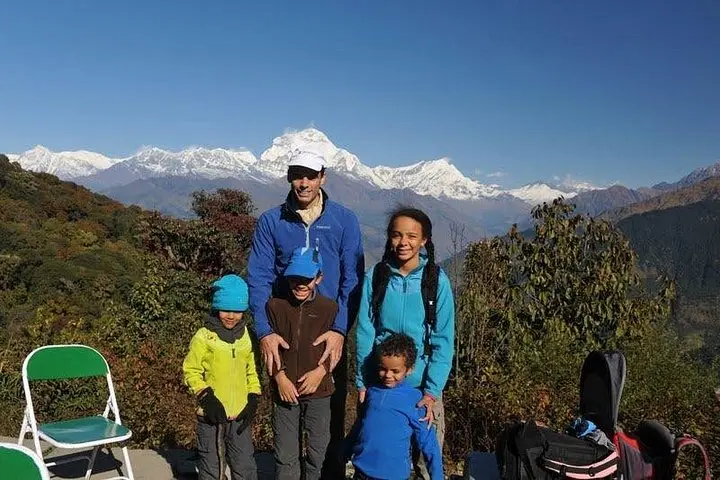
Dawn arrives on Poon Hill in slices: cold blue, then a crisp band of light that edges the Annapurna massif. You climb before breakfast—stone steps underfoot, rhododendron branches rubbing your sleeves—and the high peaks push themselves above cloud like ships on a pale sea.
Dawn arrives on Poon Hill in slices: cold blue, then a crisp band of light that edges the Annapurna massif. You climb before breakfast—stone steps underfoot, rhododendron branches rubbing your sleeves—and the high peaks push themselves above cloud like ships on a pale sea.
This route threads local history and geology. The trail follows valley benches carved by ancient glaciers and river terraces fed by the Modi Khola; centuries-old Gurung and Magar villages pepper the slopes. Ghorepani and Ghandruk are living cultural stops—stone guesthouses, prayer flags, and the steady rhythm of pack animals. Poon Hill itself earned fame in the 1970s as an accessible sunrise viewpoint, giving walkers a compact taste of the Annapurna range without technical climbing.
Expect sustained climbs: Tikhedhunga (~1,080 m) to Ghorepani (~2,860 m) is roughly 1,700–1,800 m of gain spread over steep stair sections and forested switchbacks; the final rise to Poon Hill (3,210 m) is a short, steep push usually done at 4–5 a.m. Terrain alternates packed dirt, stone steps, and occasional muddy stretches after rain. Teahouse lodging along the route is simple but functional—hot meals, basic rooms, and a chance to trade stories with guides and porters.
Practical tips: pace gains to avoid altitude strain, carry cash for teahouses and tips, and layer for sharp temperature swings. Good boots, trekking poles, and a lightweight down layer make the early mornings and exposed viewpoints comfortable. With a licensed guide and TIMS/ACAP permits in hand, this trek is a practical, high-reward Himalayan classic.