THE ADVENTURE COLLECTIVE® · Independent discovery and booking for outdoor travel
Short, high-altitude and remarkably accessible, the Ghorepani–Poon Hill trek delivers Himalayan sunrise panoramas, rhododendron forests and Gurung villages in a compact multi-day route. Read on for what to expect and how to prepare.
Short, high-altitude and remarkably accessible, the Ghorepani–Poon Hill trek delivers Himalayan sunrise panoramas, rhododendron forests and Gurung villages in a compact multi-day route. Read on for what to expect and how to prepare.
Dawn arrives cold and sharp on Poon Hill: a band of trekkers pressed into the low stone wall, watching the first light climb across Annapurna and Dhaulagiri. The air smells of wood smoke and instant coffee; below, rhododendron forests hold the trail like a stitched seam. This is the Ghorepani—Poon Hill circuit, a short high-country pilgrimage that condenses Himalayan scale into walkable days.
Verified experiences and guided adventures in the surrounding area.
Operated by himalayan sanctuary adventure private limited · Ghorepani, Gandaki Province
Dawn arrives cold and sharp on Poon Hill: a band of trekkers pressed into the low stone wall, watching the first light climb across Annapurna and Dhaulagiri. The air smells of wood smoke and instant coffee; below, rhododendron forests hold the trail like a stitched seam. This is the Ghorepani—Poon Hill circuit, a short high-country pilgrimage that condenses Himalayan scale into walkable days.
The route threads ancient mule tracks used by Gurung traders and salt caravans. Geologically the trail runs along the southern flanks of the Greater Himalaya, where uplifted marine sediments folded and rose into granite crowns; those peaks jut like the exposed ribs of the range. Culturally the villages—Ghandruk, Ulleri, Tikhedhunga—are living galleries of Gurung architecture and farm terraces; locals still welcome strangers with hot dal bhat and simple teahouse beds.
Expect steep stone staircases, high passes under 3,300 m, and close views of snowfields that seem to watch you back. The Modi Khola murmurs and then dares you to keep pace, while mountain weather can flip from brilliant sun to sleet in an hour.
Practical guidance: plan for early starts (Poon Hill sunrise is busy but worth it), bring layered insulation and a sturdy pair of waterproof boots for slippery steps. Hydrate often—tea houses sell boiled water but carry purification tablets as backup. Cash is essential in villages; charging and hot showers are available but intermittent. Allow time for slow acclimatization between 1,500–3,200 m and favor gradual ascents to reduce altitude effects.
This trek rewards with cinematic alpine panoramas, close cultural exchanges, and a compact, manageable stretch of Himalayan wilderness ideal for first multi-day trekkers.
Yes—trekkers require the Annapurna Conservation Area Permit (ACAP) and a TIMS card; these are typically arranged before or on arrival in Pokhara.
Night and pre-dawn temperatures can drop below freezing (0°C/32°F) at Poon Hill in spring and fall; bring warm layers and a good sleeping bag.
Teahouses provide basic private or dorm-style rooms, hot meals and charging for a fee; expect simple bedding and variable hot-water availability.
Poon Hill peaks around 3,210 m—mild altitude effects are possible; monitor symptoms, hydrate, and descend if headaches, nausea or dizziness worsen.
himalayan sanctuary adventure private limited operates guided outdoor trips and adventures with an emphasis on safety, stewardship, and memorable experiences.
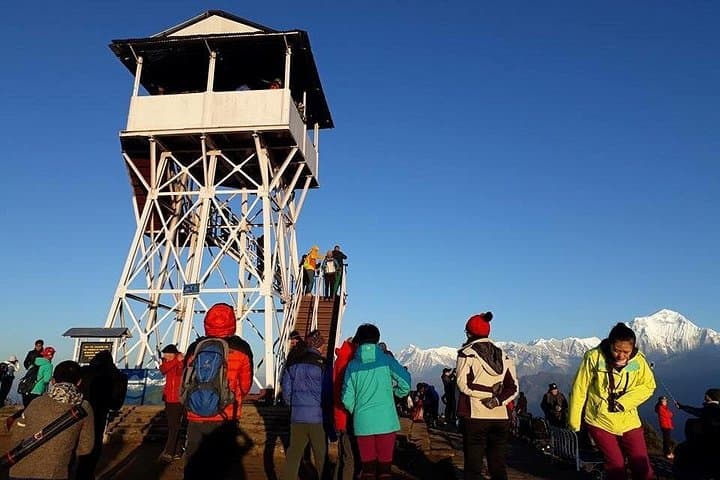
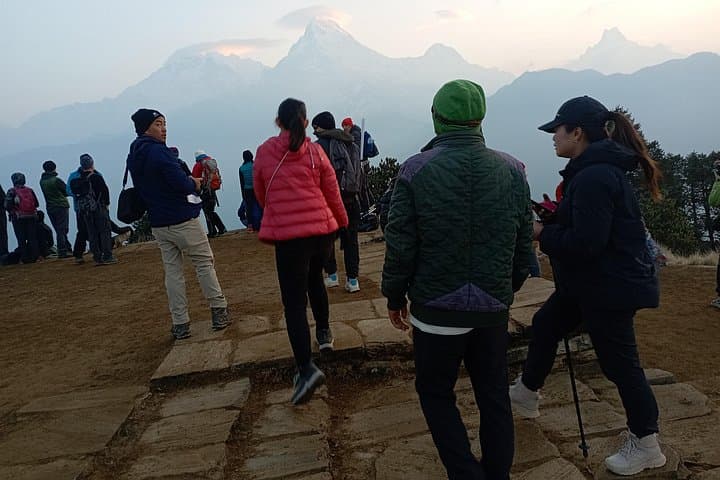
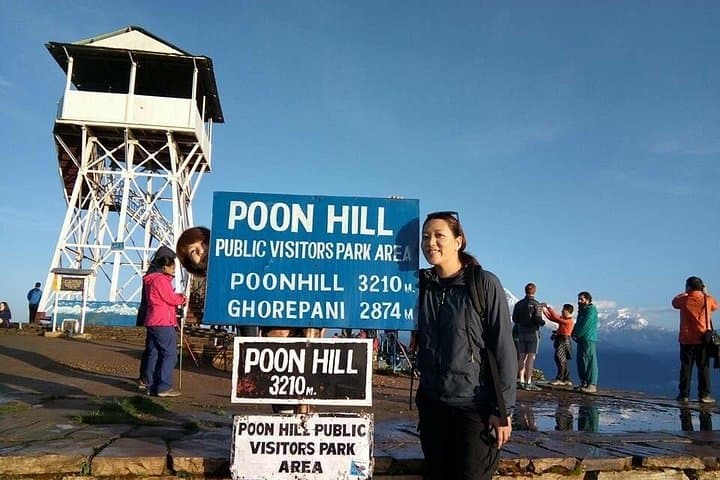
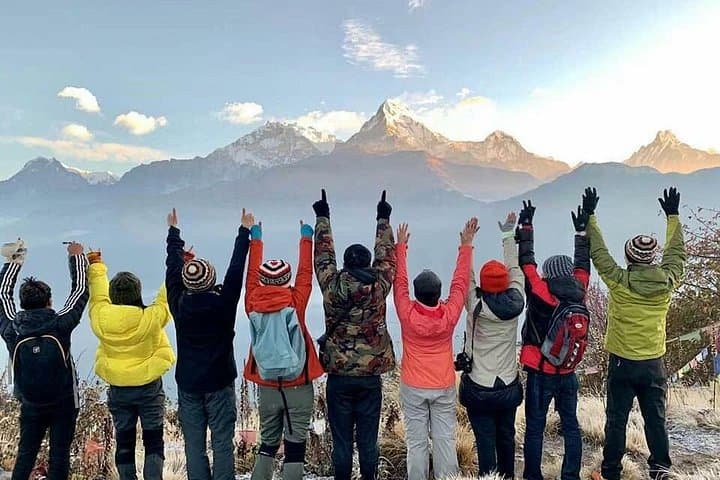
Dawn arrives cold and sharp on Poon Hill: a band of trekkers pressed into the low stone wall, watching the first light climb across Annapurna and Dhaulagiri. The air smells of wood smoke and instant coffee; below, rhododendron forests hold the trail like a stitched seam. This is the Ghorepani—Poon Hill circuit, a short high-country pilgrimage that condenses Himalayan scale into walkable days.
Dawn arrives cold and sharp on Poon Hill: a band of trekkers pressed into the low stone wall, watching the first light climb across Annapurna and Dhaulagiri. The air smells of wood smoke and instant coffee; below, rhododendron forests hold the trail like a stitched seam. This is the Ghorepani—Poon Hill circuit, a short high-country pilgrimage that condenses Himalayan scale into walkable days.
The route threads ancient mule tracks used by Gurung traders and salt caravans. Geologically the trail runs along the southern flanks of the Greater Himalaya, where uplifted marine sediments folded and rose into granite crowns; those peaks jut like the exposed ribs of the range. Culturally the villages—Ghandruk, Ulleri, Tikhedhunga—are living galleries of Gurung architecture and farm terraces; locals still welcome strangers with hot dal bhat and simple teahouse beds.
Expect steep stone staircases, high passes under 3,300 m, and close views of snowfields that seem to watch you back. The Modi Khola murmurs and then dares you to keep pace, while mountain weather can flip from brilliant sun to sleet in an hour.
Practical guidance: plan for early starts (Poon Hill sunrise is busy but worth it), bring layered insulation and a sturdy pair of waterproof boots for slippery steps. Hydrate often—tea houses sell boiled water but carry purification tablets as backup. Cash is essential in villages; charging and hot showers are available but intermittent. Allow time for slow acclimatization between 1,500–3,200 m and favor gradual ascents to reduce altitude effects.
This trek rewards with cinematic alpine panoramas, close cultural exchanges, and a compact, manageable stretch of Himalayan wilderness ideal for first multi-day trekkers.
