THE ADVENTURE COLLECTIVE® · Independent discovery and booking for outdoor travel

Catch sunrise over Annapurna and Dhaulagiri from Poon Hill on a multi-day trek through Ghorepani’s rhododendron forests and Gurung villages. This accessible Himalayan route pairs big mountain views with village teahouse stays.
Catch sunrise over Annapurna and Dhaulagiri from Poon Hill on a multi-day trek through Ghorepani’s rhododendron forests and Gurung villages. This accessible Himalayan route pairs big mountain views with village teahouse stays.
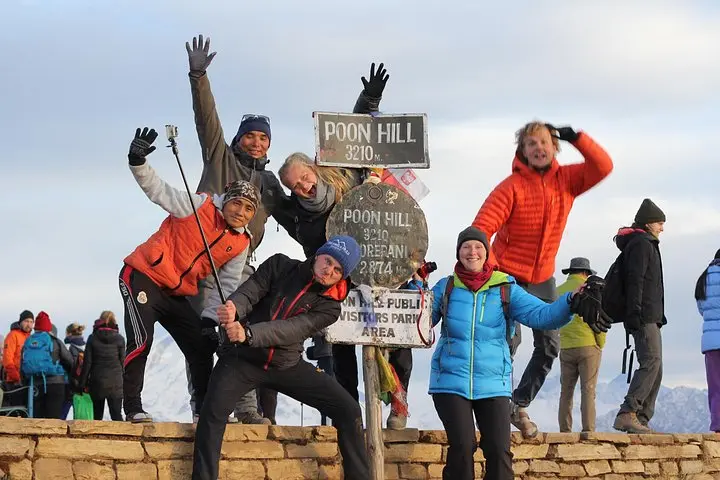
A predawn hush settles over the rhododendron stands as trekkers leave Ghorepani and climb the final switchbacks to Poon Hill. Headlamps bob like fireflies while the silhouette of Machhapuchhre (Fishtail) and the Annapurna massif start to harden against the eastern sky. By the time the sun slips up, valleys and snowy summits are outlined in sharp, cold light — the reason walkers make the early hour.
Verified experiences and guided adventures in the surrounding area.
Operated by Himalayan Circuit · Ghorepani, Gandaki Province
A predawn hush settles over the rhododendron stands as trekkers leave Ghorepani and climb the final switchbacks to Poon Hill. Headlamps bob like fireflies while the silhouette of Machhapuchhre (Fishtail) and the Annapurna massif start to harden against the eastern sky. By the time the sun slips up, valleys and snowy summits are outlined in sharp, cold light — the reason walkers make the early hour.
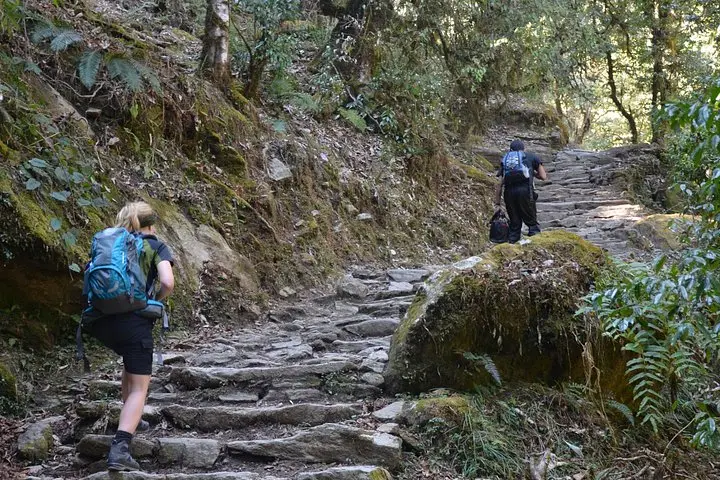
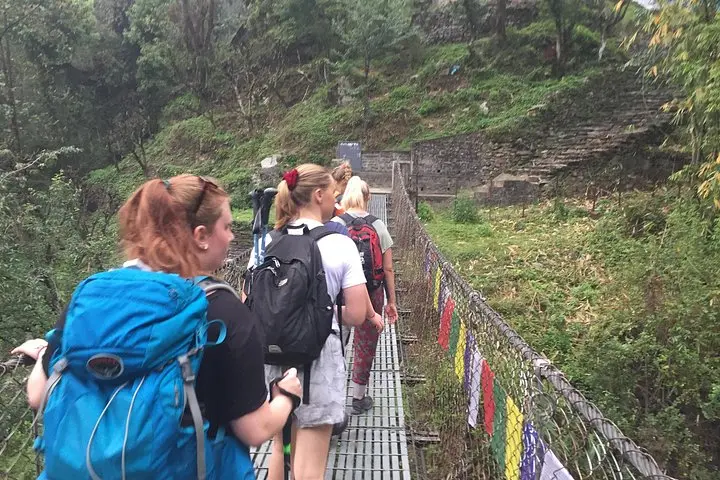
The route threads old Gurung villages, terraced rice fields and oak-rhododendron forest. Geologically the Annapurna range is young and steep, uplifted by the Indian plate meeting Eurasia; the result is dramatic relief and long stone staircases that test the knees. Culturally the trail passes Gurung and Magar settlements where slate-roof houses and prayer flags mark a living mountain heritage. The area sits inside the Annapurna Conservation Area, Nepal’s first and largest protected buffer that balances trekking with local stewardship.
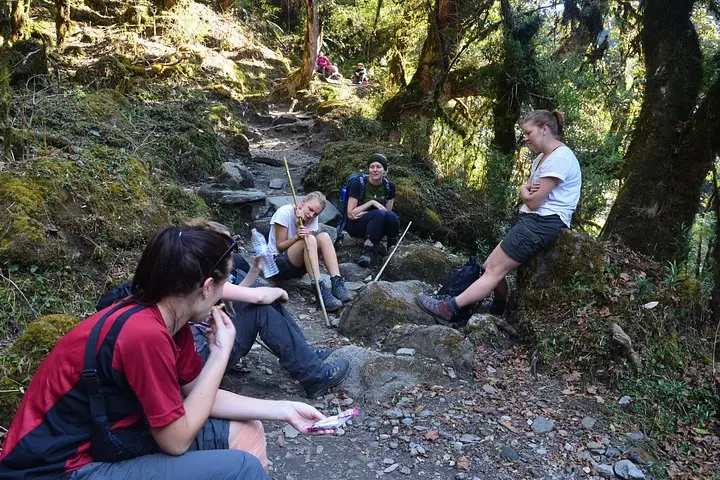
Practically, expect 5–7 hours of walking on steep stone steps or narrow singletrack on key days, altitudes peaking near 3,210 m at Poon Hill. Pack for early-morning cold, bring a headlamp for summit pushes, and keep hydrated — water and small snacks are available in teahouses, but carry cash. Acclimatize by taking shorter first-day climbs and watch for mild altitude symptoms: headaches, reduced appetite, or fatigue. Weather can flip between bright sun and wind-driven clouds; layers and a lightweight waterproof shell are essential. With basic fitness and sensible pacing, the Poon Hill trek delivers Himalayan panoramas, village life, and rhododendron forests in a compact, accessible package.
Yes — you must register with the Trekkers' Information Management System (TIMS) and pay the Annapurna Conservation Area entry fee; guides or operators typically handle this.
Spring (March–May) and fall (September–November) offer the clearest views and rhododendron blooms; winter is colder with clearer skies but more wind.
Daily walking ranges from easy to strenuous: expect steep climbs of several hours, especially to Ulleri and Ghorepani, with long staircase sections that require steady pacing.
Yes — the route uses basic teahouses with dorm-style rooms and meals included on most itineraries, but quality and services vary by village.
Himalayan Circuit operates guided outdoor trips and adventures with an emphasis on safety, stewardship, and memorable experiences.
A predawn hush settles over the rhododendron stands as trekkers leave Ghorepani and climb the final switchbacks to Poon Hill. Headlamps bob like fireflies while the silhouette of Machhapuchhre (Fishtail) and the Annapurna massif start to harden against the eastern sky. By the time the sun slips up, valleys and snowy summits are outlined in sharp, cold light — the reason walkers make the early hour.
A predawn hush settles over the rhododendron stands as trekkers leave Ghorepani and climb the final switchbacks to Poon Hill. Headlamps bob like fireflies while the silhouette of Machhapuchhre (Fishtail) and the Annapurna massif start to harden against the eastern sky. By the time the sun slips up, valleys and snowy summits are outlined in sharp, cold light — the reason walkers make the early hour.
The route threads old Gurung villages, terraced rice fields and oak-rhododendron forest. Geologically the Annapurna range is young and steep, uplifted by the Indian plate meeting Eurasia; the result is dramatic relief and long stone staircases that test the knees. Culturally the trail passes Gurung and Magar settlements where slate-roof houses and prayer flags mark a living mountain heritage. The area sits inside the Annapurna Conservation Area, Nepal’s first and largest protected buffer that balances trekking with local stewardship.
Practically, expect 5–7 hours of walking on steep stone steps or narrow singletrack on key days, altitudes peaking near 3,210 m at Poon Hill. Pack for early-morning cold, bring a headlamp for summit pushes, and keep hydrated — water and small snacks are available in teahouses, but carry cash. Acclimatize by taking shorter first-day climbs and watch for mild altitude symptoms: headaches, reduced appetite, or fatigue. Weather can flip between bright sun and wind-driven clouds; layers and a lightweight waterproof shell are essential. With basic fitness and sensible pacing, the Poon Hill trek delivers Himalayan panoramas, village life, and rhododendron forests in a compact, accessible package.