THE ADVENTURE COLLECTIVE® · Independent discovery and booking for outdoor travel

A seven-day guided trek that moves from Pokhara’s shores into the quieter Annapurna foothills, offering sunrise viewpoints at Mulde and Gurung Hill, rhododendron forests, and traditional Gurung villages. Expect steady ascents, tea-house nights, and panoramic Himalayan vistas.
A seven-day guided trek that moves from Pokhara’s shores into the quieter Annapurna foothills, offering sunrise viewpoints at Mulde and Gurung Hill, rhododendron forests, and traditional Gurung villages. Expect steady ascents, tea-house nights, and panoramic Himalayan vistas.
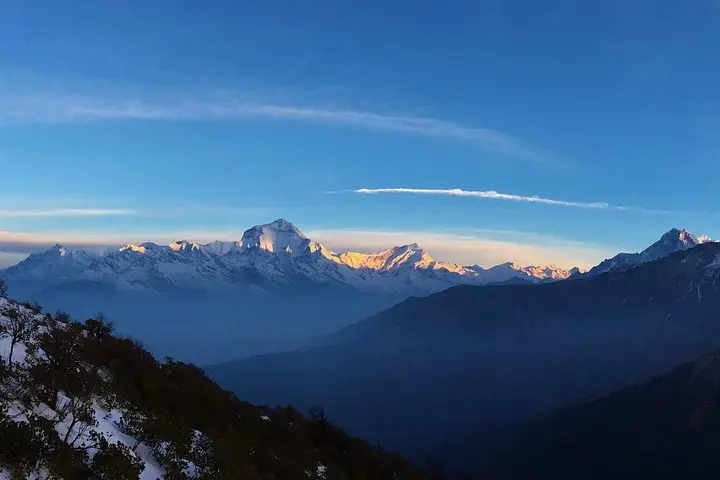
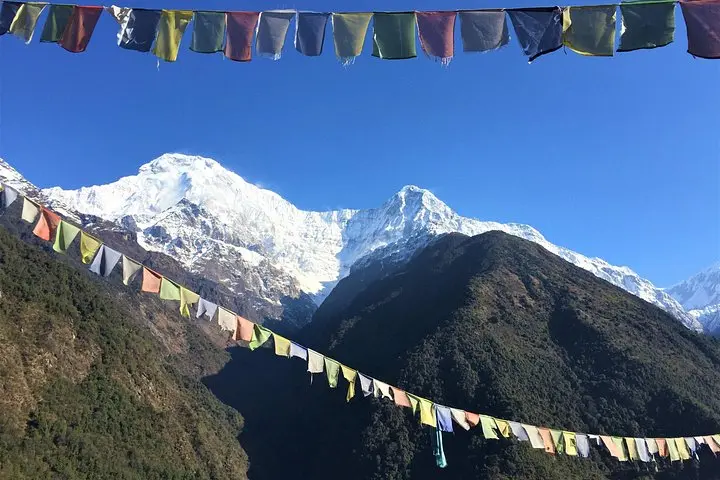
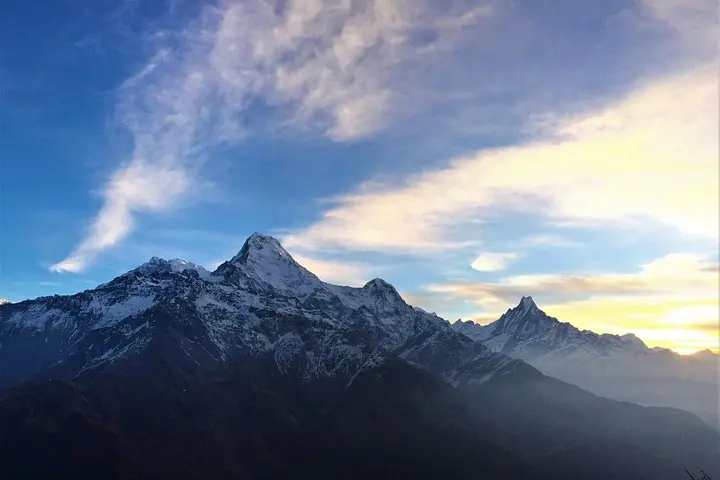
Dawn breaks cold and thin above a ridge; prayer flags clap in a wind that seems to insist you move forward. On day one you trade Pokhara’s lakeside quiet for terraced fields and the steady climb that pulls you into a high Himalayan rhythm — breath, step, breath — with Annapurna and Dhaulagiri rising like patient giants on the horizon.
Verified experiences and guided adventures in the surrounding area.
Operated by Samsara Trekking · Pokhara, Gandaki Province
Dawn breaks cold and thin above a ridge; prayer flags clap in a wind that seems to insist you move forward. On day one you trade Pokhara’s lakeside quiet for terraced fields and the steady climb that pulls you into a high Himalayan rhythm — breath, step, breath — with Annapurna and Dhaulagiri rising like patient giants on the horizon.
The route follows less-traveled trails through Gurung and Magar villages where centuries-old stone houses keep local culture alive. Geologically, you’re walking the frontal ranges of the Greater Himalaya: steeply folded schist and granite uplifted by the collision of the Indian and Eurasian plates, with rivers carving deep valleys that dare you to look down. Rhododendron forests dominate the mid-elevations; above 3,000 m the landscape opens into alpine meadows and yak pastures.
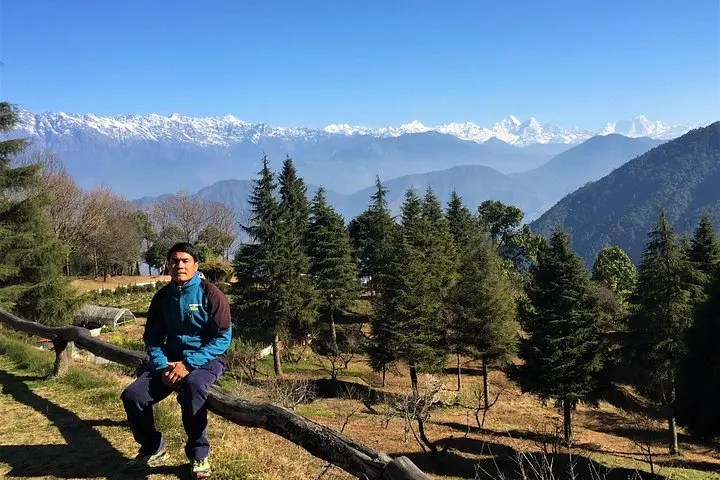
Culturally, small villages serve tea and conversation; expect traditional dal-bhat and warm lodges run by local families. Wildlife is subtle — pheasants call from the understory, and on quiet mornings you may spot Himalayan thar on ridgelines.
Practical guidance: the trek averages 4–6 hours of walking per day with several sustained ascents to 3,600+ m; acclimatize and monitor for symptoms. Carry layered clothing, a warm down layer for mornings at altitude, and a headlamp for early starts to viewpoint climbs. Shoes with 4-season grip and trekking poles reduce knee strain on the long descents. Water is available at lodges but treat or filter when in doubt.
This itinerary rewards steady, prepared hikers with expansive sunrise views from Mulde and Gurung Hill, tea-house hospitality, and a route that feels remote without being inaccessible.
No technical climbing experience is required, but prior multi-day hiking experience and good fitness will make the trek easier; the guide monitors acclimatization.
The itinerary reaches around 3,600–3,700 m on Mulde Peak and nearby viewpoints; altitude awareness is important.
Tea-house lodges typically offer twin or triple rooms and shared bathrooms; standards vary and are basic but warm.
Spring (March–May) and fall (September–November) offer the clearest mountain views and stable weather; monsoon months bring clouds and slippage.
Samsara Trekking operates guided outdoor trips and adventures with an emphasis on safety, stewardship, and memorable experiences.
Dawn breaks cold and thin above a ridge; prayer flags clap in a wind that seems to insist you move forward. On day one you trade Pokhara’s lakeside quiet for terraced fields and the steady climb that pulls you into a high Himalayan rhythm — breath, step, breath — with Annapurna and Dhaulagiri rising like patient giants on the horizon.
Dawn breaks cold and thin above a ridge; prayer flags clap in a wind that seems to insist you move forward. On day one you trade Pokhara’s lakeside quiet for terraced fields and the steady climb that pulls you into a high Himalayan rhythm — breath, step, breath — with Annapurna and Dhaulagiri rising like patient giants on the horizon.
The route follows less-traveled trails through Gurung and Magar villages where centuries-old stone houses keep local culture alive. Geologically, you’re walking the frontal ranges of the Greater Himalaya: steeply folded schist and granite uplifted by the collision of the Indian and Eurasian plates, with rivers carving deep valleys that dare you to look down. Rhododendron forests dominate the mid-elevations; above 3,000 m the landscape opens into alpine meadows and yak pastures.
Culturally, small villages serve tea and conversation; expect traditional dal-bhat and warm lodges run by local families. Wildlife is subtle — pheasants call from the understory, and on quiet mornings you may spot Himalayan thar on ridgelines.
Practical guidance: the trek averages 4–6 hours of walking per day with several sustained ascents to 3,600+ m; acclimatize and monitor for symptoms. Carry layered clothing, a warm down layer for mornings at altitude, and a headlamp for early starts to viewpoint climbs. Shoes with 4-season grip and trekking poles reduce knee strain on the long descents. Water is available at lodges but treat or filter when in doubt.
This itinerary rewards steady, prepared hikers with expansive sunrise views from Mulde and Gurung Hill, tea-house hospitality, and a route that feels remote without being inaccessible.