
Anne Frank’s Amsterdam Walking Tour: Jewish Quarter History & Holocaust Memorial
Walk the streets that witnessed Amsterdam’s Jewish life before and during WWII on a 105‑minute guided tour of the Jewish Quarter. Learn about deportations, the February Strike, and end at the Holocaust Memorial for a quiet moment of reflection.
An Adventure In Amsterdam.
Walk the streets that witnessed Amsterdam’s Jewish life before and during WWII on a 105‑minute guided tour of the Jewish Quarter. Learn about deportations, the February Strike, and end at the Holocaust Memorial for a quiet moment of reflection.
Read the full experience
A damp morning light slides across the canals as you step off the tram into Amsterdam’s Plantage district—cobblestones underfoot, row houses leaning in to listen. This 105‑minute walk follows streets that carried lives, loss, and quiet resistance, guiding you from explanatory stops through the Jewish Quarter to a final, reflective pause at the Holocaust Memorial.
A damp morning light slides across the canals as you step off the tram into Amsterdam’s Plantage district—cobblestones underfoot, row houses leaning in to listen. This 105‑minute walk follows streets that carried lives, loss, and quiet resistance, guiding you from explanatory stops through the Jewish Quarter to a final, reflective pause at the Holocaust Memorial.
The route traces layers of history: early modern canal expansion, 19th‑century Jewish settlement, and the catastrophic ruptures of World War II when deportations emptied entire neighborhoods. You’ll hear about the February Strike of 1941, the Winter of Hunger, and how tram lines became grim arteries to camps—context that locates personal stories in the city’s urban fabric.
Geology here is subtle but constant: built on clay and peat, Amsterdam’s foundations have always required care, and the gentle tilt of façades and the canals’ slow motion are reminders of an engineered landscape that shaped daily life.
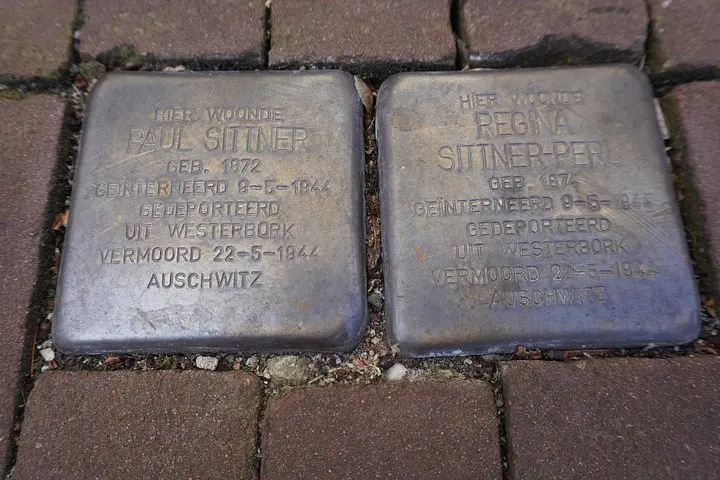
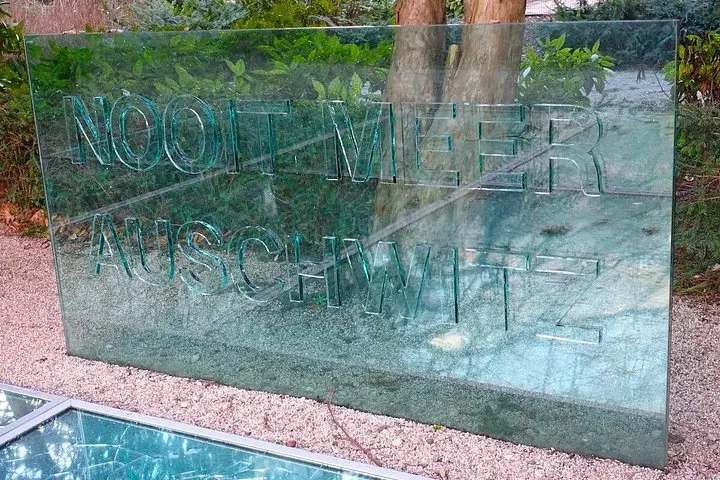
Culturally, the tour illuminates Jewish life before the war and Amsterdam’s postwar memory culture, ending at engraved names and quiet spaces meant for listening rather than speaking.
Practical guidance: the walk is on paved city streets and is rated easy—suitable for most fitness levels. Wear comfortable shoes and a rain layer; trams and buses stop nearby. Note: this tour does not include entry to the Anne Frank House and does not pass its doorway. Photography is allowed at public sites but be discrete and respectful at memorials. Allow time afterward to visit nearby museums or sit by a canal to process the experience.
Frequently asked questions
No. This tour does not include entry to the Anne Frank House and does not pass by its doorway; it focuses on broader Jewish Quarter history and memorial sites.
Much of the route is on paved streets but cobbles and occasional narrow sidewalks may be challenging; contact the operator ahead to discuss accessibility needs.
Meeting is typically in the Plantage area near tram stops—public transportation options are readily available and the neighborhood is central to Amsterdam's tram network.
A licensed local guide leads the group and may use a portable amplification system; confirm any audio equipment needs with the provider before booking.
About This Experience
RoamWorldTours operates guided outdoor trips and adventures with an emphasis on safety, stewardship, and memorable experiences.
Adventure tips
Recommended gear
- Comfortable walking shoes: Support and traction for cobbled streets and city sidewalks.
- Light rain jacket: Spring showers are common—stay dry without overheating.
- Layered clothing: Mornings can be cool and afternoons warmer; layers help regulate comfort.
- Small water bottle: Keep hydrated during the walk—refill stations and cafés are available nearby.
Photos of the experience

Related adventures & guides
Read the full experience
A damp morning light slides across the canals as you step off the tram into Amsterdam’s Plantage district—cobblestones underfoot, row houses leaning in to listen. This 105‑minute walk follows streets that carried lives, loss, and quiet resistance, guiding you from explanatory stops through the Jewish Quarter to a final, reflective pause at the Holocaust Memorial.
A damp morning light slides across the canals as you step off the tram into Amsterdam’s Plantage district—cobblestones underfoot, row houses leaning in to listen. This 105‑minute walk follows streets that carried lives, loss, and quiet resistance, guiding you from explanatory stops through the Jewish Quarter to a final, reflective pause at the Holocaust Memorial.
The route traces layers of history: early modern canal expansion, 19th‑century Jewish settlement, and the catastrophic ruptures of World War II when deportations emptied entire neighborhoods. You’ll hear about the February Strike of 1941, the Winter of Hunger, and how tram lines became grim arteries to camps—context that locates personal stories in the city’s urban fabric.
Geology here is subtle but constant: built on clay and peat, Amsterdam’s foundations have always required care, and the gentle tilt of façades and the canals’ slow motion are reminders of an engineered landscape that shaped daily life.
Culturally, the tour illuminates Jewish life before the war and Amsterdam’s postwar memory culture, ending at engraved names and quiet spaces meant for listening rather than speaking.
Practical guidance: the walk is on paved city streets and is rated easy—suitable for most fitness levels. Wear comfortable shoes and a rain layer; trams and buses stop nearby. Note: this tour does not include entry to the Anne Frank House and does not pass its doorway. Photography is allowed at public sites but be discrete and respectful at memorials. Allow time afterward to visit nearby museums or sit by a canal to process the experience.
Make a day of it nearby.
Verified experiences and guided adventures in the surrounding area.