THE ADVENTURE COLLECTIVE® · Independent discovery and booking for outdoor travel

Explore Antalya’s Kaleiçi with a local guide who opens doors to authentic bazaars, trusted jewelry and leather shops, and modern malls. This four-hour private tour blends cultural context with practical shopping smarts.
Explore Antalya’s Kaleiçi with a local guide who opens doors to authentic bazaars, trusted jewelry and leather shops, and modern malls. This four-hour private tour blends cultural context with practical shopping smarts.
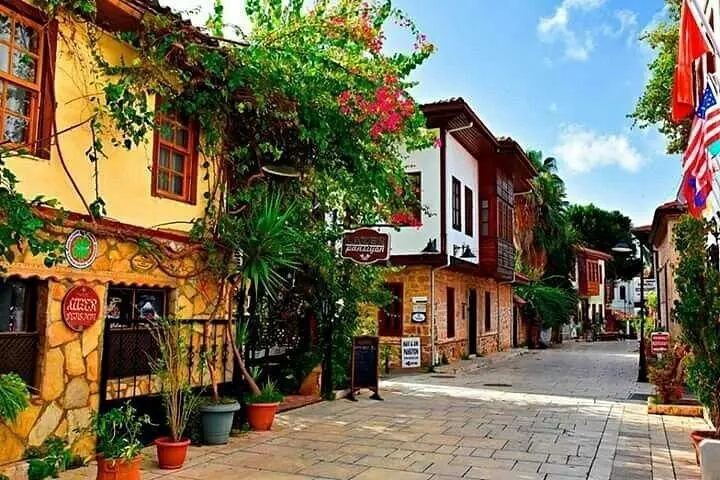
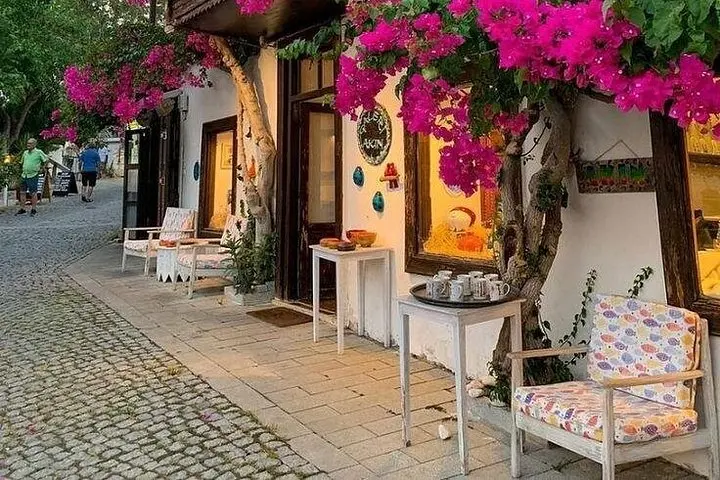
A morning in Antalya’s Old Town begins with cobbled streets warming under a Mediterranean sun and the sea’s edge close enough to taste. Walk through Kaleiçi and the market stalls press in from both sides—spices piled like color, copper lamps swinging above, and the smell of baking simit pulling you toward a small cafe. The guide steers you past tourist traps to trusted shops where leather and jewelry are verified and carpet-weaving traditions are explained with practiced patience.
Verified experiences and guided adventures in the surrounding area.
Operated by Cappadocia Phoenix Travel · Antalya, Antalya Province
A morning in Antalya’s Old Town begins with cobbled streets warming under a Mediterranean sun and the sea’s edge close enough to taste. Walk through Kaleiçi and the market stalls press in from both sides—spices piled like color, copper lamps swinging above, and the smell of baking simit pulling you toward a small cafe. The guide steers you past tourist traps to trusted shops where leather and jewelry are verified and carpet-weaving traditions are explained with practiced patience.
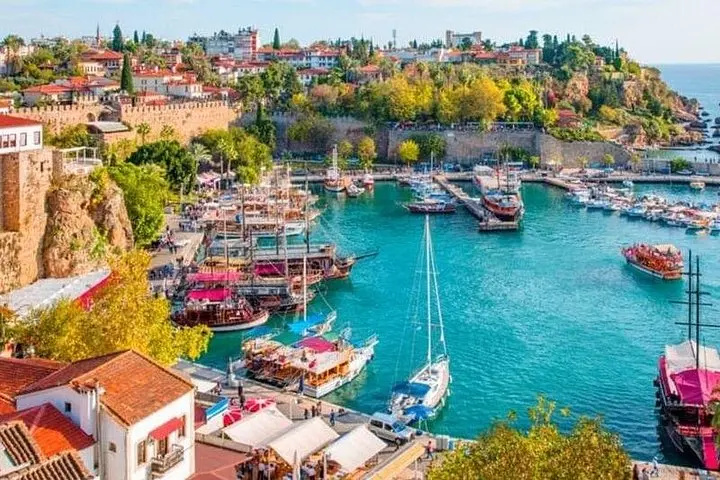
Antalya’s port-side Old Town dates to the Roman and Byzantine eras; the lay of the land follows ancient walls and harbor terraces carved into limestone terraces. The city’s history is visible in narrow alleys, Ottoman-era houses, and layers of trade-era architecture that shaped local crafts and tastes. Modern shopping malls sit a short drive away, reflecting Antalya’s role as both provincial capital and international gateway.
Expect a paced, four-hour private experience: browsing bazaars, handling handmade ceramics, seeing a carpet center demonstration, and a stop at a contemporary mall for brands and comforts. Cultural etiquette is simple—ask before photographing vendors, use polite bargaining, and accept small offers of tea.
Practical tips: wear sturdy walking shoes for uneven stone, bring cash in small bills for market purchases, carry a refillable water bottle, and schedule morning or late-afternoon slots in summer to avoid peak heat. With an informed local, shopping in Antalya becomes part cultural education, part urban hike—rich in material culture and straightforward logistics.
Yes — polite bargaining is customary in bazaars; start lower and negotiate respectfully. Fixed-price shops and malls expect no haggling.
Malls and established shops accept cards, but many small vendors and bazaars prefer cash — keep local currency handy.
Transportation and some routes are wheelchair accessible, but narrow historical alleys may be uneven; check pickup and route details with the operator.
Yes — the private guide assists with trusted shops and can explain authenticity certificates, materials, and common quality markers.
Cappadocia Phoenix Travel operates guided outdoor trips and adventures with an emphasis on safety, stewardship, and memorable experiences.
A morning in Antalya’s Old Town begins with cobbled streets warming under a Mediterranean sun and the sea’s edge close enough to taste. Walk through Kaleiçi and the market stalls press in from both sides—spices piled like color, copper lamps swinging above, and the smell of baking simit pulling you toward a small cafe. The guide steers you past tourist traps to trusted shops where leather and jewelry are verified and carpet-weaving traditions are explained with practiced patience.
A morning in Antalya’s Old Town begins with cobbled streets warming under a Mediterranean sun and the sea’s edge close enough to taste. Walk through Kaleiçi and the market stalls press in from both sides—spices piled like color, copper lamps swinging above, and the smell of baking simit pulling you toward a small cafe. The guide steers you past tourist traps to trusted shops where leather and jewelry are verified and carpet-weaving traditions are explained with practiced patience.
Antalya’s port-side Old Town dates to the Roman and Byzantine eras; the lay of the land follows ancient walls and harbor terraces carved into limestone terraces. The city’s history is visible in narrow alleys, Ottoman-era houses, and layers of trade-era architecture that shaped local crafts and tastes. Modern shopping malls sit a short drive away, reflecting Antalya’s role as both provincial capital and international gateway.
Expect a paced, four-hour private experience: browsing bazaars, handling handmade ceramics, seeing a carpet center demonstration, and a stop at a contemporary mall for brands and comforts. Cultural etiquette is simple—ask before photographing vendors, use polite bargaining, and accept small offers of tea.
Practical tips: wear sturdy walking shoes for uneven stone, bring cash in small bills for market purchases, carry a refillable water bottle, and schedule morning or late-afternoon slots in summer to avoid peak heat. With an informed local, shopping in Antalya becomes part cultural education, part urban hike—rich in material culture and straightforward logistics.