THE ADVENTURE COLLECTIVE® · Independent discovery and booking for outdoor travel

Spend a day from Antalya exploring Perge’s colonnaded avenues, the remarkably intact Aspendos theater, and Side’s coastal temples. This guided tour combines classical history with practical travel—expect uneven stone, sun, and a compact itinerary ideal for a single-day cultural push.
Spend a day from Antalya exploring Perge’s colonnaded avenues, the remarkably intact Aspendos theater, and Side’s coastal temples. This guided tour combines classical history with practical travel—expect uneven stone, sun, and a compact itinerary ideal for a single-day cultural push.
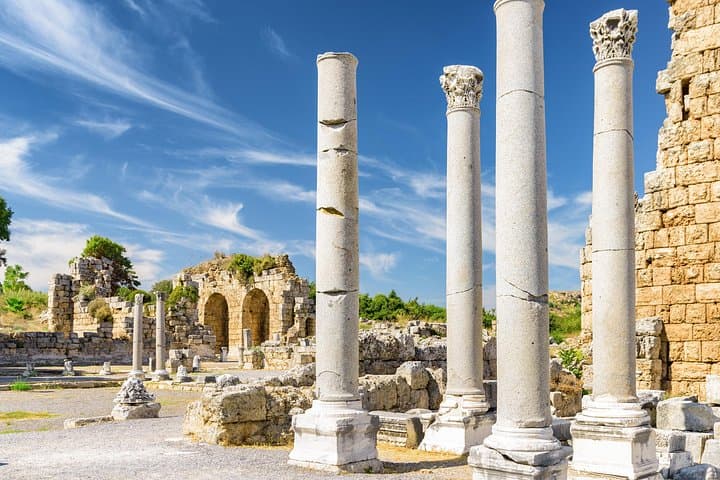
You step off the coach into a wide Marbled street and the sun hits carved columns—the stones themselves feel like pages of a chronicle written in limestone. The day tour from Antalya threads three archaeological chapters: Perge’s monumental gateways, Aspendos’ thunderous amphitheater, and Side’s temple-lined waterfront.
Verified experiences and guided adventures in the surrounding area.
Operated by Tourmania · Antalya, Antalya Province
You step off the coach into a wide Marbled street and the sun hits carved columns—the stones themselves feel like pages of a chronicle written in limestone. The day tour from Antalya threads three archaeological chapters: Perge’s monumental gateways, Aspendos’ thunderous amphitheater, and Side’s temple-lined waterfront.
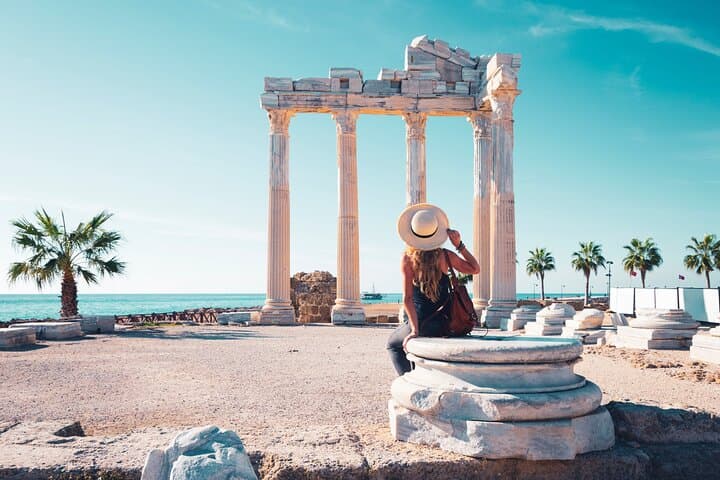
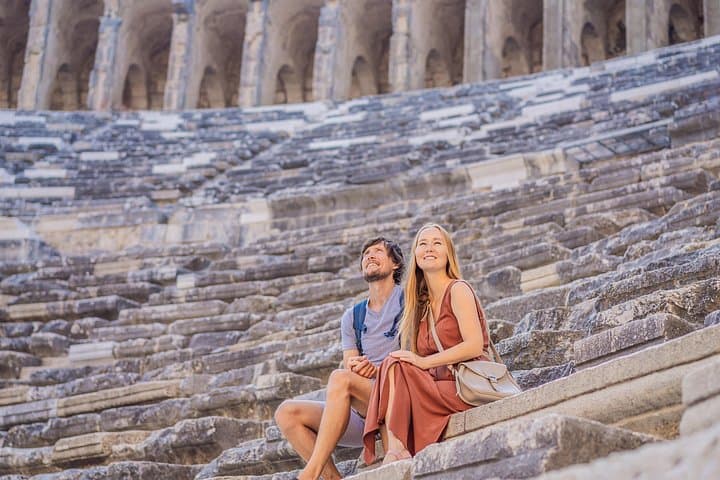
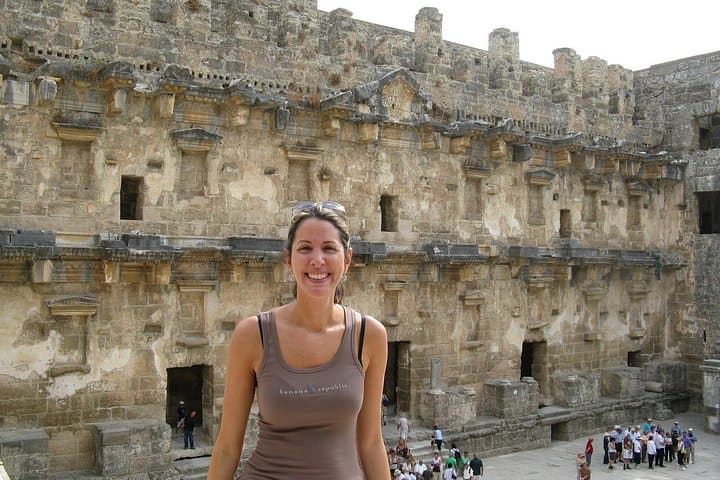
Perge began as an Anatolian settlement that flourished under Hellenistic and Roman rule; its colonnaded avenues and well-preserved stadium reveal urban planning and public life from the 2nd century BCE into the Roman era. Aspendos, architecturally loud and physically intact, still projects the acoustics that once carried gladiatorial spectacle and music. Side offers a different texture: a harbor town shaped by trade, with the temple of Apollo standing guard over the Mediterranean and narrow streets that recall Byzantine and Ottoman layers.
Geology here is Mediterranean limestone and alluvial plains; olive-silvered hills press close to the coast. Local culture is a pragmatic mix of modern tourism and small-town hospitality—expect roadside shops selling spices, woven textiles, and replicas of classical sculpture.
Practical guidance: the tour runs about ten hours with moderate walking on uneven surfaces and loose stone. Bring sun protection, sturdy closed-toe shoes, and a refillable water bottle. Weather can shift quickly near the coast—carry a light layer. Photography is generally allowed but respect signage at excavation sites. If you want quieter moments, plan to arrive on earlier departures or during shoulder season; the ruins are best appreciated before midday heat and crowds gather.
The tour listing notes Aspendos admission is included for some options; confirm at booking whether entrance fees for Perge and museum displays are covered or payable on-site.
Expect moderate walking over uneven ground—stairs in theaters and open archaeological zones—total distance around 2–4 miles spread across the day.
Most departures include hotel pickup and drop-off within Antalya; confirm your pickup point when booking and allow time for a shared transfer route.
The tour is family-friendly but not recommended for guests with serious mobility constraints or heart problems due to stairs and uneven terrain; check accessibility with the operator beforehand.
Tourmania operates guided outdoor trips and adventures with an emphasis on safety, stewardship, and memorable experiences.
You step off the coach into a wide Marbled street and the sun hits carved columns—the stones themselves feel like pages of a chronicle written in limestone. The day tour from Antalya threads three archaeological chapters: Perge’s monumental gateways, Aspendos’ thunderous amphitheater, and Side’s temple-lined waterfront.
You step off the coach into a wide Marbled street and the sun hits carved columns—the stones themselves feel like pages of a chronicle written in limestone. The day tour from Antalya threads three archaeological chapters: Perge’s monumental gateways, Aspendos’ thunderous amphitheater, and Side’s temple-lined waterfront.
Perge began as an Anatolian settlement that flourished under Hellenistic and Roman rule; its colonnaded avenues and well-preserved stadium reveal urban planning and public life from the 2nd century BCE into the Roman era. Aspendos, architecturally loud and physically intact, still projects the acoustics that once carried gladiatorial spectacle and music. Side offers a different texture: a harbor town shaped by trade, with the temple of Apollo standing guard over the Mediterranean and narrow streets that recall Byzantine and Ottoman layers.
Geology here is Mediterranean limestone and alluvial plains; olive-silvered hills press close to the coast. Local culture is a pragmatic mix of modern tourism and small-town hospitality—expect roadside shops selling spices, woven textiles, and replicas of classical sculpture.
Practical guidance: the tour runs about ten hours with moderate walking on uneven surfaces and loose stone. Bring sun protection, sturdy closed-toe shoes, and a refillable water bottle. Weather can shift quickly near the coast—carry a light layer. Photography is generally allowed but respect signage at excavation sites. If you want quieter moments, plan to arrive on earlier departures or during shoulder season; the ruins are best appreciated before midday heat and crowds gather.