THE ADVENTURE COLLECTIVE® · Independent discovery and booking for outdoor travel

A single-day loop from Antalya that stitches two dramatic waterfalls with a coastal boat ride. Expect cool cliffside viewing platforms, short forest walks, birdwatching windows, and an hour on the harbor where sea caves and cliffs rewrite the shoreline.
A single-day loop from Antalya that stitches two dramatic waterfalls with a coastal boat ride. Expect cool cliffside viewing platforms, short forest walks, birdwatching windows, and an hour on the harbor where sea caves and cliffs rewrite the shoreline.
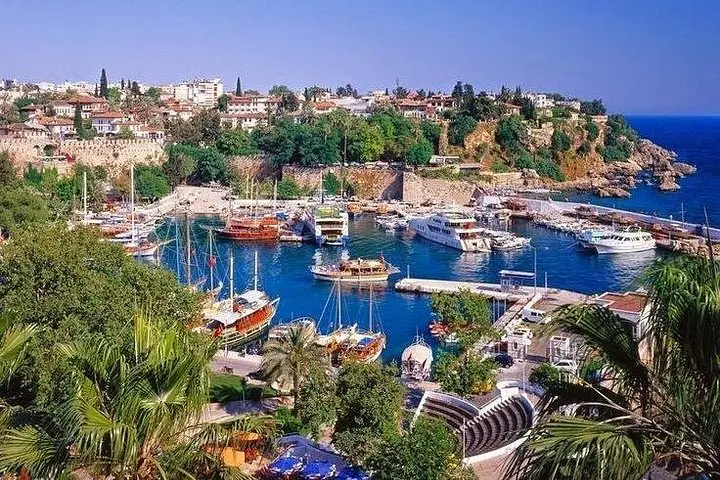
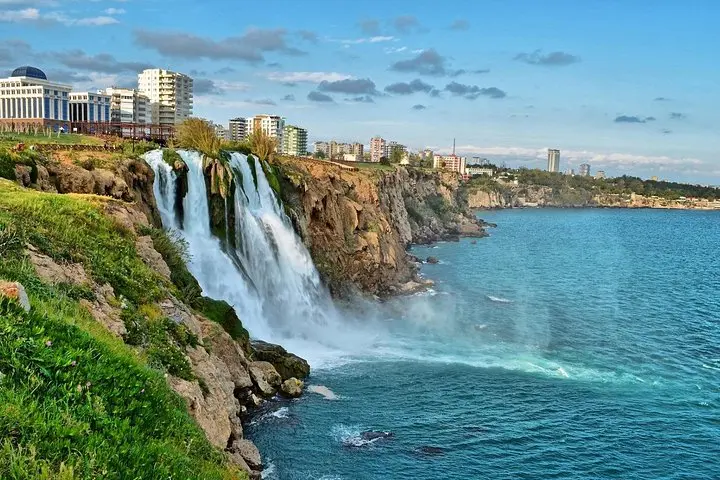
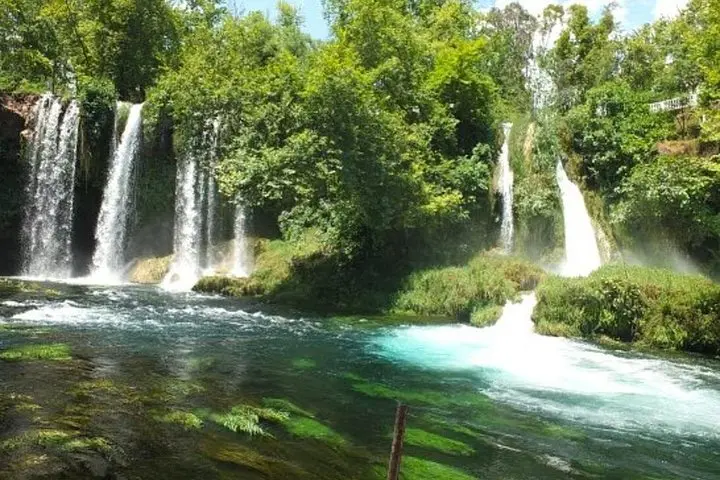
You step off the mini-coach and the sound arrives before the view: a thunder of water throwing itself over limestone lips, spray catching the Mediterranean sun like shattered glass. The Düden rivers, which begin in the Taurus foothills, carve gutters through the farmland and then edge into Antalya—pushing toward the sea with the impatience of a traveler who’s seen enough land. On this six- to seven-hour loop from the city, you’ll move from manicured cliffside terraces to a wild pocket of forested canyon and finish with a calm hour on the water, where the harbor and a sea cave frame the shoreline.
Verified experiences and guided adventures in the surrounding area.
Operated by SOLYMOS TRAVEL · Antalya, Antalya
You step off the mini-coach and the sound arrives before the view: a thunder of water throwing itself over limestone lips, spray catching the Mediterranean sun like shattered glass. The Düden rivers, which begin in the Taurus foothills, carve gutters through the farmland and then edge into Antalya—pushing toward the sea with the impatience of a traveler who’s seen enough land. On this six- to seven-hour loop from the city, you’ll move from manicured cliffside terraces to a wild pocket of forested canyon and finish with a calm hour on the water, where the harbor and a sea cave frame the shoreline.
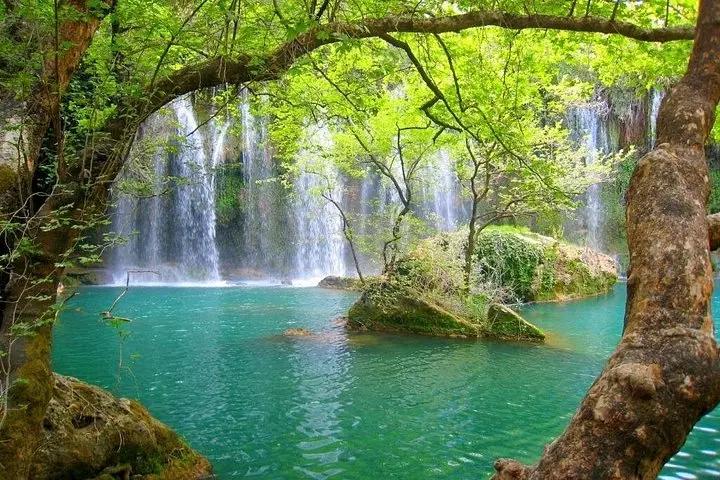
Antalya is an ancient port—founded in the second century BCE by Attalos II—and its coastline is shaped by karst geology: limestone that dissolves into caves, gorges, and sudden drops where rivers like Düden make dramatic exits. Karpuzkaldıran Waterfall sits higher and quieter than the Lower Düden; it’s the kind of place where the air cools and moss claims the rocks. Nearby stretches of Antalya’s national park support migratory birds and a scrub of Mediterranean maquis that scents the wind with pine and wild thyme.
Locals combine this geography with practical hospitality. The boat trip, typically from the old harbor or the Lower Düden inlet, gives a different angle—sea-swallowed cliffs and the waterfall’s curtain from below. Guides often fold in regional history, pointing out Ottoman-period stonework and explaining how seasonal streams fed ancient irrigation.
Practicalities: the tour runs about 6–7 hours (including two roughly 90–120 minute visits at the main waterfalls and a one-hour boat ride). Walking is short and generally on paved paths and viewing platforms, but expect steps and some uneven stone at lookout points. The itinerary is wheelchair- and stroller-accessible in many areas, but ask about specific drop-offs when you book. Bring a refillable water bottle, sunscreen, and slip-resistant shoes—spray from the falls makes surfaces slick.
Timing matters: mornings are best for bird activity and cooler temperatures; late afternoon gives the falls a warmer light for photos and a quieter harbor boat ride. If you want to swim, check with your guide—some areas are safe while others have currents that don’t negotiate.
What to expect from the day: accessible transport and included admission, a guided short hike and viewing time at both Düden and Karpuzkaldıran, bird-watching windows in the national park, and a relaxed coastal boat trip. It’s a compact sampler of Antalya’s coastal geology, natural drama, and city-side maritime life—good for travelers who want variety without strenuous objectives.
The standard boat segment is about 60 minutes and takes you along the coast and near the sea cave beneath the Lower Düden falls.
Yes—entry fees for the listed sites and lunch are included in the tour price as described in the itinerary.
The tour notes state stroller and wheelchair accessibility and that infants may sit on laps; confirm specific pickup/drop-off and accessibility needs when booking.
Swimming rules vary by site and season; always follow your guide’s instructions—some coastal spots near the falls are unsafe due to currents.
Hotel pickup across Antalya zones is offered; plan to be ready about 45 minutes before the scheduled departure time.
A lightweight pair of binoculars and a small field guide or phone app will help—early morning is best for bird activity.
SOLYMOS TRAVEL operates guided outdoor trips and adventures with an emphasis on safety, stewardship, and memorable experiences.
You step off the mini-coach and the sound arrives before the view: a thunder of water throwing itself over limestone lips, spray catching the Mediterranean sun like shattered glass. The Düden rivers, which begin in the Taurus foothills, carve gutters through the farmland and then edge into Antalya—pushing toward the sea with the impatience of a traveler who’s seen enough land. On this six- to seven-hour loop from the city, you’ll move from manicured cliffside terraces to a wild pocket of forested canyon and finish with a calm hour on the water, where the harbor and a sea cave frame the shoreline.
You step off the mini-coach and the sound arrives before the view: a thunder of water throwing itself over limestone lips, spray catching the Mediterranean sun like shattered glass. The Düden rivers, which begin in the Taurus foothills, carve gutters through the farmland and then edge into Antalya—pushing toward the sea with the impatience of a traveler who’s seen enough land. On this six- to seven-hour loop from the city, you’ll move from manicured cliffside terraces to a wild pocket of forested canyon and finish with a calm hour on the water, where the harbor and a sea cave frame the shoreline.
Antalya is an ancient port—founded in the second century BCE by Attalos II—and its coastline is shaped by karst geology: limestone that dissolves into caves, gorges, and sudden drops where rivers like Düden make dramatic exits. Karpuzkaldıran Waterfall sits higher and quieter than the Lower Düden; it’s the kind of place where the air cools and moss claims the rocks. Nearby stretches of Antalya’s national park support migratory birds and a scrub of Mediterranean maquis that scents the wind with pine and wild thyme.
Locals combine this geography with practical hospitality. The boat trip, typically from the old harbor or the Lower Düden inlet, gives a different angle—sea-swallowed cliffs and the waterfall’s curtain from below. Guides often fold in regional history, pointing out Ottoman-period stonework and explaining how seasonal streams fed ancient irrigation.
Practicalities: the tour runs about 6–7 hours (including two roughly 90–120 minute visits at the main waterfalls and a one-hour boat ride). Walking is short and generally on paved paths and viewing platforms, but expect steps and some uneven stone at lookout points. The itinerary is wheelchair- and stroller-accessible in many areas, but ask about specific drop-offs when you book. Bring a refillable water bottle, sunscreen, and slip-resistant shoes—spray from the falls makes surfaces slick.
Timing matters: mornings are best for bird activity and cooler temperatures; late afternoon gives the falls a warmer light for photos and a quieter harbor boat ride. If you want to swim, check with your guide—some areas are safe while others have currents that don’t negotiate.
What to expect from the day: accessible transport and included admission, a guided short hike and viewing time at both Düden and Karpuzkaldıran, bird-watching windows in the national park, and a relaxed coastal boat trip. It’s a compact sampler of Antalya’s coastal geology, natural drama, and city-side maritime life—good for travelers who want variety without strenuous objectives.