THE ADVENTURE COLLECTIVE® · Independent discovery and booking for outdoor travel

Walk into Antelope Canyon on Navajo Nation land for a compact, unforgettable slot-canyon experience. Book a guided entry, respect local rules, and aim for midday light shafts or early-morning calm for the best visit.
Walk into Antelope Canyon on Navajo Nation land for a compact, unforgettable slot-canyon experience. Book a guided entry, respect local rules, and aim for midday light shafts or early-morning calm for the best visit.
Book with Navajo Nation Parks
Verified experiences and guided adventures in the surrounding area.
5,914 ratings
Operated by Navajo Nation Parks · Saint Michaels, Arizona
Antelope Canyon sits on Navajo Nation land near Saint Michaels, Arizona, and offers one of the Southwest's most magnetic slot-canyon experiences. Stepping into the canyon feels like walking into a red-orange cathedral carved by flash floods over millennia: narrow corridors of Navajo sandstone fold, sculpted striations ripple across polished walls, and when the sun hits just right shafts of light punch through to illuminate dust and sand below. The canyon's sinuous forms, deep alcoves and tight passageways create dramatic photo opportunities and a visceral sense of scale.
Tours through Antelope Canyon focus on short, guided walks through Upper and Lower sections (confirm which section is available with your booking). Key features include tight, winding slots, sculpted concave walls, and the distinct banding of Navajo sandstone that records cycles of wind and water. Unique geological elements to look for are the smooth, undulating walls, thin vertical seams where water once raced, and the local desert flora that clings to canyon rims. Respect local regulations: no climbing on formations, no drones, and no acts of desecration. Permits are required for hiking and camping beyond designated areas.
This experience is not only geological but cultural: the canyon exists within Navajo lands, and visitors are expected to follow rules that protect both the landscape and local traditions. Guides often share brief cultural insights during tours; listen and follow instructions to protect fragile surfaces and sacred sites.
Practical details: tours are short but popular—book ahead via the listed referral link, bring sturdy shoes for sandy, uneven footing, and carry water. Photography is the star attraction here; a wide-angle lens and a gentle tripod will help capture light shafts and layered walls. Avoid bulky tripods during peak crowds or confirm if tripods are allowed on your tour. Plan on arriving early or late in the day when group sizes shrink and temperatures are milder; midday produces the iconic light shafts but draws the largest crowds. Guides manage group flow to protect fragile floors and reveal the best angles—ask about less-crowded departure times when you book. Bring patience: narrow passages require single-file movement and a steady pace to keep tours safe and respectful.
Why book this trip? Antelope Canyon condenses the drama of the Colorado Plateau into compressed, intimate spaces where light sculpts stone into living shapes. It's a stand-out destination because the canyon's narrow geometry amplifies light and texture in ways you won't find on wide mesa views, and because access is regulated to preserve its fragile beauty. Whether you're chasing that perfect shaft of light or simply want to feel the canyon close around you, a guided visit provides safe, informed access—supporting local rules and helping protect one of the region's most photographed natural interiors.
A guided entry fee functions as the required access for the canyon; additional permits are needed for hiking or camping beyond designated areas—confirm at booking.
No—drones are prohibited in accordance with Navajo rules and to protect safety and cultural sites.
Midday when the sun is high produces the iconic shafts, but those hours are busiest—ask guides for specific timing during your visit.
Many tours welcome children but expect narrow, uneven sections that may be difficult for some mobility devices; check accessibility details with the operator before booking.
Tripod policies vary by tour; a small, unobtrusive tripod is often allowed but confirm at booking to avoid issues on arrival.
Follow your guide, avoid touching or climbing formations, do not fly drones, and refrain from any actions described as desecration—these rules protect both landscape and culture.
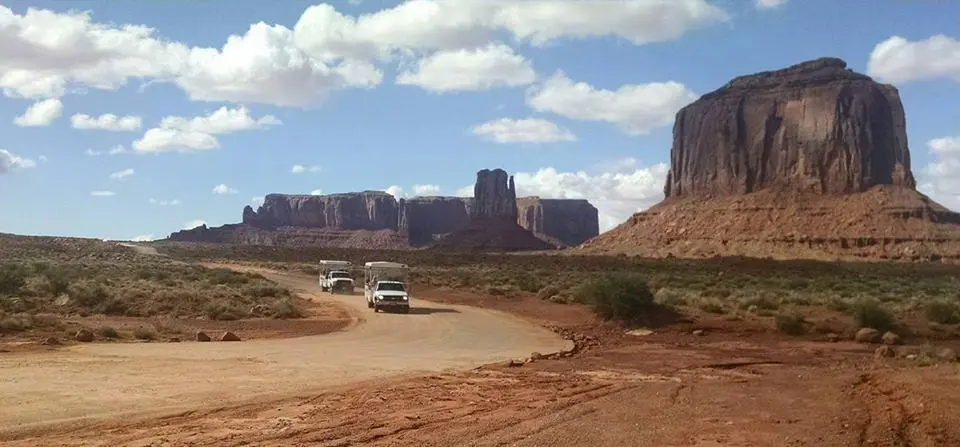
Navajo Nation Parks manages and administers a network of parks and recreation areas on the Navajo Nation, including facilities and access for iconic destinations such as Monument Valley. Based in Saint Michaels, Arizona, Navajo Nation Parks oversees park operations, visitor access, and the collection of entry fees where required. The organization provides official entry permits and fee processing for Monument Valley to support park maintenance, cultural preservation, and visitor services. Visitors seeking access to Monument Valley purchase an entry fee that helps fund trail upkeep, signage, and tribal resource protection. Navajo Nation Parks works with tribal leaders and local communities to ensure that park policies reflect cultural values and natural resource stewardship. Staff coordinate with public safety, interpretive programs, and land managers to provide reliable information about access, seasonal conditions, and permitted activities. Navajo Nation Parks is recognized as the official authority responsible for the administration of park fees and visitor access on Navajo Nation lands. Information about entry requirements, hours, and fee schedules is published through official Navajo Nation Parks channels and park kiosks. Travelers planning a visit should review current entry rules and purchase the required Monument Valley entry fee before arrival when possible. By managing entry programs and directing fee revenue toward conservation and community services, Navajo Nation Parks supports long-term protection of landscapes and cultural sites. The agency’s role is primarily administrative and protective, ensuring that Monument Valley remains accessible, respected, and sustainably managed for future visitors. Contact details are available through Navajo Nation Parks publications.
Book with Navajo Nation Parks