THE ADVENTURE COLLECTIVE® · Independent discovery and booking for outdoor travel

Spend a full day from Flagstaff exploring Lower Antelope Canyon with a Navajo guide, taking photo-focused stops at Lake Powell, and finishing with the dramatic overlook at Horseshoe Bend. This practical guide explains what to expect, how to prepare, and local rules that affect your visit.
Spend a full day from Flagstaff exploring Lower Antelope Canyon with a Navajo guide, taking photo-focused stops at Lake Powell, and finishing with the dramatic overlook at Horseshoe Bend. This practical guide explains what to expect, how to prepare, and local rules that affect your visit.
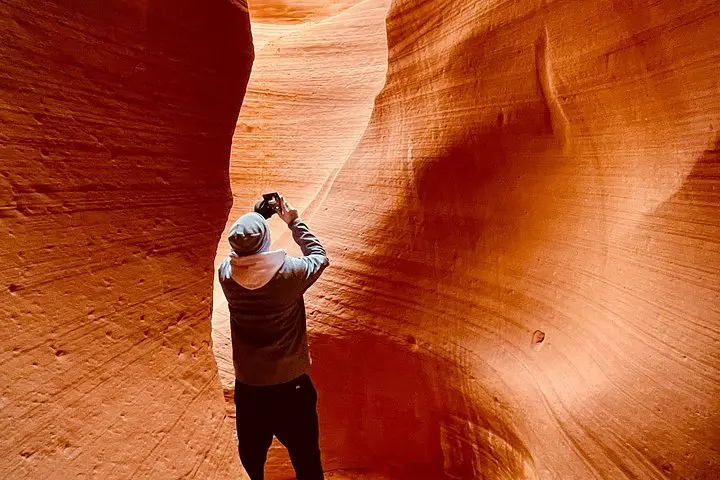
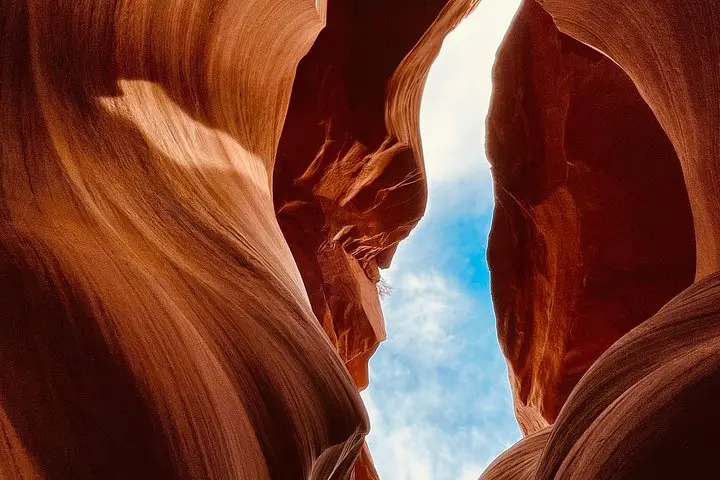
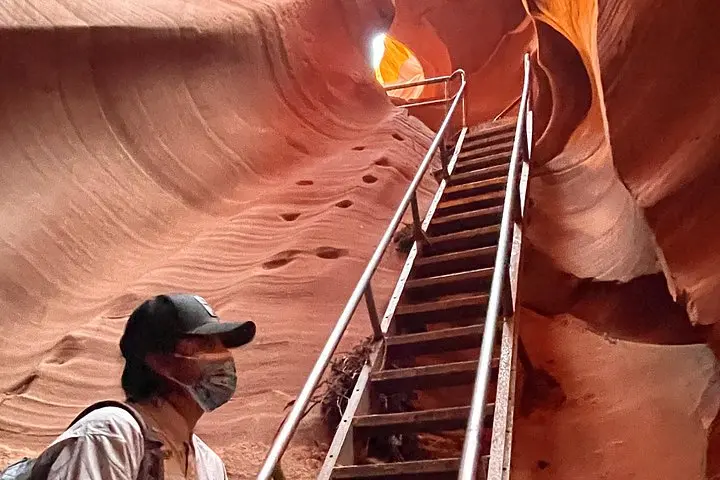
The van eases out of Flagstaff before dawn and, by midmorning, the light squeezes into a narrow throat of sandstone where time has been chiseled into ribs and waves. Lower Antelope Canyon’s corridors narrow, then open into rooms of warm orange and copper; a Navajo guide reads the light and route, directing groups through stairways and slanted ramps of clean sand.
Verified experiences and guided adventures in the surrounding area.
Operated by Detours of Arizona · Page, Arizona
The van eases out of Flagstaff before dawn and, by midmorning, the light squeezes into a narrow throat of sandstone where time has been chiseled into ribs and waves. Lower Antelope Canyon’s corridors narrow, then open into rooms of warm orange and copper; a Navajo guide reads the light and route, directing groups through stairways and slanted ramps of clean sand.
This short-day excursion pairs the slot-canyon geology of the Colorado Plateau with the dramatic river incision at Horseshoe Bend. Antelope’s sculpted walls are Navajo Nation land — geologic layers of sandstone shaped by flash floods over millions of years and by the region’s cultural history of Navajo stewardship and arts. Lake Powell and the Colorado River, visible on the route, speak to both modern water management and older riverine forces that carved this country.
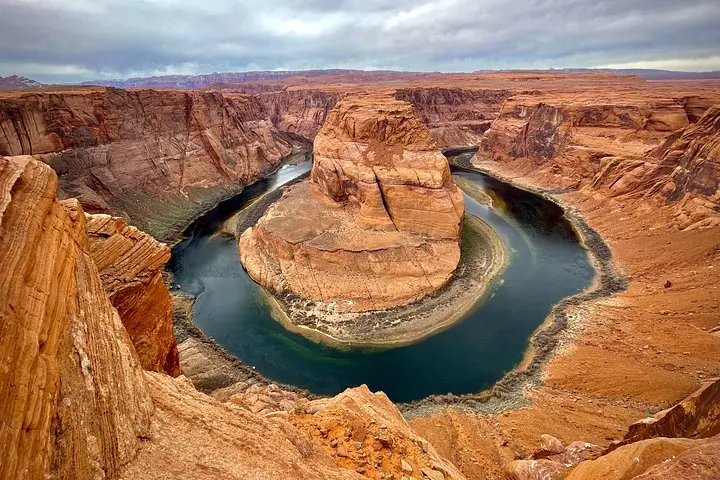
Expect tight corridors, some metal ladders, and a steady stream of photo stops. The Horseshoe Bend overlook is a one-mile round-trip walk across exposed, sandy trail with little shade to a 1,000-foot precipice that frames the green ribbon of the Colorado River.
Practical guide: tours typically pick up early in Flagstaff and return about 10 hours later; bring sun protection, sturdy closed-toe shoes, and a small daypack. Lower Antelope restricts backpacks, tripods and service animals — mobility, balance and sure footing are required. Weather can close slot canyons on short notice; flexible planning and proper hydration make this full-day circuit both accessible and memorable.
The overlook is about a 1-mile round-trip walk on an exposed dirt path with limited shade and some loose sand.
No — Lower Antelope Canyon typically prohibits backpacks, tripods and hiking poles; bring only essentials in pockets or a very small bag if allowed.
Minimum age is usually 3; the canyon requires agility and climbing metal stairs, so it’s not recommended for guests with serious mobility or spinal issues.
Slot canyons can close due to flash-flood risk; operators may offer Upper Antelope as an alternative for an additional fee or provide options if closures occur.
Detours of Arizona operates guided outdoor trips and adventures with an emphasis on safety, stewardship, and memorable experiences.
The van eases out of Flagstaff before dawn and, by midmorning, the light squeezes into a narrow throat of sandstone where time has been chiseled into ribs and waves. Lower Antelope Canyon’s corridors narrow, then open into rooms of warm orange and copper; a Navajo guide reads the light and route, directing groups through stairways and slanted ramps of clean sand.
The van eases out of Flagstaff before dawn and, by midmorning, the light squeezes into a narrow throat of sandstone where time has been chiseled into ribs and waves. Lower Antelope Canyon’s corridors narrow, then open into rooms of warm orange and copper; a Navajo guide reads the light and route, directing groups through stairways and slanted ramps of clean sand.
This short-day excursion pairs the slot-canyon geology of the Colorado Plateau with the dramatic river incision at Horseshoe Bend. Antelope’s sculpted walls are Navajo Nation land — geologic layers of sandstone shaped by flash floods over millions of years and by the region’s cultural history of Navajo stewardship and arts. Lake Powell and the Colorado River, visible on the route, speak to both modern water management and older riverine forces that carved this country.
Expect tight corridors, some metal ladders, and a steady stream of photo stops. The Horseshoe Bend overlook is a one-mile round-trip walk across exposed, sandy trail with little shade to a 1,000-foot precipice that frames the green ribbon of the Colorado River.
Practical guide: tours typically pick up early in Flagstaff and return about 10 hours later; bring sun protection, sturdy closed-toe shoes, and a small daypack. Lower Antelope restricts backpacks, tripods and service animals — mobility, balance and sure footing are required. Weather can close slot canyons on short notice; flexible planning and proper hydration make this full-day circuit both accessible and memorable.