THE ADVENTURE COLLECTIVE® · Independent discovery and booking for outdoor travel

Explore three of northern Arizona’s most photographed landmarks in one half‑day tour. From slot canyon shafts of light to the river’s dramatic bend and Glen Canyon’s panoramic overlook, this guided trip blends geology, Navajo cultural context, and practical access.
Explore three of northern Arizona’s most photographed landmarks in one half‑day tour. From slot canyon shafts of light to the river’s dramatic bend and Glen Canyon’s panoramic overlook, this guided trip blends geology, Navajo cultural context, and practical access.
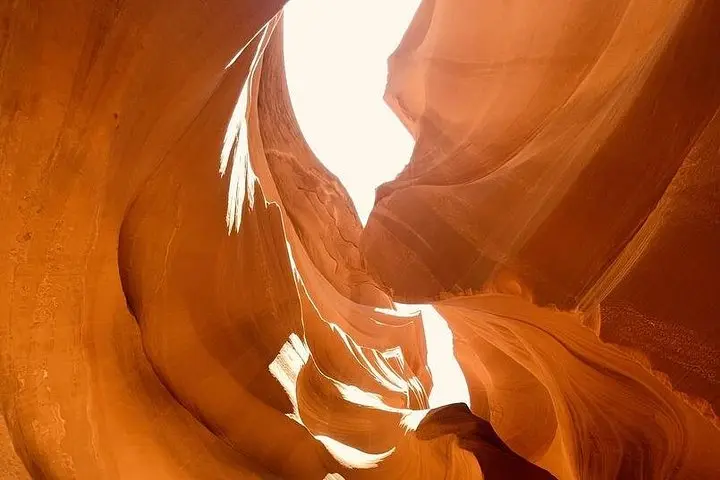
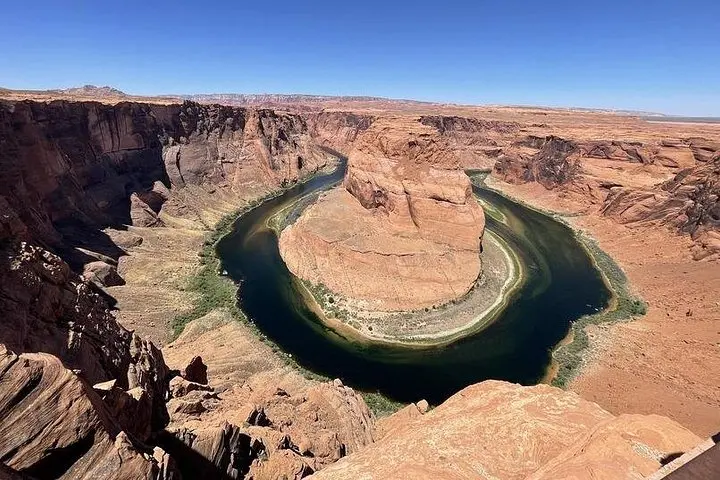
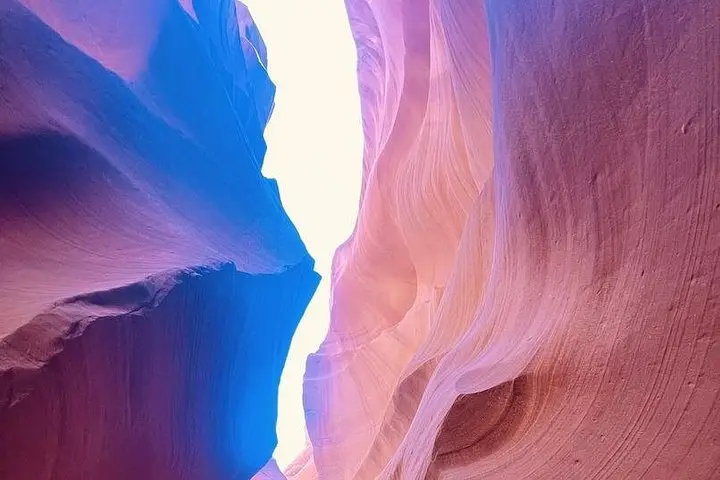
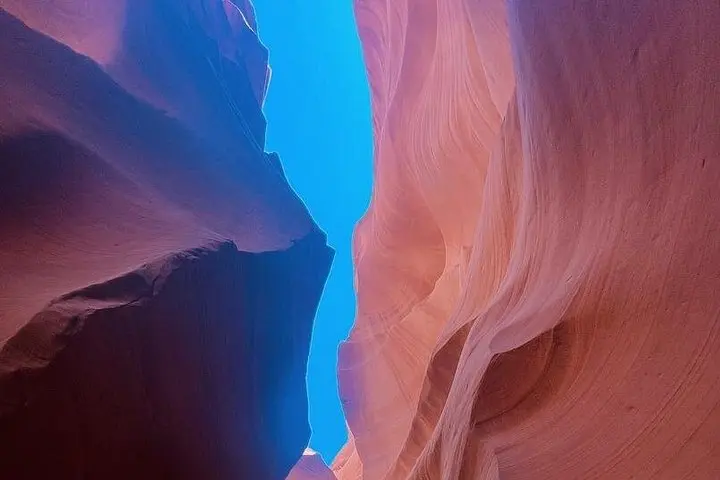
You step out of the air‑conditioned van into a high, dry light that makes the sandstone glow—your Navajo guide waiting with a practiced smile and local stories. The day moves like a sequence of landscapes: the narrow, sculpted throat of Upper Antelope Canyon where light beams cut through dust; the vertigo of Horseshoe Bend where the Colorado River dares you to step closer to the rim; and the broad, engineered sweep of Glen Canyon Dam watching over Lake Powell.
Verified experiences and guided adventures in the surrounding area.
Operated by SV Tour · Page, Arizona
You step out of the air‑conditioned van into a high, dry light that makes the sandstone glow—your Navajo guide waiting with a practiced smile and local stories. The day moves like a sequence of landscapes: the narrow, sculpted throat of Upper Antelope Canyon where light beams cut through dust; the vertigo of Horseshoe Bend where the Colorado River dares you to step closer to the rim; and the broad, engineered sweep of Glen Canyon Dam watching over Lake Powell.
Geology here is immediate: wind and seasonal flash floods carved Antelope’s sinuous walls out of Permian Navajo sandstone, producing the slot canyons photographers chase. Horseshoe Bend is an incised meander of the Colorado River, its cliffs revealing layers of uplift and incision. Culturally, tours operate on Navajo Nation land—local guides share oral history, explain traditional place names, and control access to protect sacred sites.
Practical guidance: morning pickups from Page minimize heat and crowding; bring at least 1–2 liters of water and sun protection. Antelope Canyon walks are short but require negotiating uneven sandy steps; follow your guide and stay within permitted areas. Photography is a central draw—expect rules about tripods on standard group tours and consider a dedicated photo tour if you need extra time. Weather matters: flash floods can close canyons and summer heat can be intense, so plan accordingly.
This route packs iconic Southwestern scenery into a half‑day loop—efficient for travelers based in Page and rich with geological and cultural context if you listen to the local voices guiding the way.
Yes—this tour includes Antelope Canyon and Horseshoe Bend entrance fees and applicable taxes as part of the booking.
Standard group tours often restrict tripods; if you need time and tripod access, book a dedicated photography or private tour in advance.
Walks are short: expect 30–90 minutes in Antelope Canyon (guided), ~20–30 minutes at Horseshoe Bend viewpoint, and a brief stop at the Glen Canyon overlook.
Antelope Canyon involves steps and narrow sections that may not be wheelchair accessible; Horseshoe Bend viewpoint requires walking on uneven trail; contact the operator for specific accessibility arrangements.
SV Tour operates guided outdoor trips and adventures with an emphasis on safety, stewardship, and memorable experiences.
You step out of the air‑conditioned van into a high, dry light that makes the sandstone glow—your Navajo guide waiting with a practiced smile and local stories. The day moves like a sequence of landscapes: the narrow, sculpted throat of Upper Antelope Canyon where light beams cut through dust; the vertigo of Horseshoe Bend where the Colorado River dares you to step closer to the rim; and the broad, engineered sweep of Glen Canyon Dam watching over Lake Powell.
You step out of the air‑conditioned van into a high, dry light that makes the sandstone glow—your Navajo guide waiting with a practiced smile and local stories. The day moves like a sequence of landscapes: the narrow, sculpted throat of Upper Antelope Canyon where light beams cut through dust; the vertigo of Horseshoe Bend where the Colorado River dares you to step closer to the rim; and the broad, engineered sweep of Glen Canyon Dam watching over Lake Powell.
Geology here is immediate: wind and seasonal flash floods carved Antelope’s sinuous walls out of Permian Navajo sandstone, producing the slot canyons photographers chase. Horseshoe Bend is an incised meander of the Colorado River, its cliffs revealing layers of uplift and incision. Culturally, tours operate on Navajo Nation land—local guides share oral history, explain traditional place names, and control access to protect sacred sites.
Practical guidance: morning pickups from Page minimize heat and crowding; bring at least 1–2 liters of water and sun protection. Antelope Canyon walks are short but require negotiating uneven sandy steps; follow your guide and stay within permitted areas. Photography is a central draw—expect rules about tripods on standard group tours and consider a dedicated photo tour if you need extra time. Weather matters: flash floods can close canyons and summer heat can be intense, so plan accordingly.
This route packs iconic Southwestern scenery into a half‑day loop—efficient for travelers based in Page and rich with geological and cultural context if you listen to the local voices guiding the way.