THE ADVENTURE COLLECTIVE® · Independent discovery and booking for outdoor travel

Skip the packed land tours and approach Antelope Canyon from the water. This two-hour open-bow photo boating excursion from Wahweap puts you close to sandstone walls, reflections, and sweeping Lake Powell views with a USCG-licensed captain guiding your shots.
Skip the packed land tours and approach Antelope Canyon from the water. This two-hour open-bow photo boating excursion from Wahweap puts you close to sandstone walls, reflections, and sweeping Lake Powell views with a USCG-licensed captain guiding your shots.
You step off the launch ramp at Wahweap with wind carrying grit and the low, dry smell of sandstone. The open-bow boat answers beneath you, a small, fast craft that slips away from the marina as cliffs peel open around Wahweap Bay. Walls rise in bands of rust and cream; shafts of light find narrow ledges and the captain eases into a canyon throat where the water reflects a slice of sky like a mirror.
Verified experiences and guided adventures in the surrounding area.
Operated by Lake Powell Experience LPX · Page, Arizona
You step off the launch ramp at Wahweap with wind carrying grit and the low, dry smell of sandstone. The open-bow boat answers beneath you, a small, fast craft that slips away from the marina as cliffs peel open around Wahweap Bay. Walls rise in bands of rust and cream; shafts of light find narrow ledges and the captain eases into a canyon throat where the water reflects a slice of sky like a mirror.
This is not the crowds-and-rope spectacle you picture from the classic Antelope Canyon photos. The smaller boats used on this two-hour excursion let you approach the rock faces and compose shots from the waterline, catching textures and reflections few see from land. The captains are U.S. Coast Guard licensed and, in addition to piloting, offer regional context — from John Wesley Powell's 1869 river expedition to the mid-20th century construction of Glen Canyon Dam, which reshaped the Colorado River and filled the reservoir we now call Lake Powell.
Geologically, the canyon and surrounding mesas are Navajo Sandstone: wind-deposited dunes lithified and then sliced by water and time. Where flash floods once scoured narrow slot canyons, rising reservoir waters have washed their lower reaches into boatable corridors. The result is a hybrid landscape: sheer sandstone walls meeting deep, still water, with distant buttes like Tower Butte and Navajo Mountain punctuating the horizon.
Culturally, this stretch of water is on the margin of Navajo Nation and Glen Canyon National Recreation Area, so guests are asked to be respectful of tribal lands and to follow captain guidance. Practically, the experience is approachable — the tour covers variable mileage depending on water levels, typically several miles of canyon corridors and shoreline vistas. You'll be on the water for two hours with short walks only at the dock; moderate mobility is recommended for boarding and disembarking.
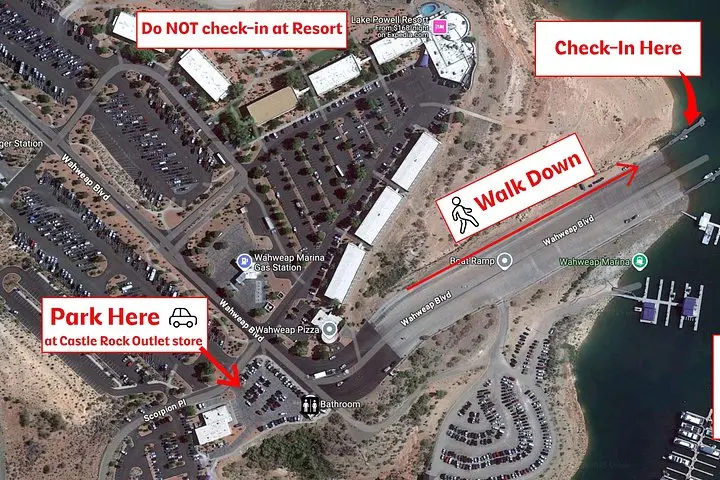
Bring sun protection, layered clothing for desert wind, and a compact camera setup: a polarizing filter reduces glare, a short monopod steadies low-light shoots, and a fast lens captures rock detail. In summer, the captains often invite a quick swim from a calm cove; life jackets and safety briefings follow U.S. Coast Guard standards. Parking and check-in are at Wahweap Launch Ramp, 100 Wahweap Blvd, Page, Arizona; note the Glen Canyon National Recreation Area entrance fee or your America the Beautiful pass.
Photographers and casual travelers alike will find this trip rewarding — fewer people, intimate light, and a marine perspective on iconic desert geology. Prepare for heat, bright reflections, and the possibility of changing itineraries with water level or weather. Two hours on these open boats is long enough to gather memorable images and quick stories to tell when you return to shore.
Meet at the Wahweap Launch Ramp (100 Wahweap Blvd). Park on the left side of the ramp and proceed below the barricades to the left dock for check-in.
Yes. Glen Canyon National Recreation Area requires a $30 vehicle fee at the entrance unless you have an America the Beautiful pass.
Compact tripods and short monopods are recommended; large tripods are impractical on an open-bow boat and may be restricted.
Yes. Boats comply with U.S. Coast Guard regulations and provide life jackets and a safety briefing before departure.
Infants must sit on an adult's lap. The excursion is not recommended for travelers with serious cardiovascular issues; consult your physician if unsure.
Full refunds are available if you cancel at least 24 hours prior; tours may be canceled due to weather or insufficient participants.
Lake Powell Experience LPX operates guided outdoor trips and adventures with an emphasis on safety, stewardship, and memorable experiences.

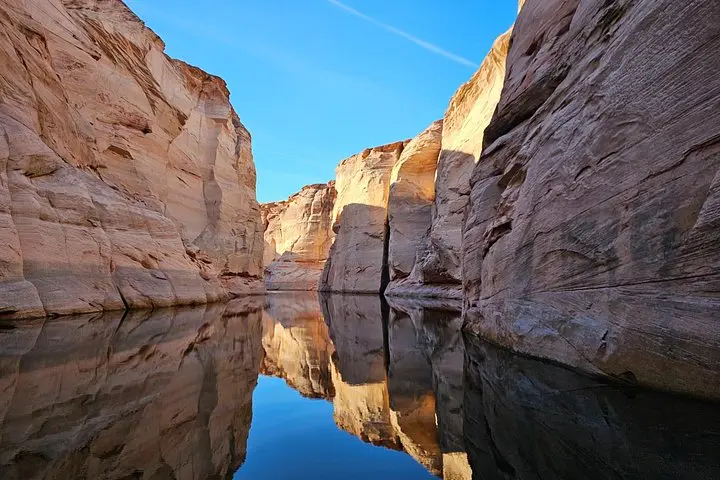
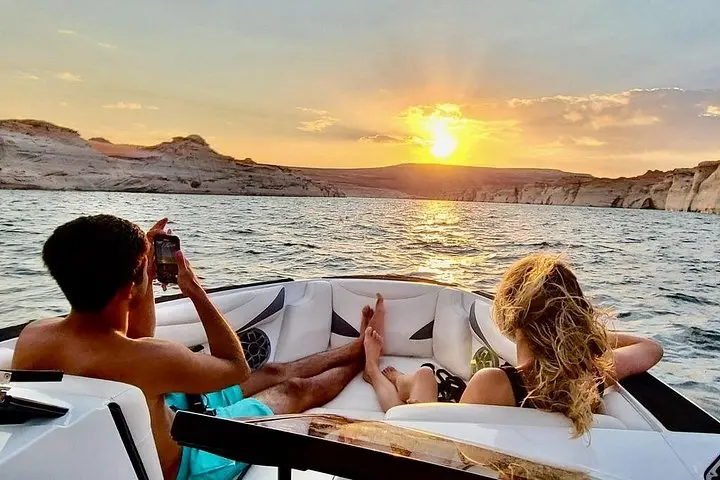
You step off the launch ramp at Wahweap with wind carrying grit and the low, dry smell of sandstone. The open-bow boat answers beneath you, a small, fast craft that slips away from the marina as cliffs peel open around Wahweap Bay. Walls rise in bands of rust and cream; shafts of light find narrow ledges and the captain eases into a canyon throat where the water reflects a slice of sky like a mirror.
You step off the launch ramp at Wahweap with wind carrying grit and the low, dry smell of sandstone. The open-bow boat answers beneath you, a small, fast craft that slips away from the marina as cliffs peel open around Wahweap Bay. Walls rise in bands of rust and cream; shafts of light find narrow ledges and the captain eases into a canyon throat where the water reflects a slice of sky like a mirror.
This is not the crowds-and-rope spectacle you picture from the classic Antelope Canyon photos. The smaller boats used on this two-hour excursion let you approach the rock faces and compose shots from the waterline, catching textures and reflections few see from land. The captains are U.S. Coast Guard licensed and, in addition to piloting, offer regional context — from John Wesley Powell's 1869 river expedition to the mid-20th century construction of Glen Canyon Dam, which reshaped the Colorado River and filled the reservoir we now call Lake Powell.
Geologically, the canyon and surrounding mesas are Navajo Sandstone: wind-deposited dunes lithified and then sliced by water and time. Where flash floods once scoured narrow slot canyons, rising reservoir waters have washed their lower reaches into boatable corridors. The result is a hybrid landscape: sheer sandstone walls meeting deep, still water, with distant buttes like Tower Butte and Navajo Mountain punctuating the horizon.
Culturally, this stretch of water is on the margin of Navajo Nation and Glen Canyon National Recreation Area, so guests are asked to be respectful of tribal lands and to follow captain guidance. Practically, the experience is approachable — the tour covers variable mileage depending on water levels, typically several miles of canyon corridors and shoreline vistas. You'll be on the water for two hours with short walks only at the dock; moderate mobility is recommended for boarding and disembarking.
Bring sun protection, layered clothing for desert wind, and a compact camera setup: a polarizing filter reduces glare, a short monopod steadies low-light shoots, and a fast lens captures rock detail. In summer, the captains often invite a quick swim from a calm cove; life jackets and safety briefings follow U.S. Coast Guard standards. Parking and check-in are at Wahweap Launch Ramp, 100 Wahweap Blvd, Page, Arizona; note the Glen Canyon National Recreation Area entrance fee or your America the Beautiful pass.
Photographers and casual travelers alike will find this trip rewarding — fewer people, intimate light, and a marine perspective on iconic desert geology. Prepare for heat, bright reflections, and the possibility of changing itineraries with water level or weather. Two hours on these open boats is long enough to gather memorable images and quick stories to tell when you return to shore.