THE ADVENTURE COLLECTIVE® · Independent discovery and booking for outdoor travel

Head into Belizean rainforest for a full‑day waterfall rappel and nine‑line zipline circuit at Antelope Falls. Expect a strenuous hike, a two‑section 200ft descent, canopy runs and a cooling swim in emerald pools.
Head into Belizean rainforest for a full‑day waterfall rappel and nine‑line zipline circuit at Antelope Falls. Expect a strenuous hike, a two‑section 200ft descent, canopy runs and a cooling swim in emerald pools.
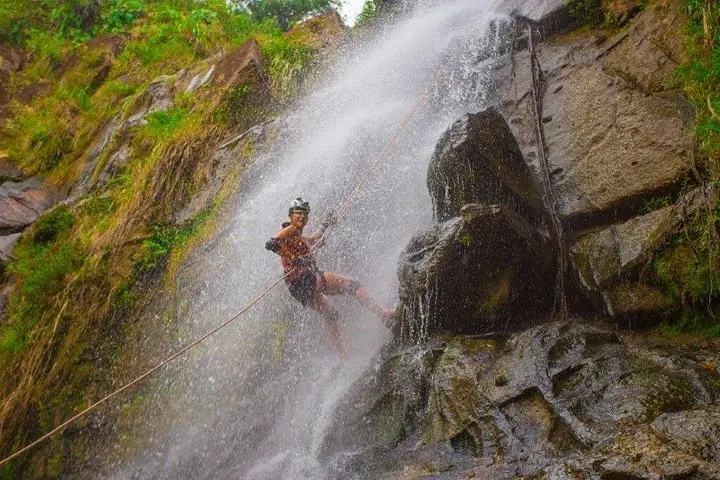
The morning begins in humid air and leaf-shake silence: guides clip harnesses, birds call from the canopy, and the rainforest seems to lean toward the sound of falling water. A narrow trail climbs through dense mahogany and bromeliads, roots tightening like the rungs of a natural ladder, and then the forest opens to the thunder of Antelope Falls. The water dares you—green pools below, a sheer 200-foot ribbon of descent in two technical sections—and the only way down is to let the rope do the work.
Verified experiences and guided adventures in the surrounding area.
Operated by Bocawina Rainforest Resort and Adventures · Hopkins, Stann Creek District
The morning begins in humid air and leaf-shake silence: guides clip harnesses, birds call from the canopy, and the rainforest seems to lean toward the sound of falling water. A narrow trail climbs through dense mahogany and bromeliads, roots tightening like the rungs of a natural ladder, and then the forest opens to the thunder of Antelope Falls. The water dares you—green pools below, a sheer 200-foot ribbon of descent in two technical sections—and the only way down is to let the rope do the work.
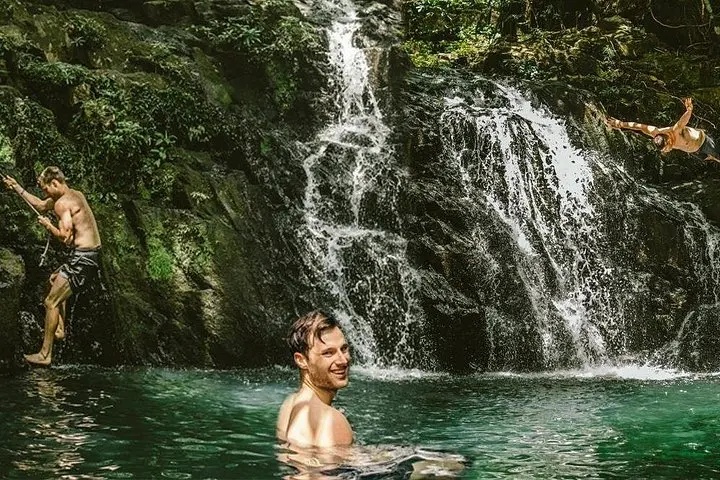
Antelope Falls sits in the lowland jungle of Belize’s Stann Creek District, where limestone underlies rich topsoil and karst formations create the steep drops that feed coastal rivers. The area’s Garifuna and Maya influences thread the local culture: guides often point out medicinal plants used for generations and tell stories about the river routes that once doubled as trade corridors. Geologically, the falls are the result of rivers cutting through Cretaceous limestone, creating plunge pools that host freshwater algae and emerald depths perfect for a cooling swim.
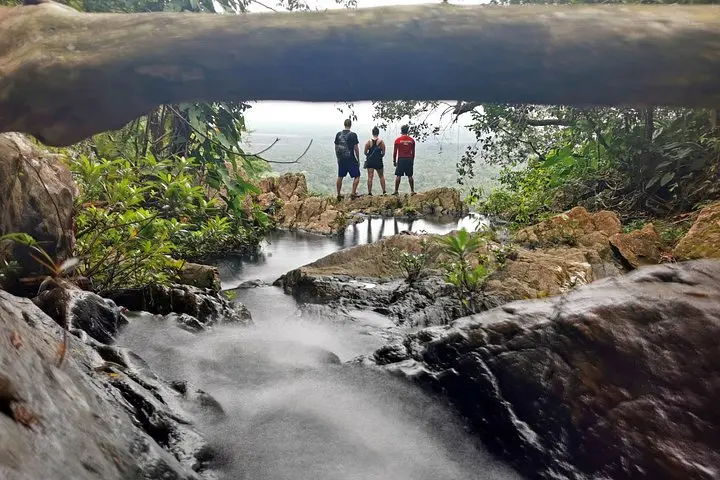
The day’s arc is practical and intense: most groups set off around 9 a.m. to avoid the sharp midday heat. Expect a 1½-hour steady hike to the top of the falls—some sections are steep and slippery, with roughly 300–500 feet of cumulative gain—followed by guided instruction before the rappel. The rappel itself is completed in two sections totaling about 200 vertical feet; participants descend under belay, feet finding small ledges, water spattering and the jungle holding close. After a swim and regroup, the experience pivots from vertical to aerial: a zipline circuit of nine runs sends you over canopy gaps and along lines that several operators say are among the longest in Belize.
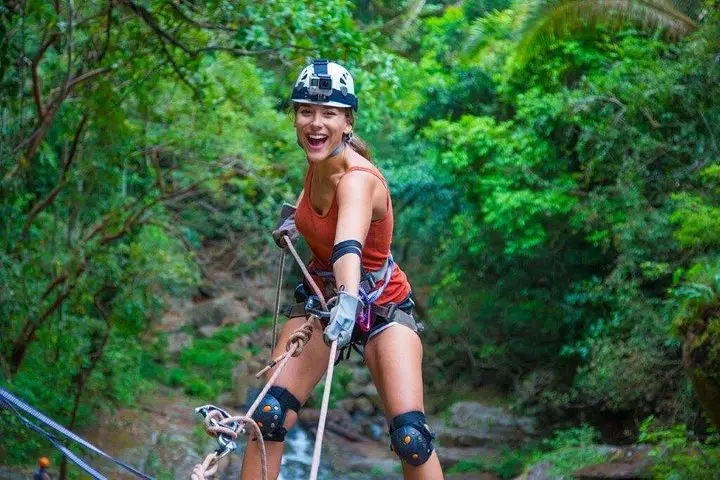
Practical realities matter here. This is a strenuous, full-day outing (roughly 6–7 hours) that requires good cardiovascular fitness and a head for heights. The operator supplies technical gear and instruction, but participants must meet a 100‑pound minimum and fit harnesses (waist max ~42 inches). Bring bug repellent, quick-dry clothing, closed-toe shoes that can get wet, and a small dry bag for essentials. Lunch is available at the onsite Wild Fig Bistro, but packing snacks and a refillable water bottle speeds recovery after exertion.
For travelers who want a concentrated taste of Belize’s inland wild—one that mixes physical challenge with leafy, sea‑facing vistas—Antelope Falls delivers. It’s a day that places you in direct conversation with moving water and wind-tossed canopy, two forces that, by the time you clip back into the bus, have already changed the way you think about the island’s interior.
Participants must weigh at least 100 pounds; there’s no published maximum but harness constraints apply (waist limit ~42 inches).
No—guides provide safety briefings and line management; some comfort with heights helps.
Yes—the tour includes time to cool off in the plunge pools; bring swimwear and a towel.
Children are not permitted; teens who meet the 100‑pound minimum may join with parental consent.
This activity is not recommended for travelers with spinal, heart, or pregnancy concerns—refer to the operator’s medical restrictions.
Lunch is available to purchase at the onsite Wild Fig Bistro; bringing snacks is recommended for energy between activities.
Bocawina Rainforest Resort and Adventures operates guided outdoor trips and adventures with an emphasis on safety, stewardship, and memorable experiences.
The morning begins in humid air and leaf-shake silence: guides clip harnesses, birds call from the canopy, and the rainforest seems to lean toward the sound of falling water. A narrow trail climbs through dense mahogany and bromeliads, roots tightening like the rungs of a natural ladder, and then the forest opens to the thunder of Antelope Falls. The water dares you—green pools below, a sheer 200-foot ribbon of descent in two technical sections—and the only way down is to let the rope do the work.
The morning begins in humid air and leaf-shake silence: guides clip harnesses, birds call from the canopy, and the rainforest seems to lean toward the sound of falling water. A narrow trail climbs through dense mahogany and bromeliads, roots tightening like the rungs of a natural ladder, and then the forest opens to the thunder of Antelope Falls. The water dares you—green pools below, a sheer 200-foot ribbon of descent in two technical sections—and the only way down is to let the rope do the work.
Antelope Falls sits in the lowland jungle of Belize’s Stann Creek District, where limestone underlies rich topsoil and karst formations create the steep drops that feed coastal rivers. The area’s Garifuna and Maya influences thread the local culture: guides often point out medicinal plants used for generations and tell stories about the river routes that once doubled as trade corridors. Geologically, the falls are the result of rivers cutting through Cretaceous limestone, creating plunge pools that host freshwater algae and emerald depths perfect for a cooling swim.
The day’s arc is practical and intense: most groups set off around 9 a.m. to avoid the sharp midday heat. Expect a 1½-hour steady hike to the top of the falls—some sections are steep and slippery, with roughly 300–500 feet of cumulative gain—followed by guided instruction before the rappel. The rappel itself is completed in two sections totaling about 200 vertical feet; participants descend under belay, feet finding small ledges, water spattering and the jungle holding close. After a swim and regroup, the experience pivots from vertical to aerial: a zipline circuit of nine runs sends you over canopy gaps and along lines that several operators say are among the longest in Belize.
Practical realities matter here. This is a strenuous, full-day outing (roughly 6–7 hours) that requires good cardiovascular fitness and a head for heights. The operator supplies technical gear and instruction, but participants must meet a 100‑pound minimum and fit harnesses (waist max ~42 inches). Bring bug repellent, quick-dry clothing, closed-toe shoes that can get wet, and a small dry bag for essentials. Lunch is available at the onsite Wild Fig Bistro, but packing snacks and a refillable water bottle speeds recovery after exertion.
For travelers who want a concentrated taste of Belize’s inland wild—one that mixes physical challenge with leafy, sea‑facing vistas—Antelope Falls delivers. It’s a day that places you in direct conversation with moving water and wind-tossed canopy, two forces that, by the time you clip back into the bus, have already changed the way you think about the island’s interior.