THE ADVENTURE COLLECTIVE® · Independent discovery and booking for outdoor travel

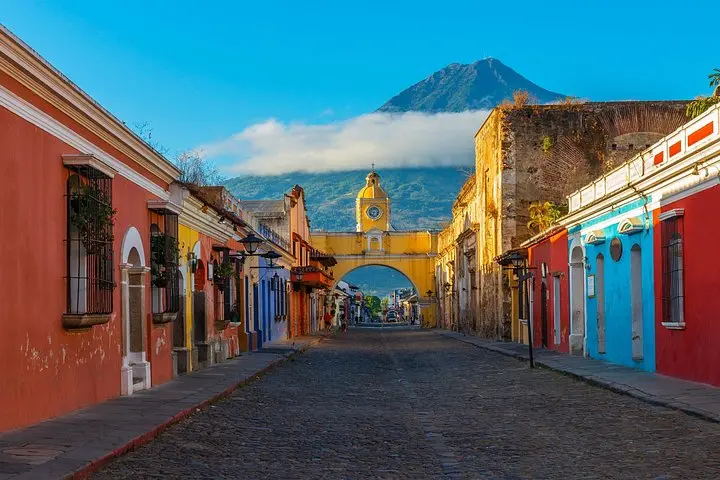
Walk Antigua’s cobbled streets and stand beneath colonial arches with Volcán de Agua in the distance. This full‑day tour from San Salvador pairs approachable walking with concentrated history, volcanic geology and local culture.
Walk Antigua’s cobbled streets and stand beneath colonial arches with Volcán de Agua in the distance. This full‑day tour from San Salvador pairs approachable walking with concentrated history, volcanic geology and local culture.
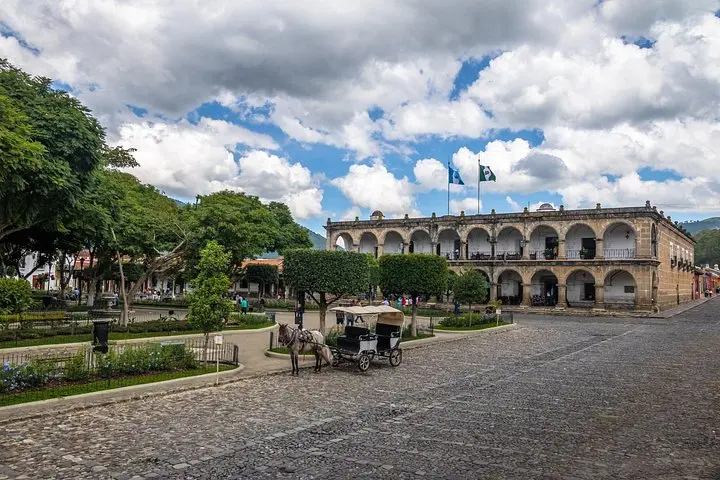
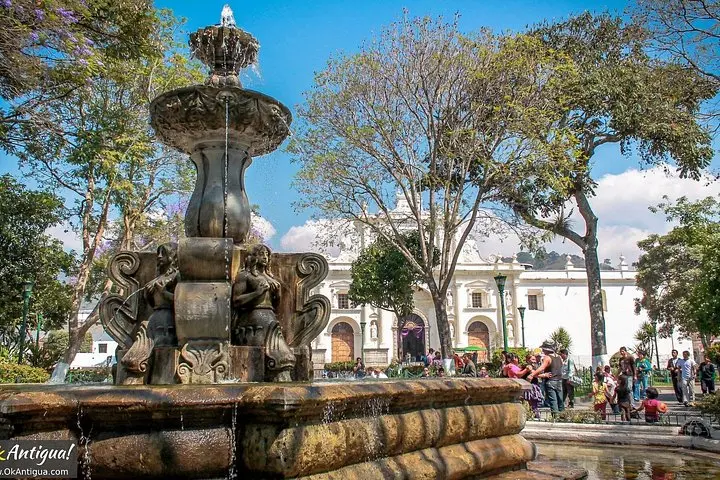
You step off the air‑conditioned van into a sunlit plaza framed by crumbling stone facades and the distant profiles of Volcán de Agua and Acatenango. Cobblestones click underfoot; a breeze carries the scent of roasted coffee and baking tortillas. The city feels deliberate — a place where history moves at walking pace.
Verified experiences and guided adventures in the surrounding area.
Operated by El Salvador Positive Tours · Antigua Guatemala, Sacatepéquez
You step off the air‑conditioned van into a sunlit plaza framed by crumbling stone facades and the distant profiles of Volcán de Agua and Acatenango. Cobblestones click underfoot; a breeze carries the scent of roasted coffee and baking tortillas. The city feels deliberate — a place where history moves at walking pace.
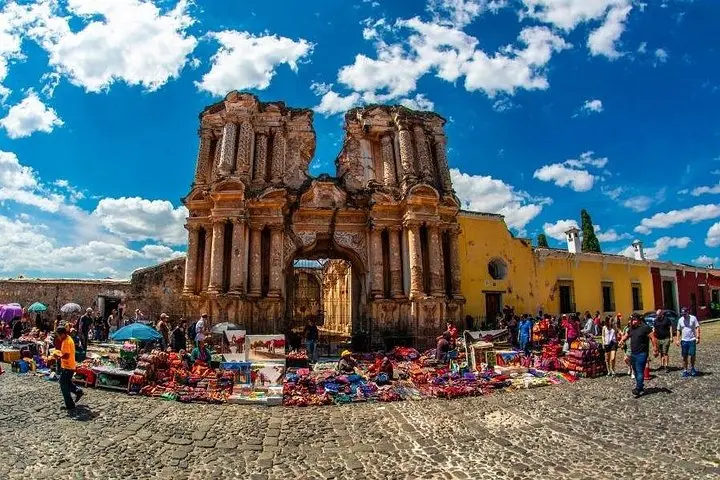
Founded in the early 16th century and declared a UNESCO World Heritage Site in 1979, Antigua was the capital of the Captaincy‑General of Guatemala until earthquakes in 1773 shifted power and left impressive ruins. The grid layout and baroque churches reveal Spanish colonial planning, while layers of volcanic ash have shaped both the soil and the city’s outlook. Local life threads through the ruins: markets of textiles, the chatter of students, and rooftop cafés with courtyard views.
Expect five to six hours of on‑foot exploration inside Antigua, plus transit time from San Salvador. Terrain is uneven—historic cobbles, stone steps and occasional steep streets—so plan for steady walking rather than hiking. Dress in breathable layers for high‑altitude sun and bring a light rain layer during the wet season. Photography opportunities are constant: cathedral arches, the Santa Catalina Arch, and volcanoes that loom like patient sentries.
Practical tips: start early to avoid crowds and midday heat, carry small bills for market purchases, and leave time for a guided museum or coffee tour to connect context to place. Whether you move quickly through churches or linger over lunch, Antigua gives a compact, walkable dose of history, geology and living culture.
Drive time is roughly 1.5–2.5 hours each way depending on traffic and border formalities; most itineraries are planned as full‑day excursions.
The tour notes wheelchair accessibility for transport, but many streets and historic sites have uneven cobbles and steps—check specific accessibility options with the operator in advance.
Meals are typically not included; the tour allows time for lunch at a local restaurant and purchases at markets, so budget accordingly.
A local guide enhances the experience by explaining colonial history and ruins; guides often point out off‑the‑beaten‑alley details visitors miss on their own.
El Salvador Positive Tours operates guided outdoor trips and adventures with an emphasis on safety, stewardship, and memorable experiences.
You step off the air‑conditioned van into a sunlit plaza framed by crumbling stone facades and the distant profiles of Volcán de Agua and Acatenango. Cobblestones click underfoot; a breeze carries the scent of roasted coffee and baking tortillas. The city feels deliberate — a place where history moves at walking pace.
You step off the air‑conditioned van into a sunlit plaza framed by crumbling stone facades and the distant profiles of Volcán de Agua and Acatenango. Cobblestones click underfoot; a breeze carries the scent of roasted coffee and baking tortillas. The city feels deliberate — a place where history moves at walking pace.
Founded in the early 16th century and declared a UNESCO World Heritage Site in 1979, Antigua was the capital of the Captaincy‑General of Guatemala until earthquakes in 1773 shifted power and left impressive ruins. The grid layout and baroque churches reveal Spanish colonial planning, while layers of volcanic ash have shaped both the soil and the city’s outlook. Local life threads through the ruins: markets of textiles, the chatter of students, and rooftop cafés with courtyard views.
Expect five to six hours of on‑foot exploration inside Antigua, plus transit time from San Salvador. Terrain is uneven—historic cobbles, stone steps and occasional steep streets—so plan for steady walking rather than hiking. Dress in breathable layers for high‑altitude sun and bring a light rain layer during the wet season. Photography opportunities are constant: cathedral arches, the Santa Catalina Arch, and volcanoes that loom like patient sentries.
Practical tips: start early to avoid crowds and midday heat, carry small bills for market purchases, and leave time for a guided museum or coffee tour to connect context to place. Whether you move quickly through churches or linger over lunch, Antigua gives a compact, walkable dose of history, geology and living culture.