THE ADVENTURE COLLECTIVE® · Independent discovery and booking for outdoor travel

A private full-day journey east of Quito to Antisana’s high páramo and Mica Lagoon—watch condors, explore short to moderate trails, and enjoy a local Morocho breakfast in Píntag. This tour balances wildlife viewing with practical guidance for high-altitude travel.
A private full-day journey east of Quito to Antisana’s high páramo and Mica Lagoon—watch condors, explore short to moderate trails, and enjoy a local Morocho breakfast in Píntag. This tour balances wildlife viewing with practical guidance for high-altitude travel.
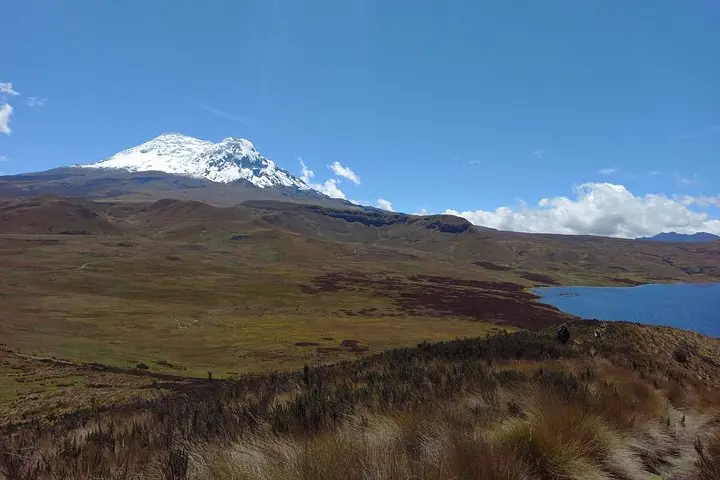
You roll out of Quito before dawn, the KIA Seltos humming as the road climbs through scrub and páramo. The air sharpens; each breath feels measured. Mica Lagoon appears like a grey mirror below the flanks of Antisana, and condors begin to wheel on thermals that test your balance of awe and altitude.
Verified experiences and guided adventures in the surrounding area.
Operated by Daniel Mucarsel · Quito, Pichincha
You roll out of Quito before dawn, the KIA Seltos humming as the road climbs through scrub and páramo. The air sharpens; each breath feels measured. Mica Lagoon appears like a grey mirror below the flanks of Antisana, and condors begin to wheel on thermals that test your balance of awe and altitude.
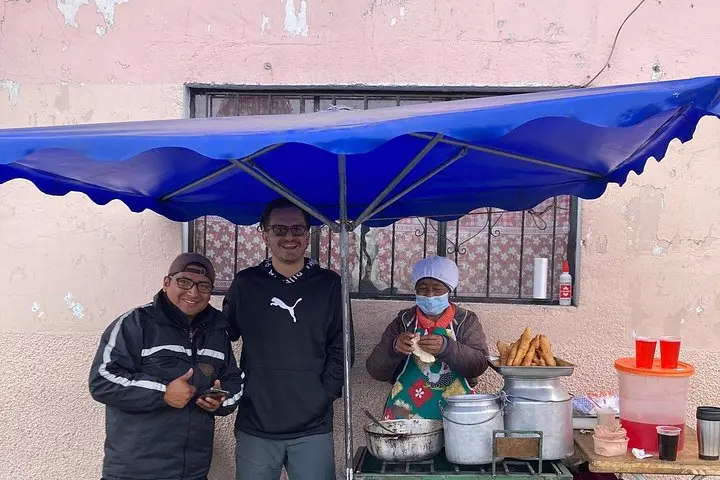
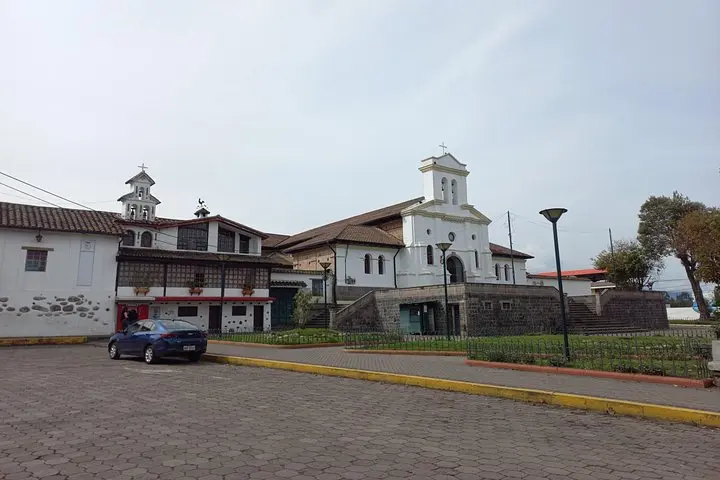
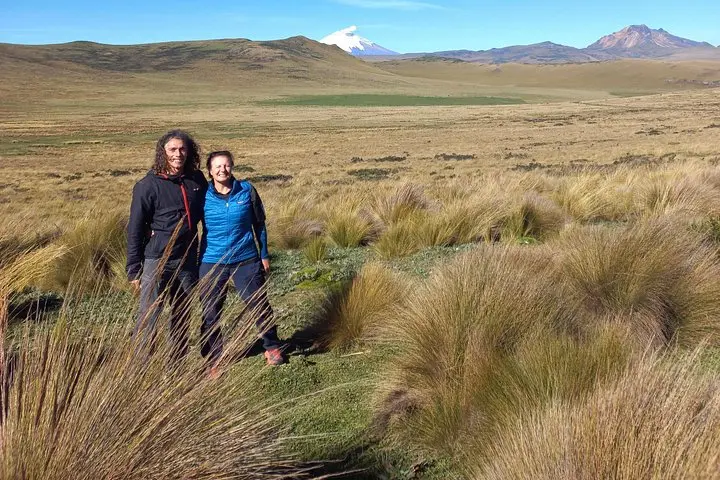
Antisana is one of Ecuador’s highest volcanoes and a vital water source for Quito. The cratered peaks and glacial scars tell a geological story of uplift and ice; the surrounding páramo—a high-altitude grassland—holds peat and streams that feed the city. Píntag, where the tour pauses for a local breakfast of morocho and cheese empanadas, also figures in early scientific accounts: Alexander von Humboldt collected observations here during his travels.
Wildlife is tangible rather than theatrical: Andean condors riding thermal lifts, shy deer at the tree line, and the rare sighting of a spectacled bear in thick vegetation. Guides bring context at an interpretation center near the lagoon, explaining biodiversity studies and the area’s conservation value.
Practically: expect a 6–8 hour day with sections at ~11,000 ft (≈3,350 m). Trails around the lagoon range from short, easy loops to steeper 2–3 hour walks—choose based on how you feel. Dress in layers, carry water and sun protection, and move deliberately to avoid altitude strain. Weather shifts quickly here; plan for wind, drizzle, and strong sun in a single afternoon. Leave no trace, keep a respectful distance from wildlife, and time your visit for clear morning light if condors are a priority.
The itinerary reaches roughly 11,000 ft (≈3,350 m). Altitude effects are common—shortness of breath and headache are possible; take it easy, hydrate, and notify the guide if symptoms worsen.
Typical sightings include Andean condors, several species of highland birds, deer, and occasional foxes. Spectacled bears are present but rare and typically shy.
The private tour includes transportation, bottled water, snacks, a local breakfast in Píntag, and parking/standard fees as noted by the operator—confirm specifics with the provider at booking.
Yes—there are three trails of varying difficulty around the lagoon. Guides can recommend a route based on your fitness and weather conditions.
Daniel Mucarsel operates guided outdoor trips and adventures with an emphasis on safety, stewardship, and memorable experiences.
You roll out of Quito before dawn, the KIA Seltos humming as the road climbs through scrub and páramo. The air sharpens; each breath feels measured. Mica Lagoon appears like a grey mirror below the flanks of Antisana, and condors begin to wheel on thermals that test your balance of awe and altitude.
You roll out of Quito before dawn, the KIA Seltos humming as the road climbs through scrub and páramo. The air sharpens; each breath feels measured. Mica Lagoon appears like a grey mirror below the flanks of Antisana, and condors begin to wheel on thermals that test your balance of awe and altitude.
Antisana is one of Ecuador’s highest volcanoes and a vital water source for Quito. The cratered peaks and glacial scars tell a geological story of uplift and ice; the surrounding páramo—a high-altitude grassland—holds peat and streams that feed the city. Píntag, where the tour pauses for a local breakfast of morocho and cheese empanadas, also figures in early scientific accounts: Alexander von Humboldt collected observations here during his travels.
Wildlife is tangible rather than theatrical: Andean condors riding thermal lifts, shy deer at the tree line, and the rare sighting of a spectacled bear in thick vegetation. Guides bring context at an interpretation center near the lagoon, explaining biodiversity studies and the area’s conservation value.
Practically: expect a 6–8 hour day with sections at ~11,000 ft (≈3,350 m). Trails around the lagoon range from short, easy loops to steeper 2–3 hour walks—choose based on how you feel. Dress in layers, carry water and sun protection, and move deliberately to avoid altitude strain. Weather shifts quickly here; plan for wind, drizzle, and strong sun in a single afternoon. Leave no trace, keep a respectful distance from wildlife, and time your visit for clear morning light if condors are a priority.